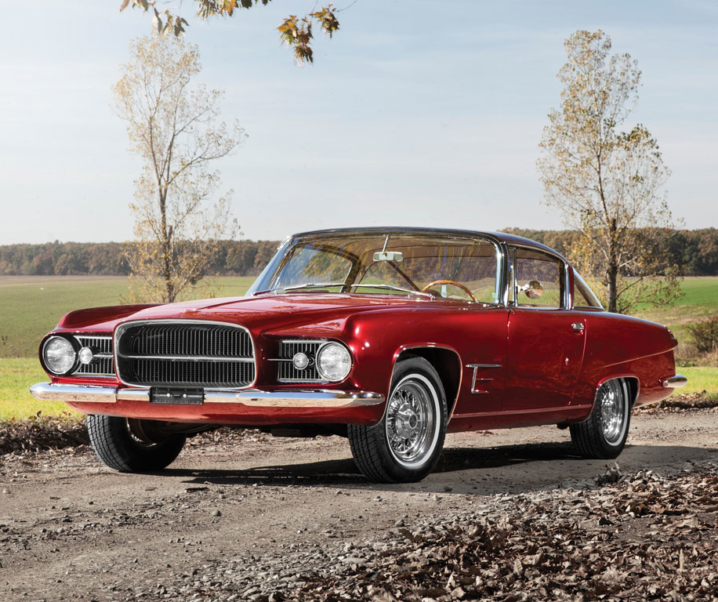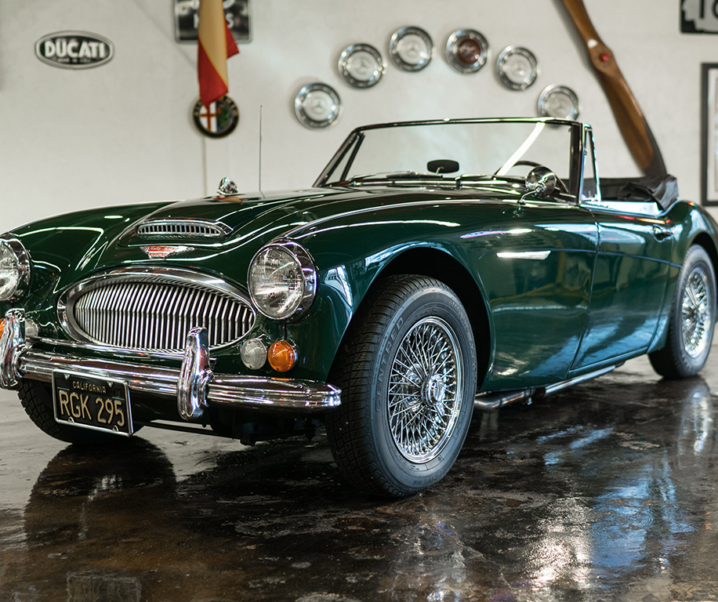
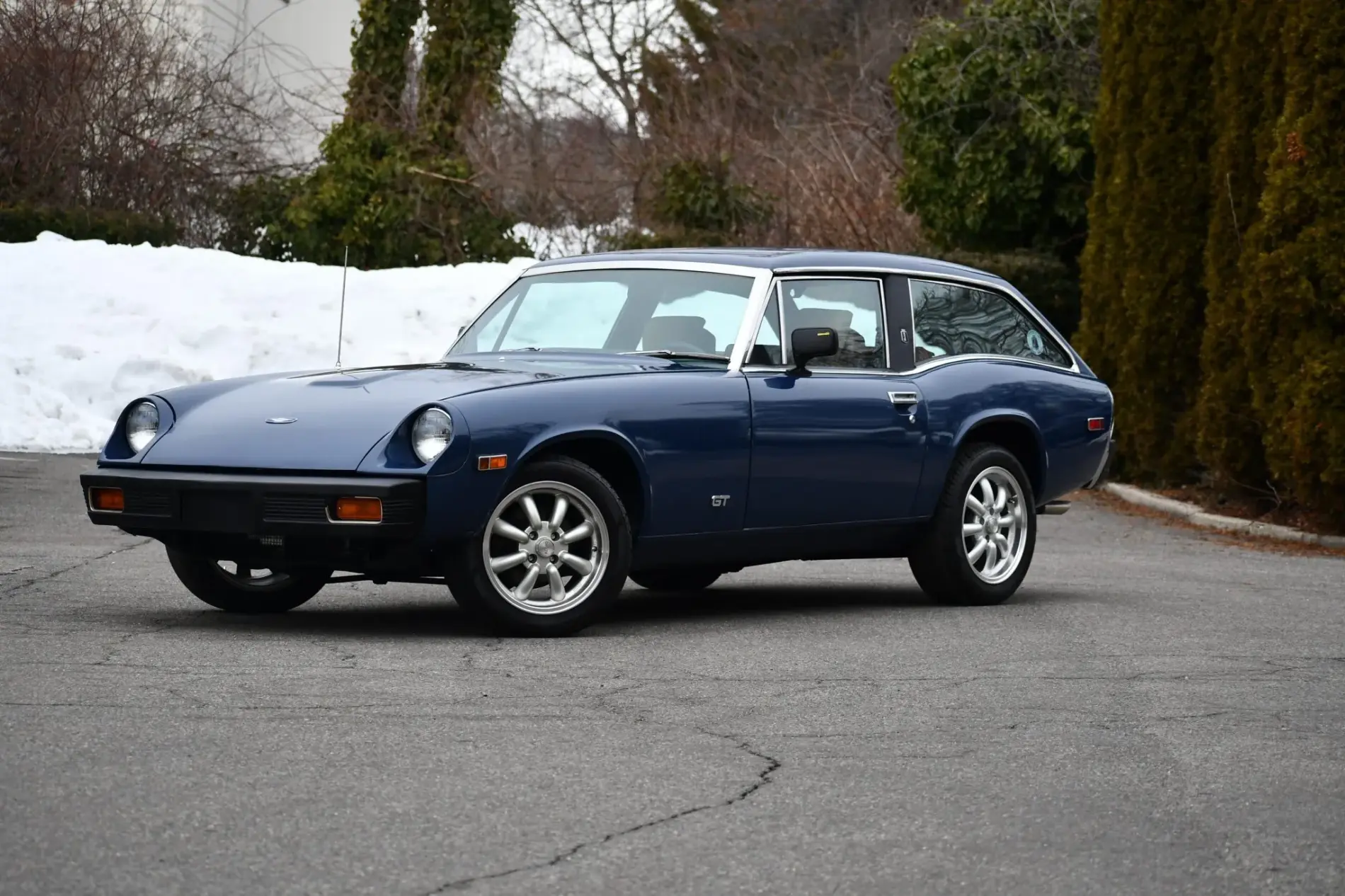
The Jensen GT was the last version of the Jensen-Healey and was a luxurious 2+2 GT with a “shooting brake” body. Only 511 of these cars were made before Jensen went into receivership making the Jensen GT a rare car, an example of Jensen at their luxurious best.
Fast Facts
- The history of Jensen Motors has roots that go back to 1922.
- Jensen became famous for their sports cars in the 1950’s and were well established with a strong reputation by the 1960’s.
- Jensen’s most famous car is the second generation Jensen Interceptor which was powered by a large American V8 engine.
- The last Jensen cars were the Jensen-Healey and the luxurious Jensen GT which was based on it.
- A Jensen GT is for sale on Bring a Trailer at time of publication.
Jensen Motors – A Potted History
The history of Jensen dates back to 1922 with the two Jensen brothers, Alan and Richard, working with a number of companies, notably commercial and car coachbuilder W J Smith & Sons Limited and the New Avon Body Company creating coachwork for the Standard Motors rolling chassis.
The brothers were involved in coachwork design for the Edgbaston Garage in Birmingham before returning to W J Smith & Sons Limited creating bodywork for small sports cars such as the Wolseley Hornet.
W J Smith was sufficiently impressed with the work of the Jensen brothers that he put their name on the coachwork they created and when he passed away in 1934 Alan and Richard were able to buy a controlling share in the company, and were then able to re-name it Jensen Motors Limited.
Jensen survived the Great Depression by making both sports cars and commercial vehicles, switching to wartime industrial production during the Second World War.
It was in the post-war 1940’s that Jensen were able to enter into luxury car production in addition to their commercial vehicles. Their Jensen PW was introduced in 1946 and in that year a designer named Eric Neale joined the company.
Neale’s first design was the Jensen Interceptor of 1950. This car was based around Austin components and was powered by a 3,993 cc (4.0 litre; 243.7 cu in) straight-six engine and transmission sourced from the Austin Sheerline. The chassis was a lengthened version of the Austin A70 but with significant modifications.
He then went on to create a number of cars including the Jensen 541 of 1955 and the C-V8 which was fitted with a Chrysler V8 engine, beginning Jensen’s penchant for big American V8 engines in beautiful British Jensen sports cars.
For their next model Jensen turned to Italian design house Carrozzeria Touring who created the second generation Jensen Interceptor: a quite gorgeous blend of Italian styling, American V8 horsepower, and restrained British design. It was, I think, the most desirable British sports car ever made.
The “Interceptor” name was somewhat evocative of the Cold War tensions that the world had entered into. The British had begun work on their interceptor fighter aircraft to counter anything the Soviet Russians could throw at Britain, and the end result was the English Electric Lightning interceptor of 1960 which proved to be the only aircraft that could intercept the American U2 spy plane at the time as well as being able to intercept anything the Soviet Union had.
So “Interceptor” was a rather catchy name for a performance car: and the James Bond movies such as “Dr. No” and “From Russia With Love” were creating an environment that likely enhanced the appeal of the name.
The second generation Jensen Interceptor, brilliant and desirable as it was, became a car that became hard to sell in the wake of the Oil Crisis of 1973 when fuel prices went through the roof and queues at gasoline stations made owning a thirsty V8 powered sports car a rather less desirable thing.
The Jensen-Healey
The management at Jensen realized by the beginning of the 1970’s that the future for the company lay not in Grand Touring cars with big thirsty American V8 engines – no matter how lovely they were – but in high technology, smaller but fascinating and fun sports cars: cars more like the ones made by Lotus, cars more like the MGB, British sports cars with a British character, but economical on fuel.
The British Motor Corporation (BMC) had ended production of one of the great British sports cars – the Austin-Healey – in 1968, and this created a bit of a vacuum that Jensen realized they could exploit.
Jensen were approached by Donald Healey the creator of the Austin-Healey sports cars with a view to doing a joint venture with Jensen, similar to what he had done previously with Austin.
What was envisaged was a modern but traditional British sports car that would be able to be successful both in Britain and Europe, and also in the United States. So the car had to be created with US design requirements firmly in mind.
The Jensen-Healey was designed to have a unitary body which was created by Hugo Poole and tweaked by William Towns. The engine was to deliver at least 140 hp and a variety of engines were experimented with including the 2.3 liter Vauxhall (i.e. British General Motors), a German Ford V6, and a BMW. But as it turned out none of these proved to be viable either because of an inability to make at least 140 hp or because of supply issues.
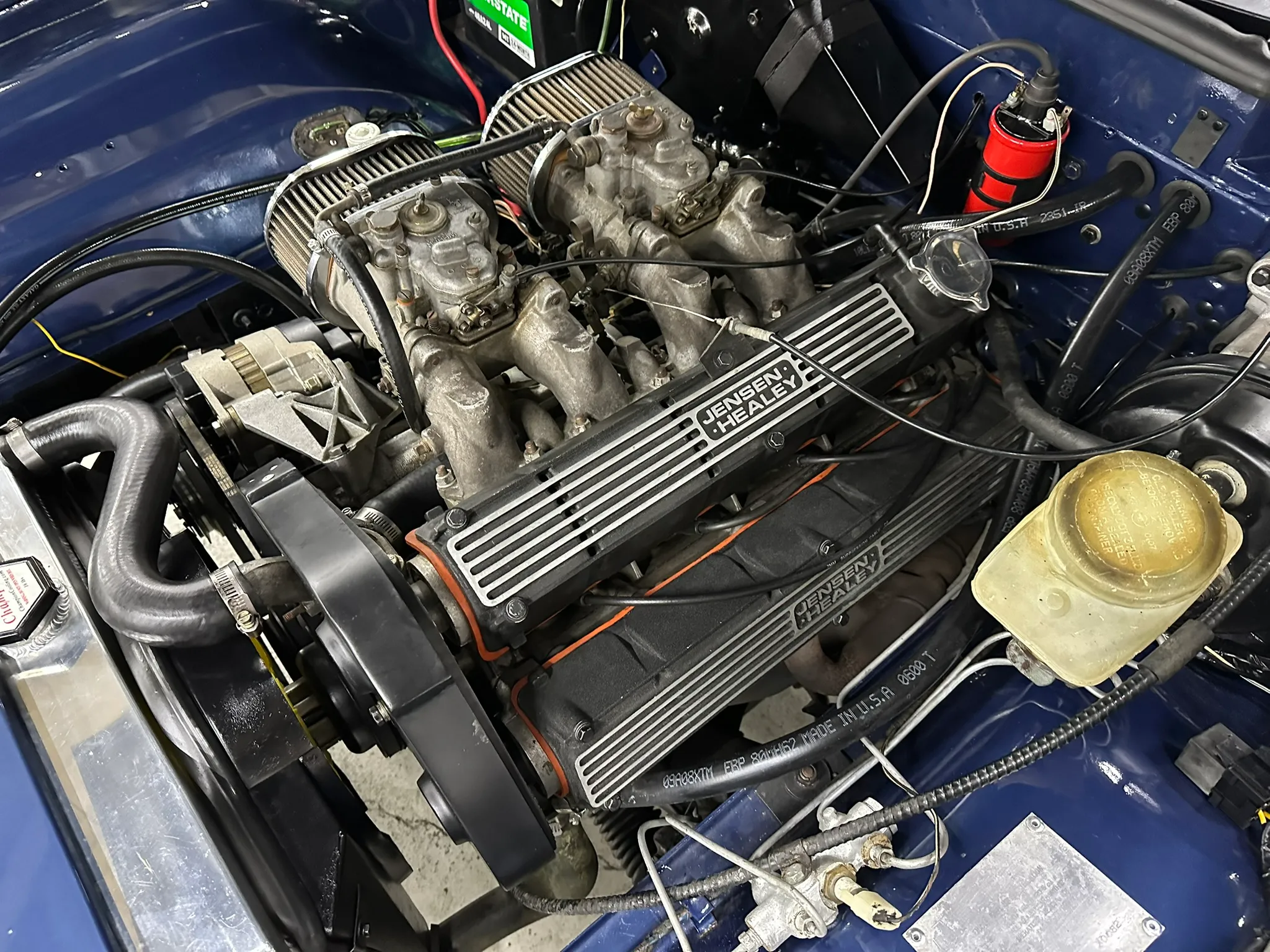
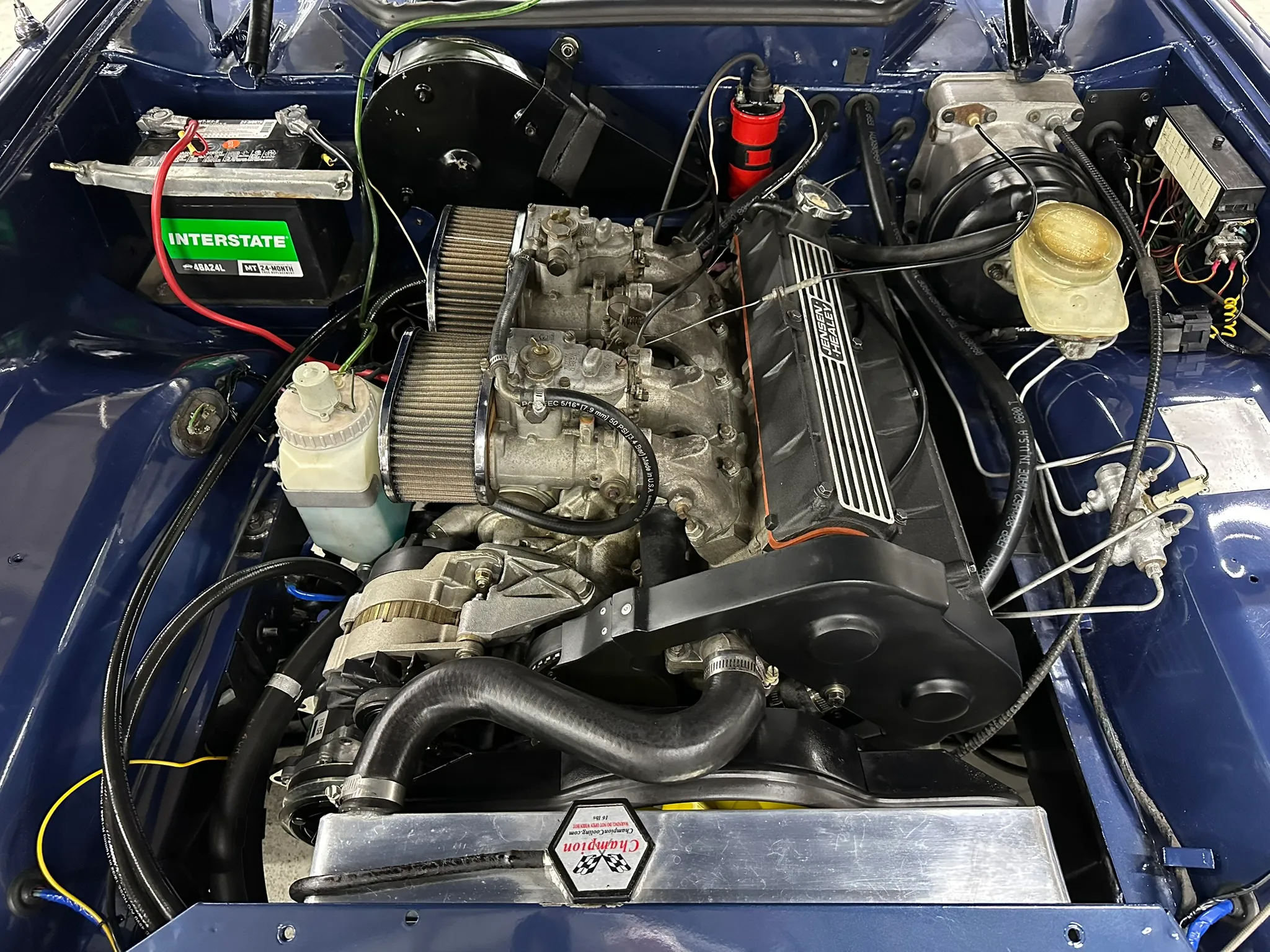
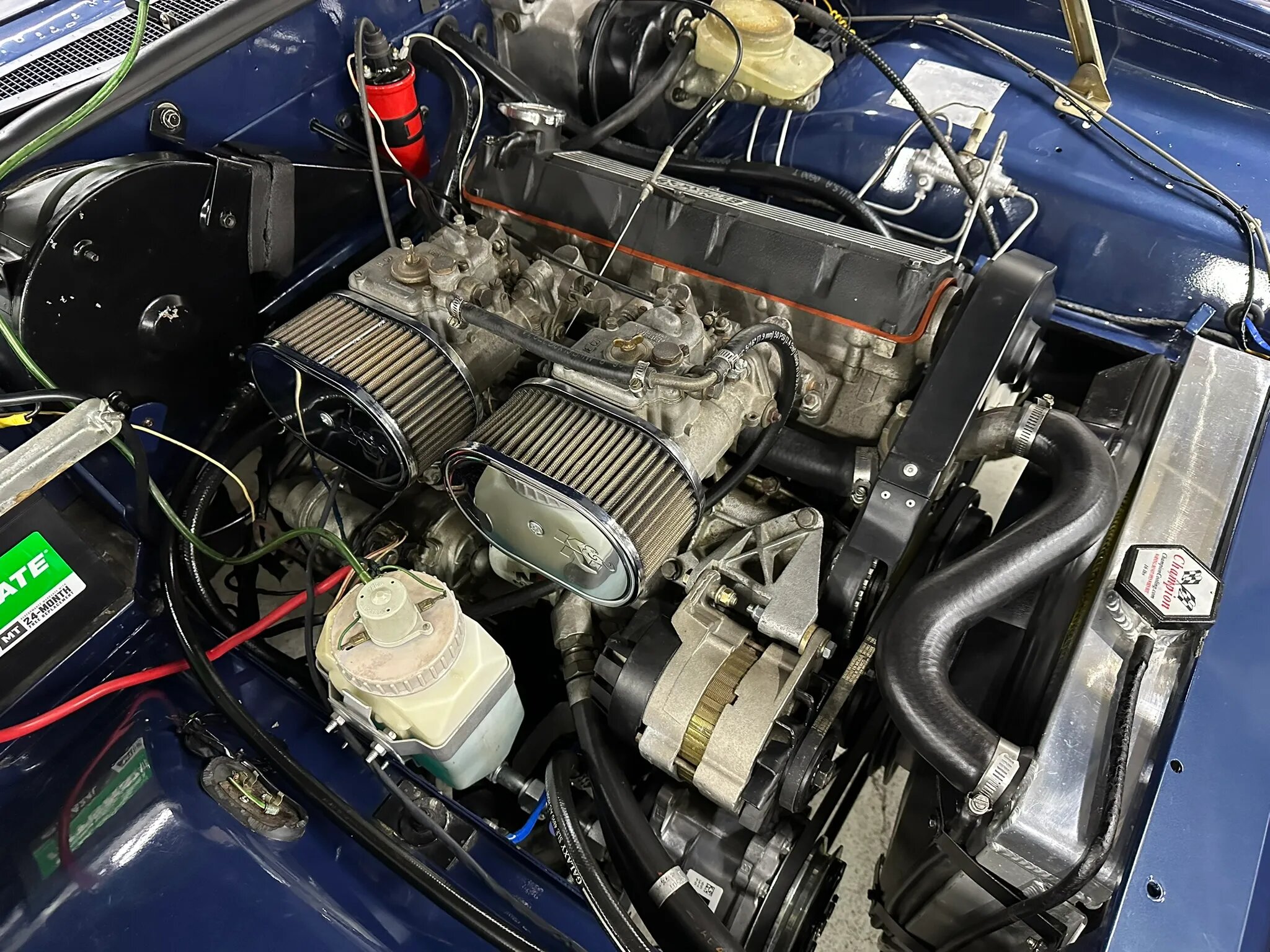
Eventually the engine settled on was the Lotus 907 DOHC four cylinder, 16 valve all alloy unit which produced 144 bhp. This engine gave the new Jensen-Healey a top speed of 119 mph, and a standing to 60 mph time of 7.8 seconds.
This engine was at first fitted to a Chrysler four speed manual that was also used on the Sunbeam Rapier. This was changed to a five speed Getrag gearbox on the Mark 2 versions of the Jensen-Healey.
This Getrag gearbox was made to be a sporting close-ratio transmission and so the fifth gear was a true 1:1 ratio and not an overdrive as is more common for five speed transmissions.
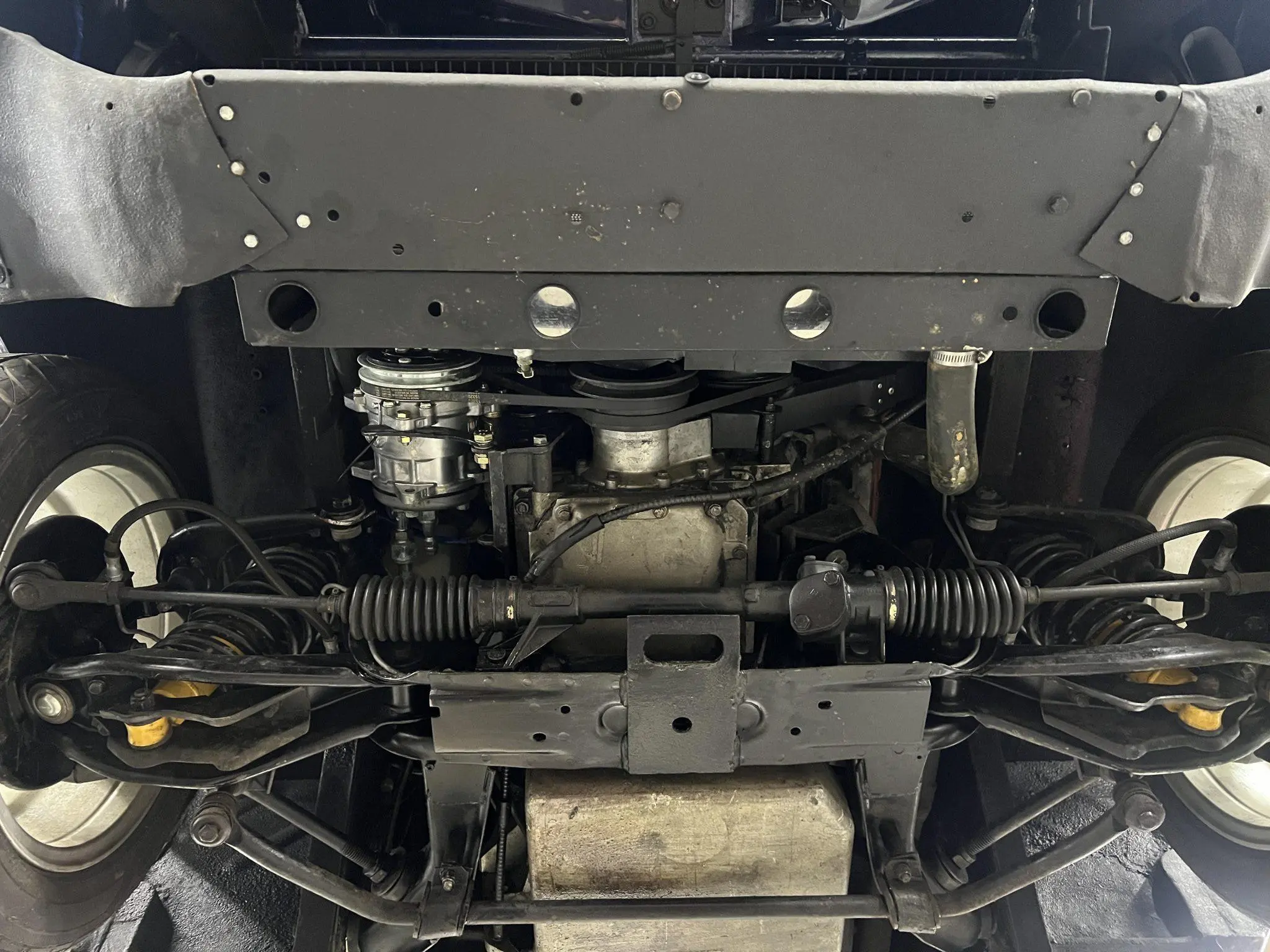
The suspension was well thought out with double A-arms with coil springs and telescopic shock absorbers at the front and trailing arms with coil springs at the rear. Brakes were Girling Type 14 caliper equipped discs at the front and drums at the rear.
The suspension and steering were created using parts from the then current Vauxhall Firenza.
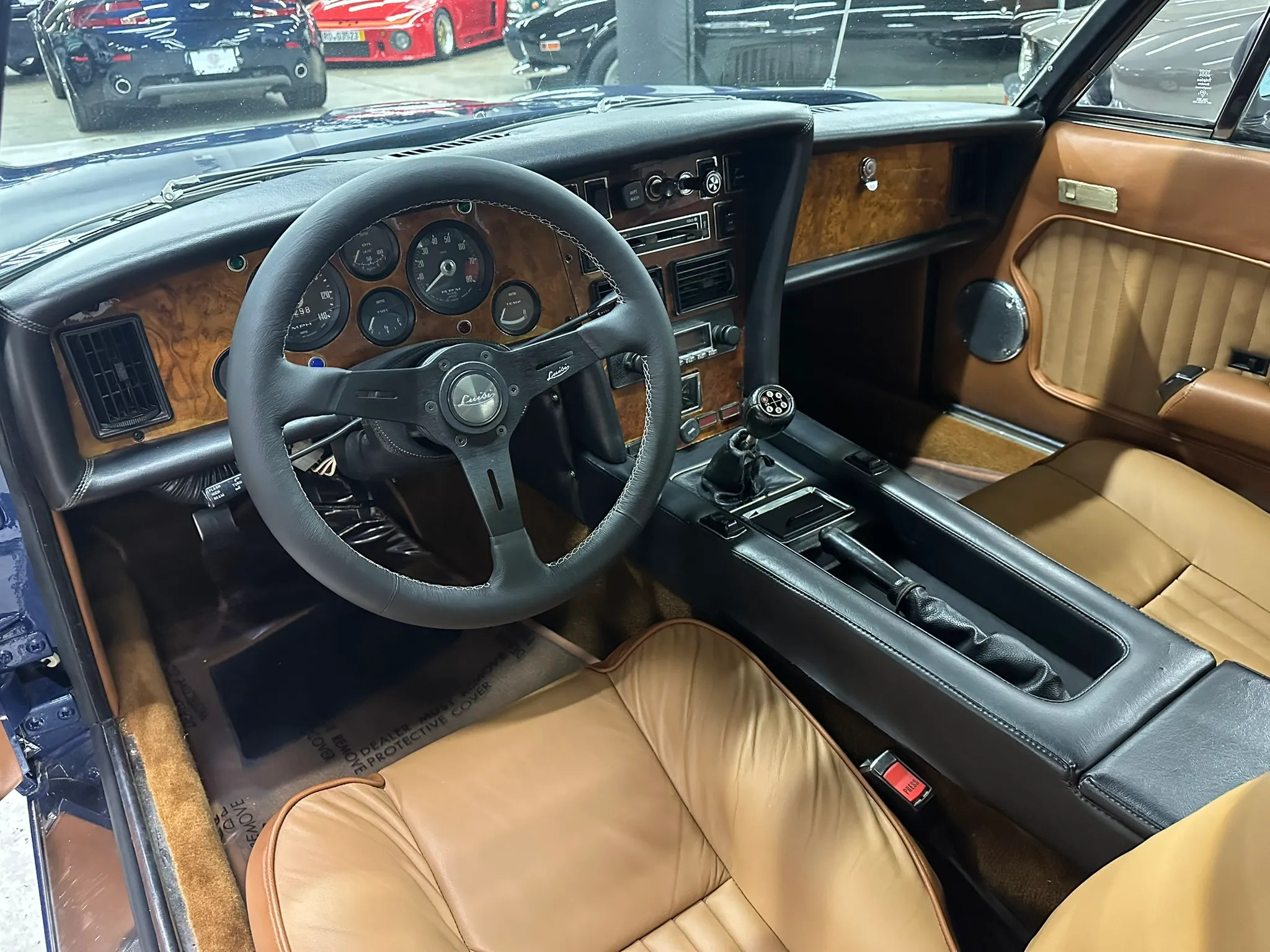
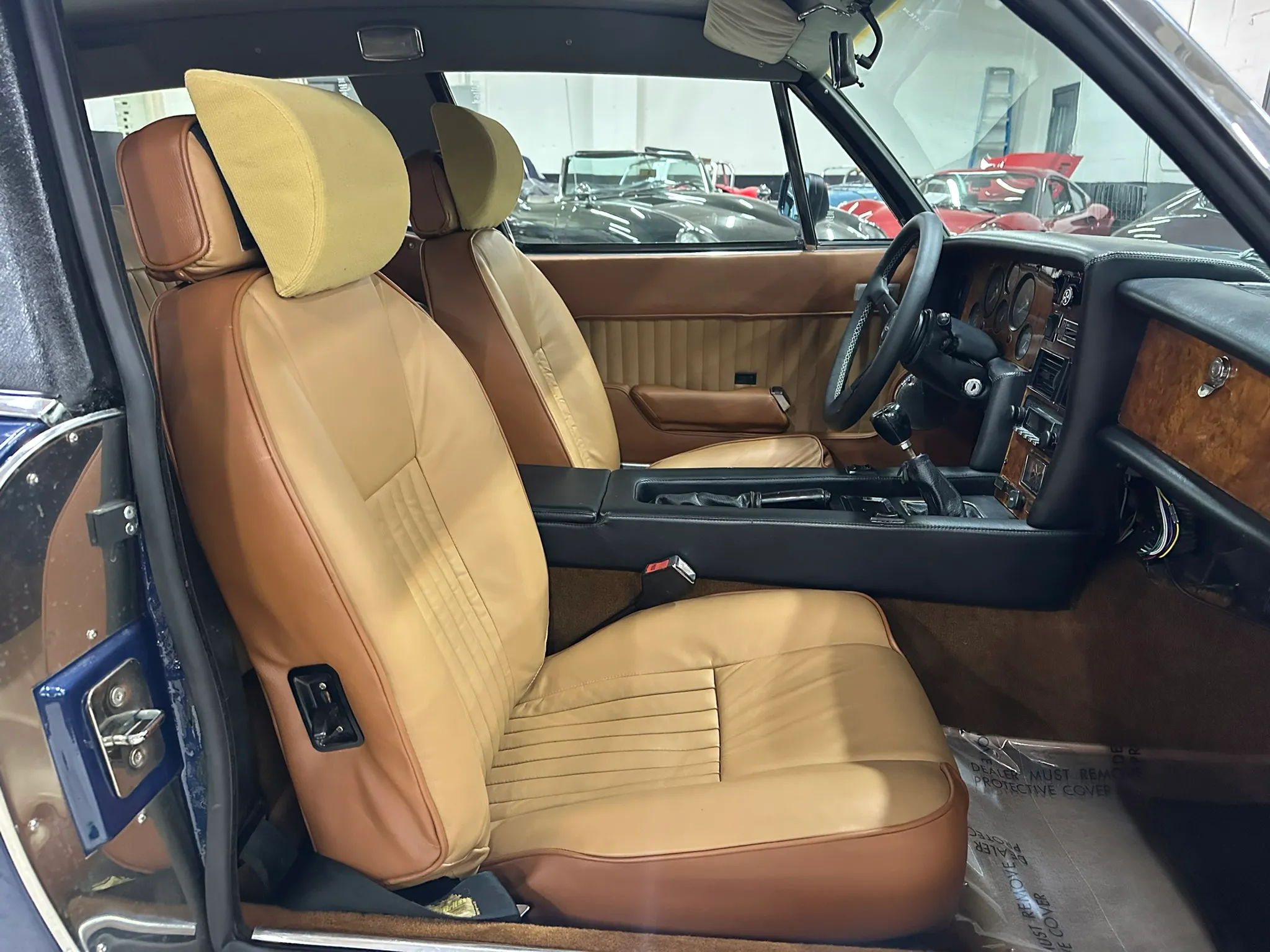
The early models of the Jensen-Healey featured rather spartan interiors but by August of 1973 the interiors were made increasingly luxurious accentuated with wood grain dashboards.
The Jensen GT
By 1976 Jensen were struggling financially. Sales of their flagship Jensen Interceptor had been badly affected by the 1973 Fuel Crisis. Jensen wanted a model that could pick up sales where the Interceptor was losing. What was needed was a stylish and luxurious hard top sports GT which produced excellent handling and exciting performance but which was also economical to run.
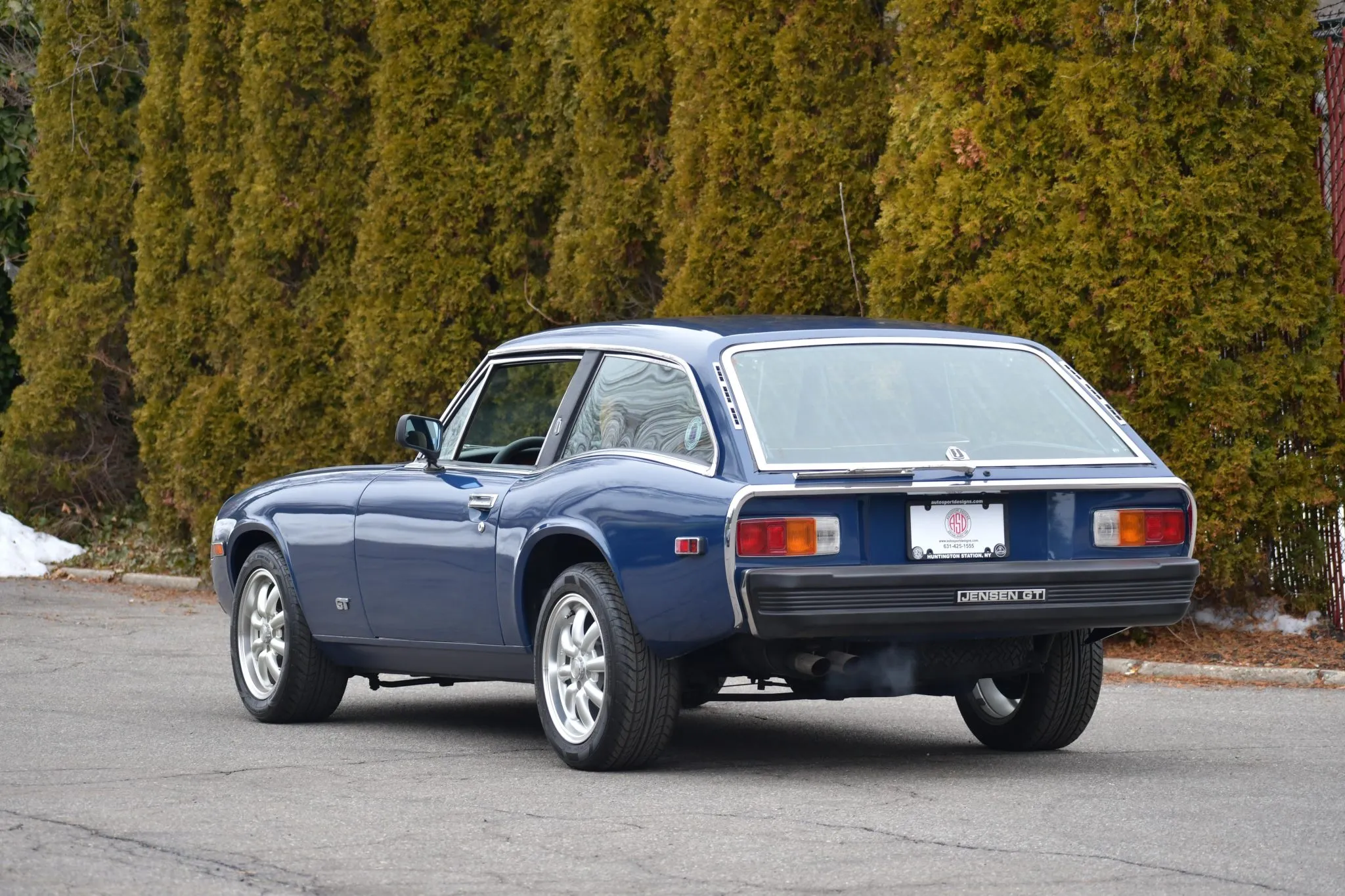
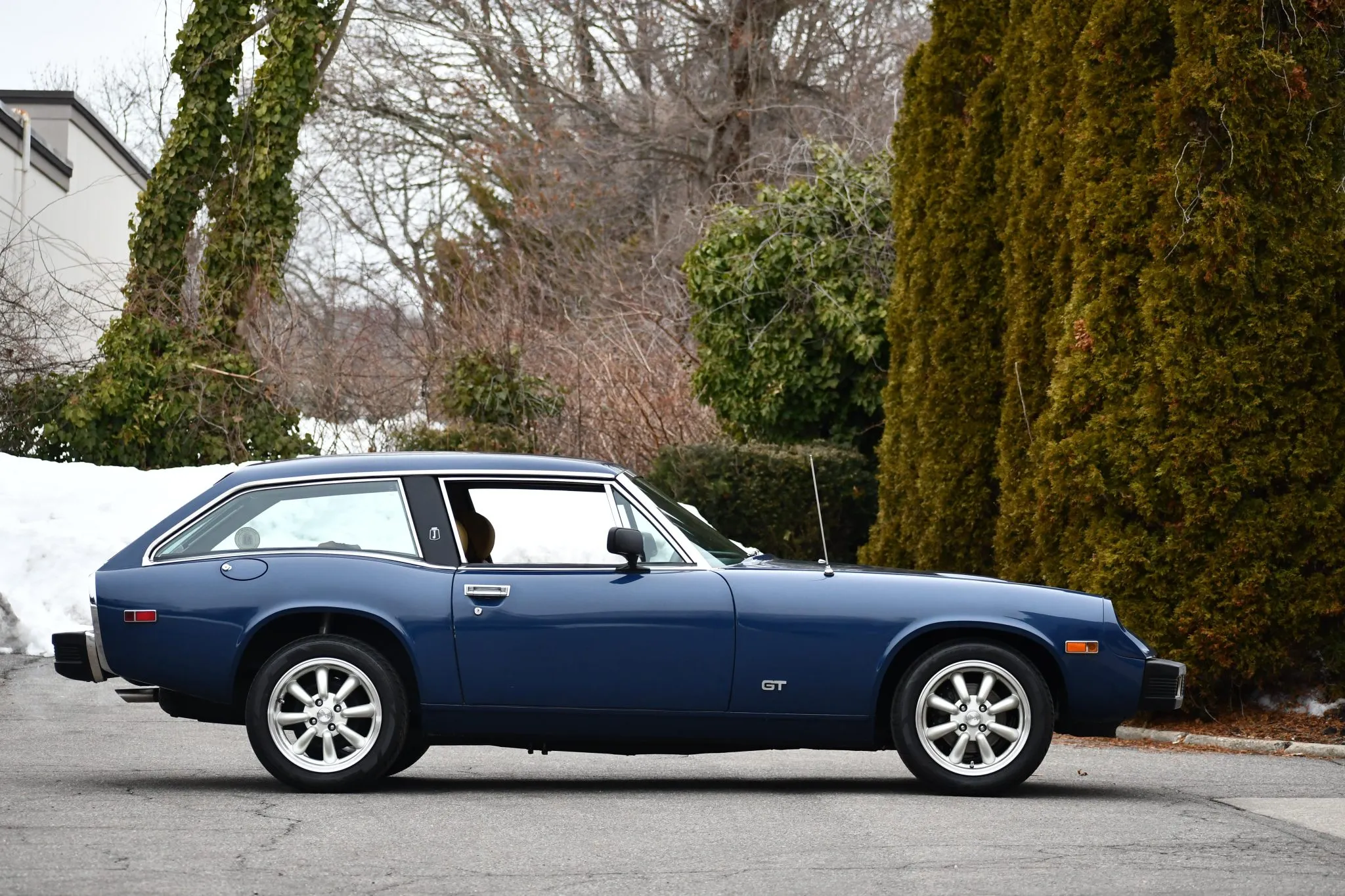
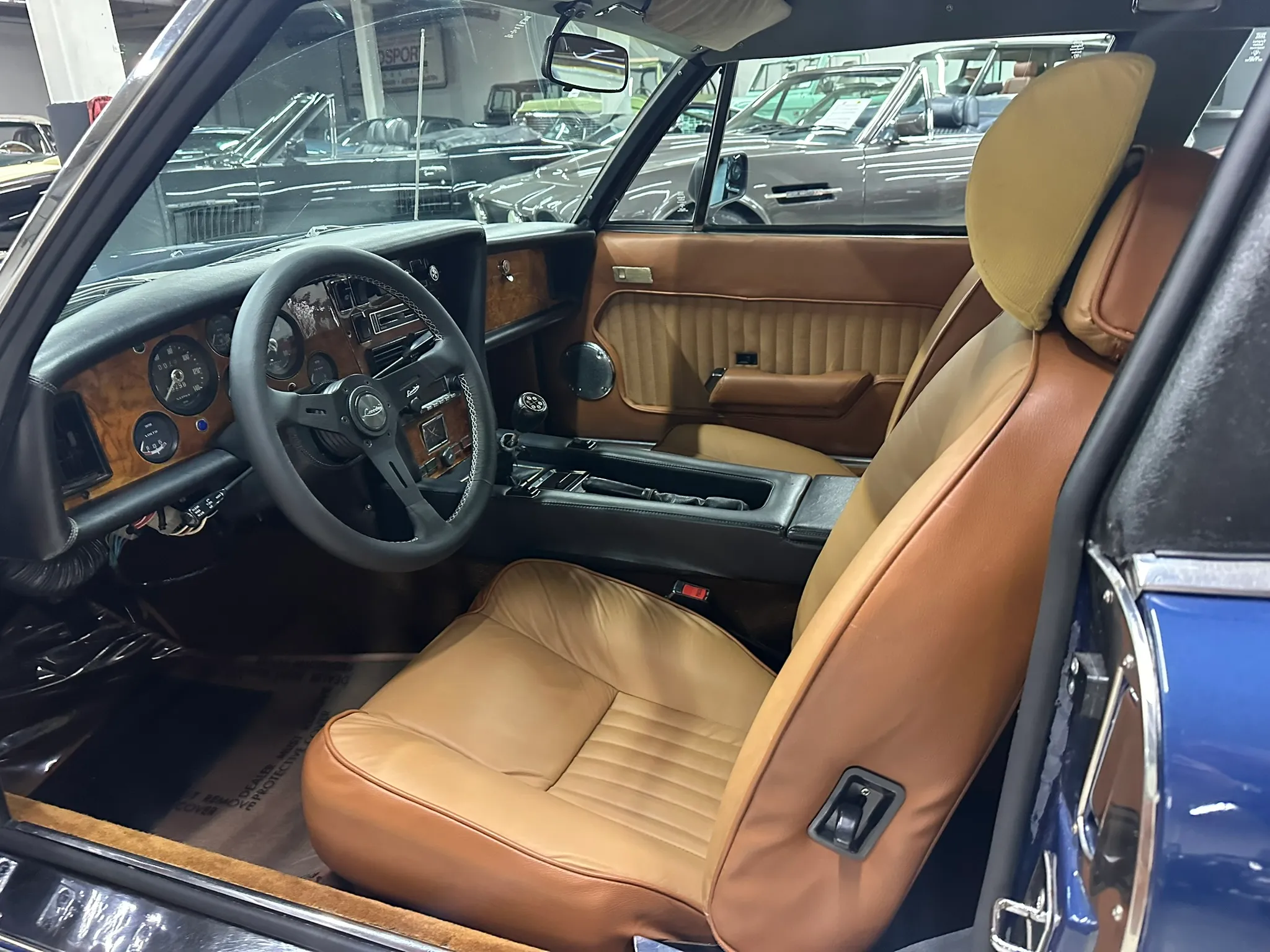
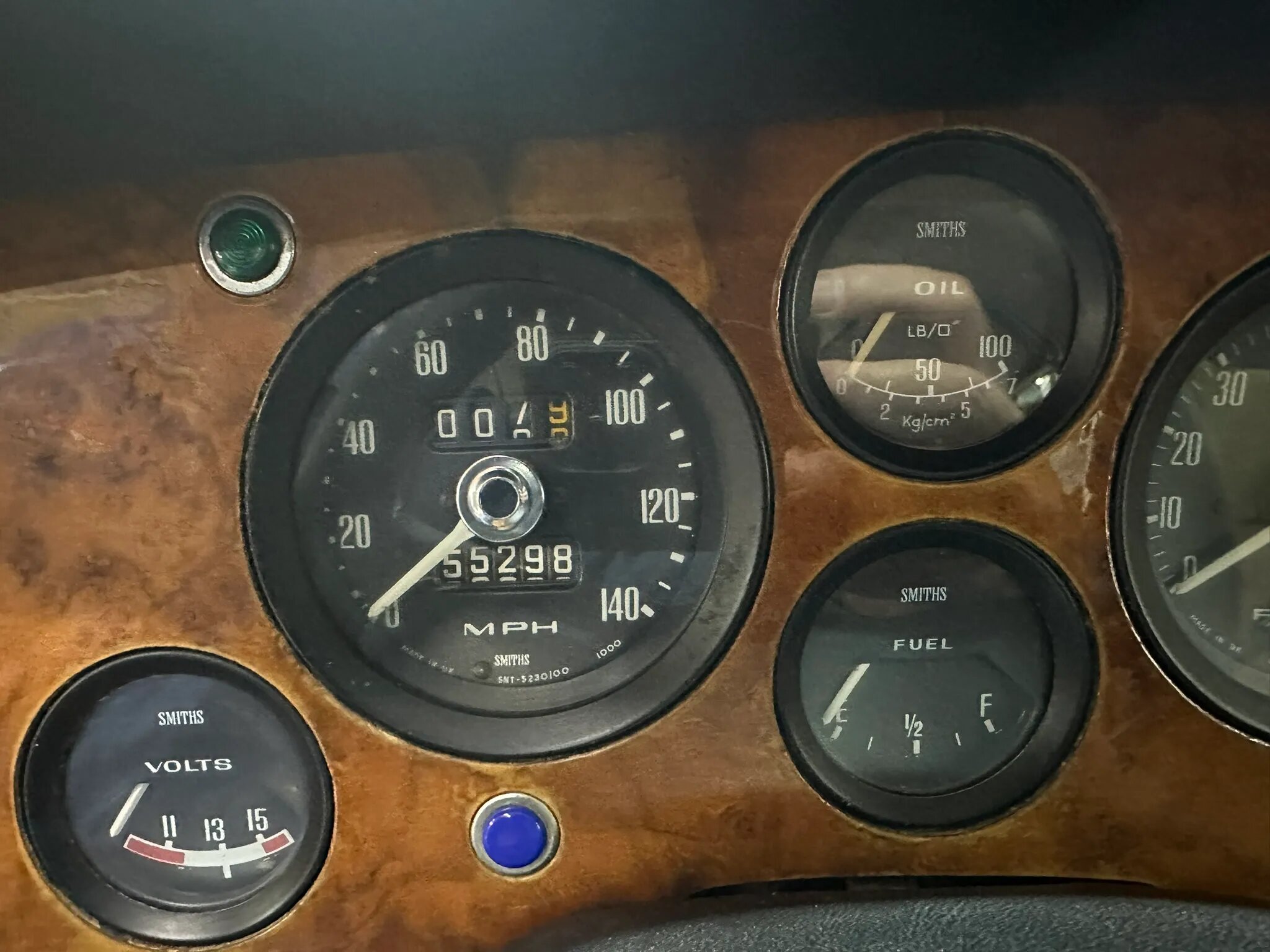
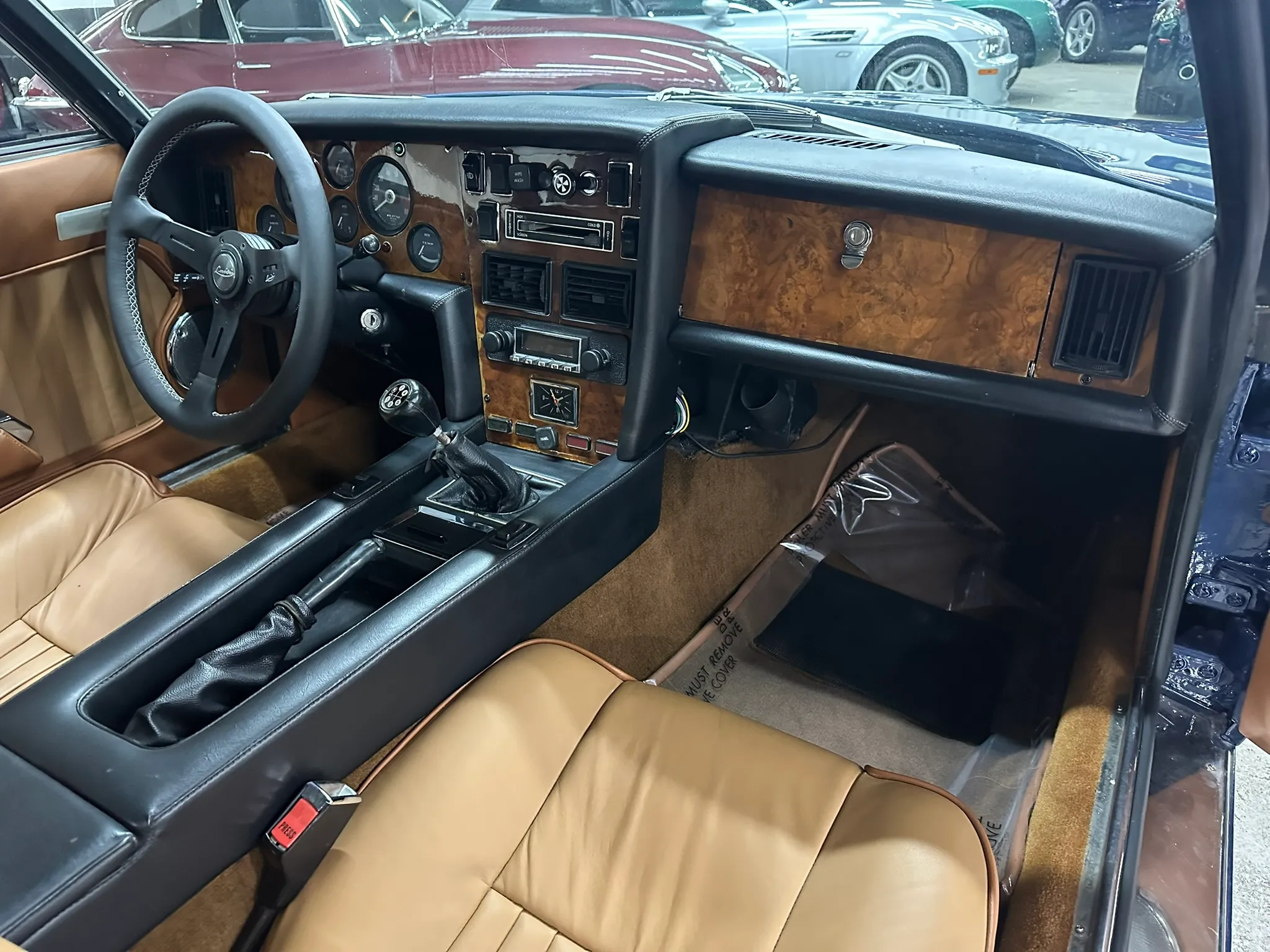
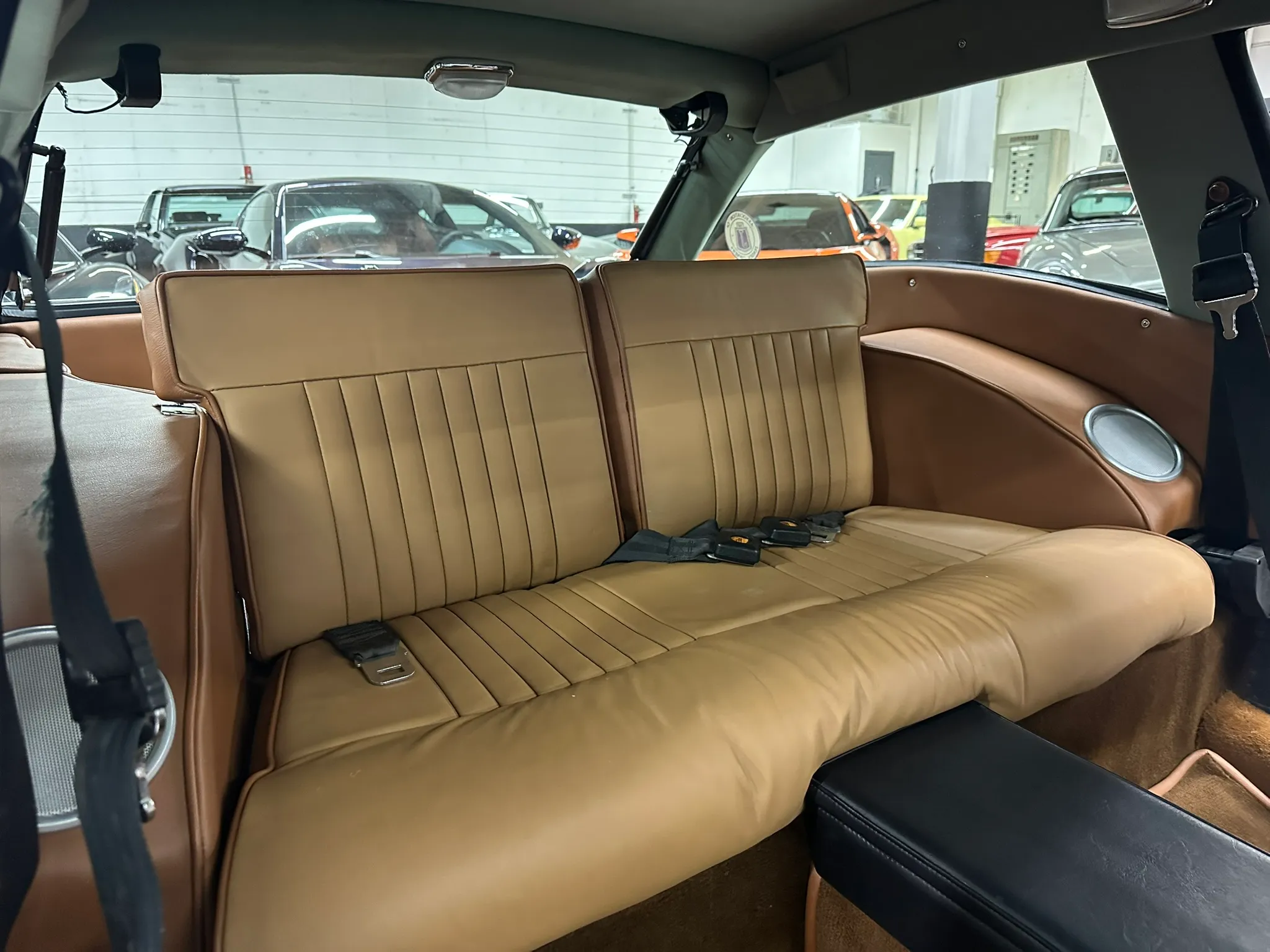
The solution was to produce a luxury GT version of the Jensen-Healey. The car was made with a “Shooting Brake” style body and the interior was given the Jensen luxury treatment with a burr walnut dashboard and paisley pattern cloth seats, with leather seats available as an option.
The car was a 2+2 GT and it entered production in September 1975 with production ending in May 1976 after 511 had been made.
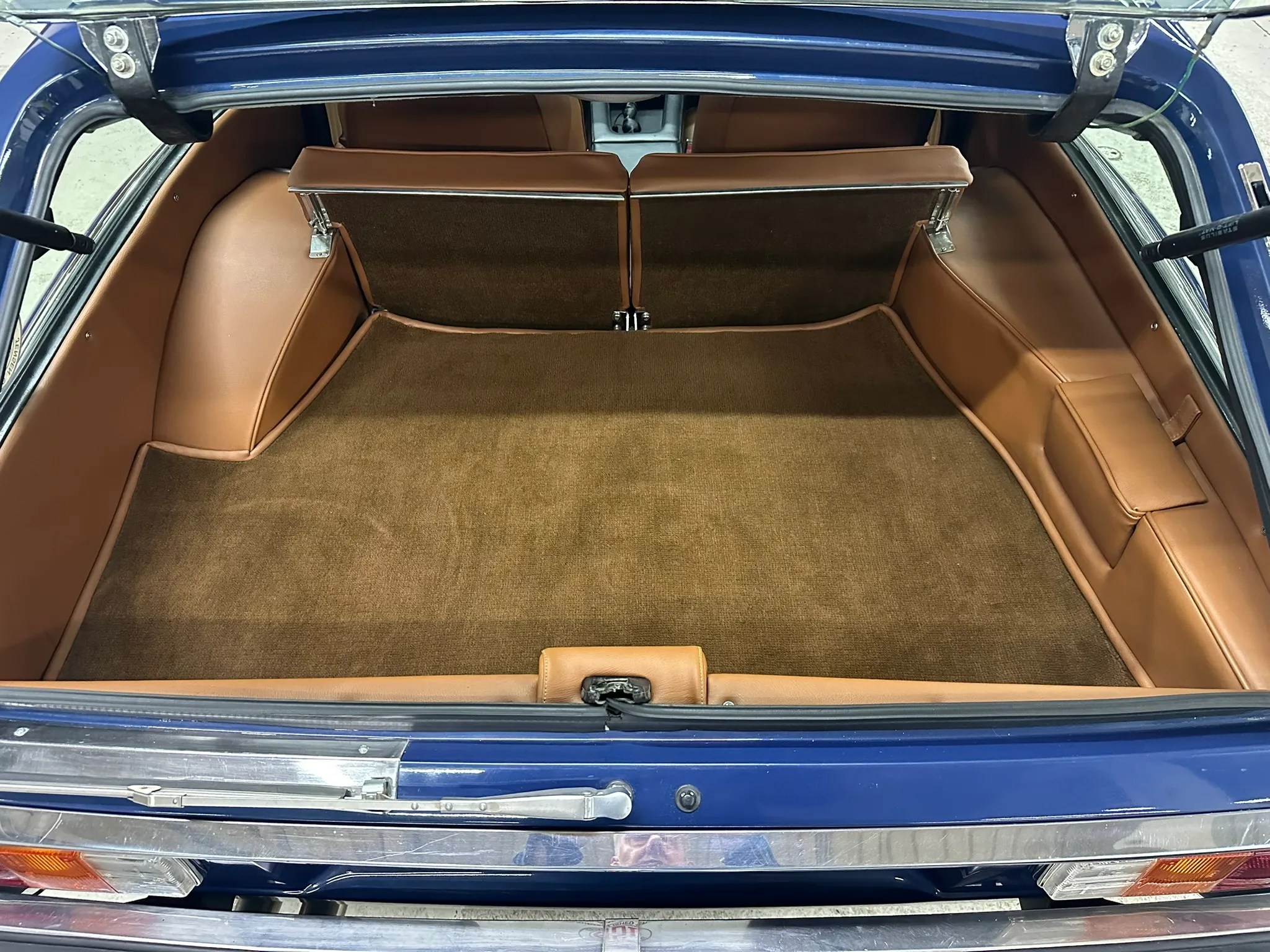
Jensen went into receivership after that point leaving the Jensen GT as its last design. The Jensen GT was a luxurious sports car, practical with its “shooting brake” (i.e. station wagon) body offering practical luggage space with the 2+2 body providing seating for a couple of children in addition to the spacious seats in the front.
As the production run for the Jensen GT was short and only a limited number were made this has served to make the car rather unusual. It remains as the nicest of all the versions of the Jensen-Healey and arguably the most practical.
One of these cars is available for sale on Bring a Trailer at time of publication.
You will find the sale page with further details if you click here.
Picture Credits: All pictures courtesy Bring a Trailer.
Jon Branch is the founder and senior editor of Revivaler and has written a significant number of articles for various publications including official Buying Guides for eBay, classic car articles for Hagerty, magazine articles for both the Australian Shooters Journal and the Australian Shooter, and he’s a long time contributor to Silodrome.
Jon has done radio, television, magazine and newspaper interviews on various issues, and has traveled extensively, having lived in Britain, Australia, China and Hong Kong. His travels have taken him to Indonesia, Israel, Italy, Japan and a number of other countries. He has studied the Japanese sword arts and has a long history of involvement in the shooting sports, which has included authoring submissions to government on various firearms related issues and assisting in the design and establishment of shooting ranges.