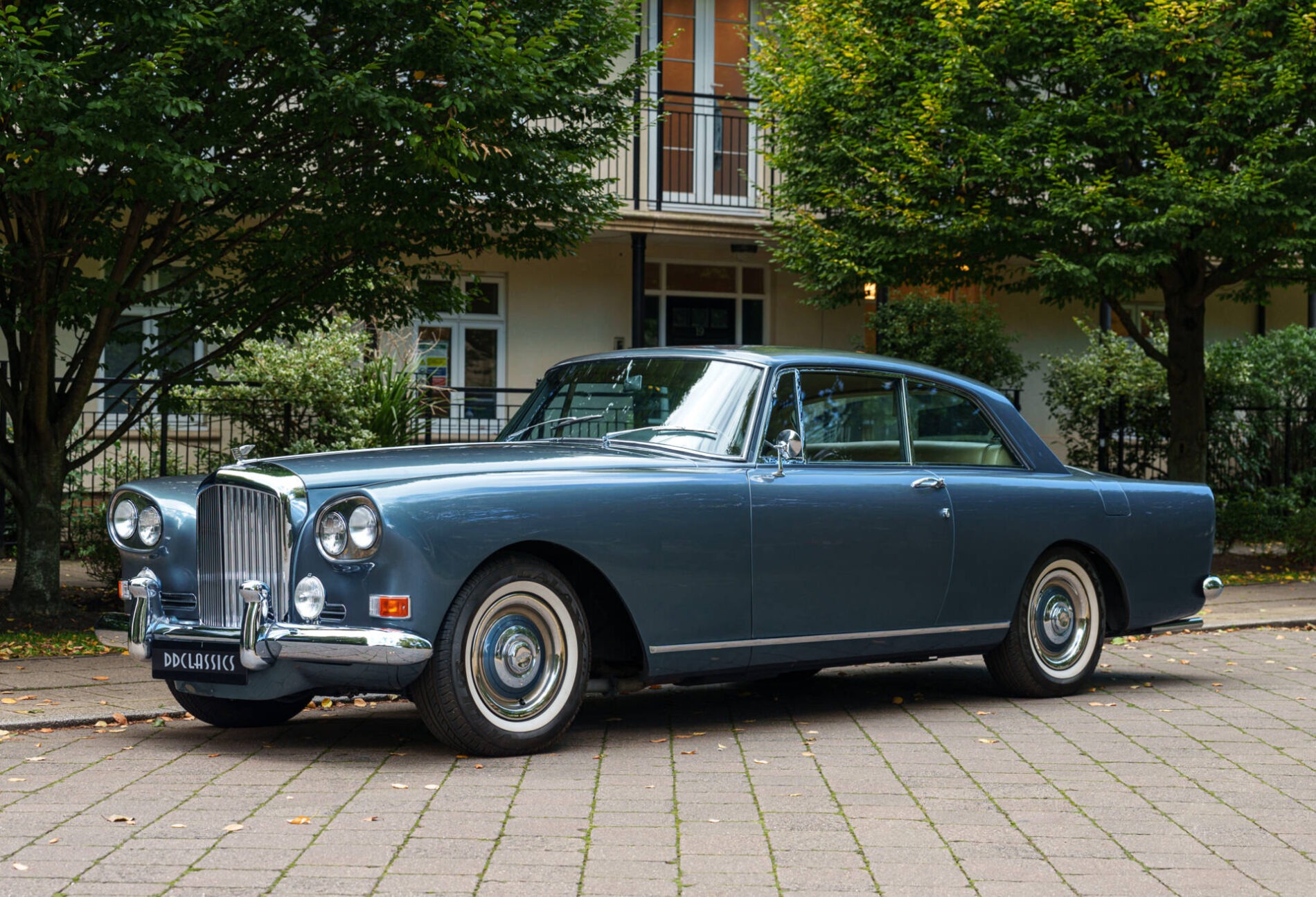
The Bentley S 3 continental was designed by Norwegian Vilhelm Koren and is one of the most beautiful British cars of the 1960’s. With its 200 hp V8 engine this is an exquisite luxury car with an elegant sufficiency of performance.
Fast Facts
- The Bentley S 3 was one of the last of the Bentley body on chassis automobiles.
- The Bentley S 3 Continental was offered with custom coachwork by Mulliner/Park Ward and James Young.
- One of these Bentley S 3 Continentals with bodywork by Park Ward is currently offered for sale on Classic Trader.
The Bentley S 3 was based on the Rolls-Royce Silver Cloud, which had been designed by John P. Blatchley. Bentley had been taken over by Rolls-Royce in November of 1931 and so Bentleys then became effectively badge-engineered Rolls-Royces.
The post-war Bentleys were, like their Rolls-Royce siblings, motor cars that epitomized the very best in British luxury automobiles.
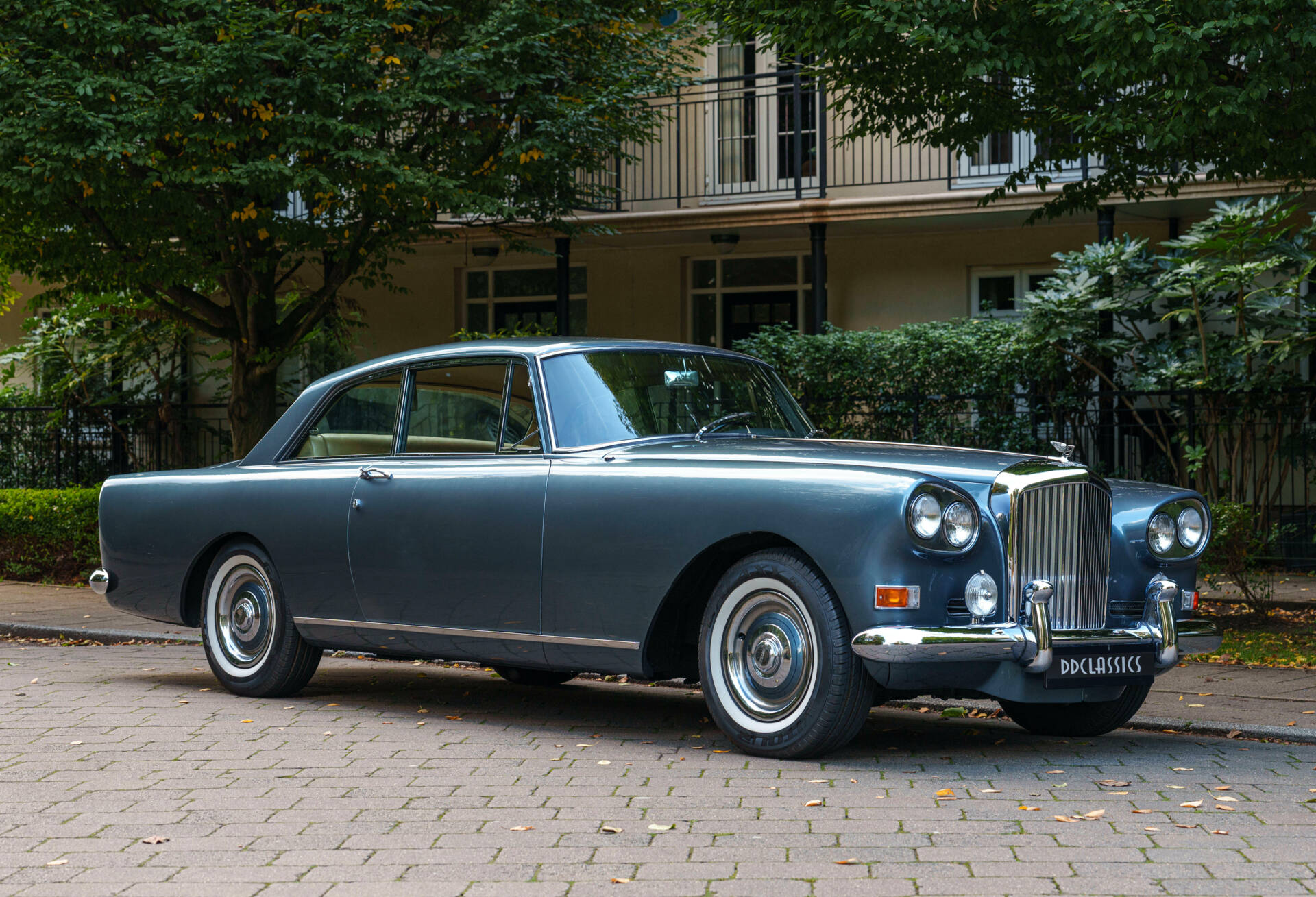
The Rolls-Royce Silver Cloud and its Bentley sibling, the Bentley S 1 debuted in 1955: both cars looking near identical except for the front grill.
The Bentley S 1 was upgraded in 1959 to become the S 2, and then again in 1962 to become the S 3, the last body-on-chassis Bentley to be made.
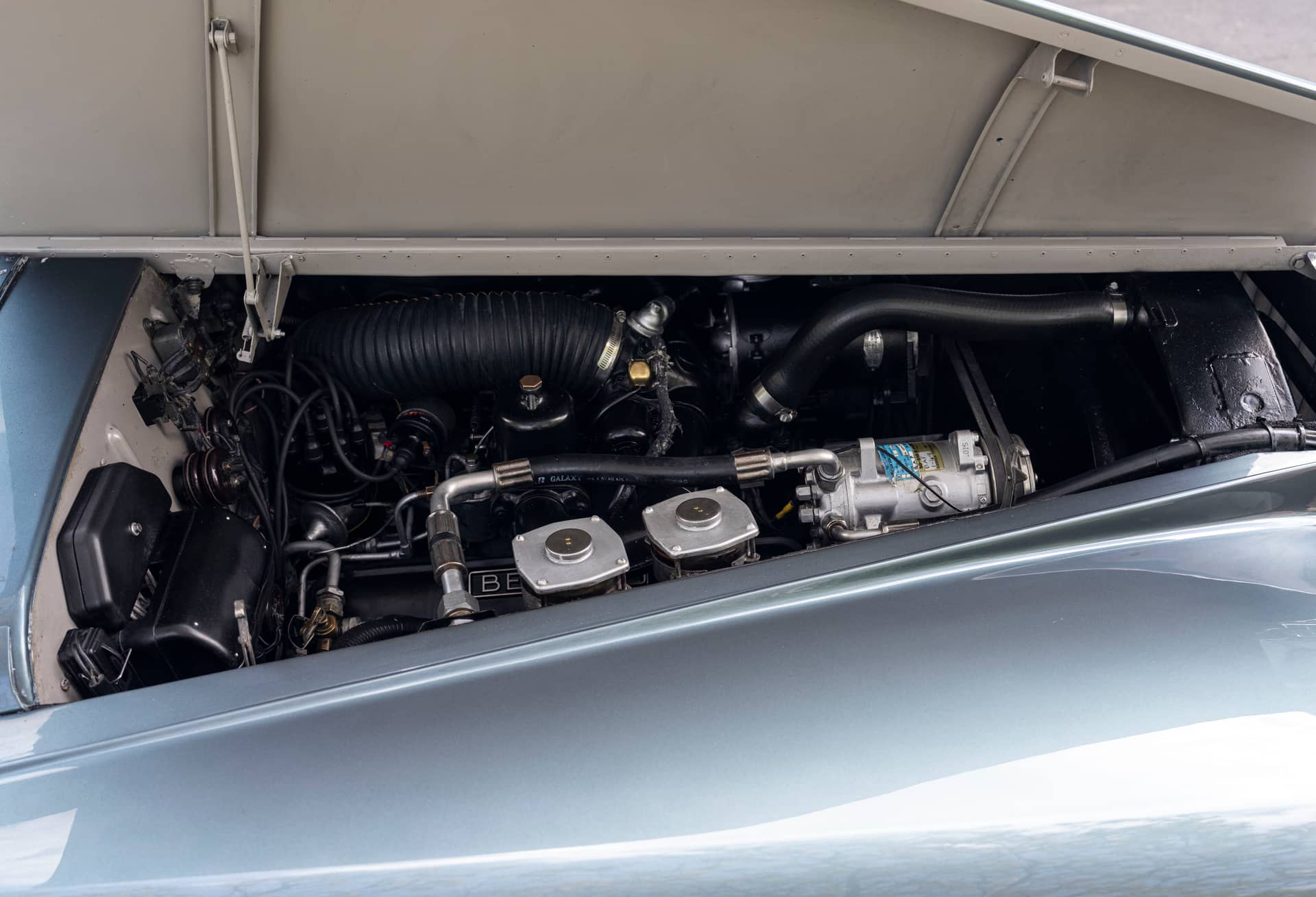
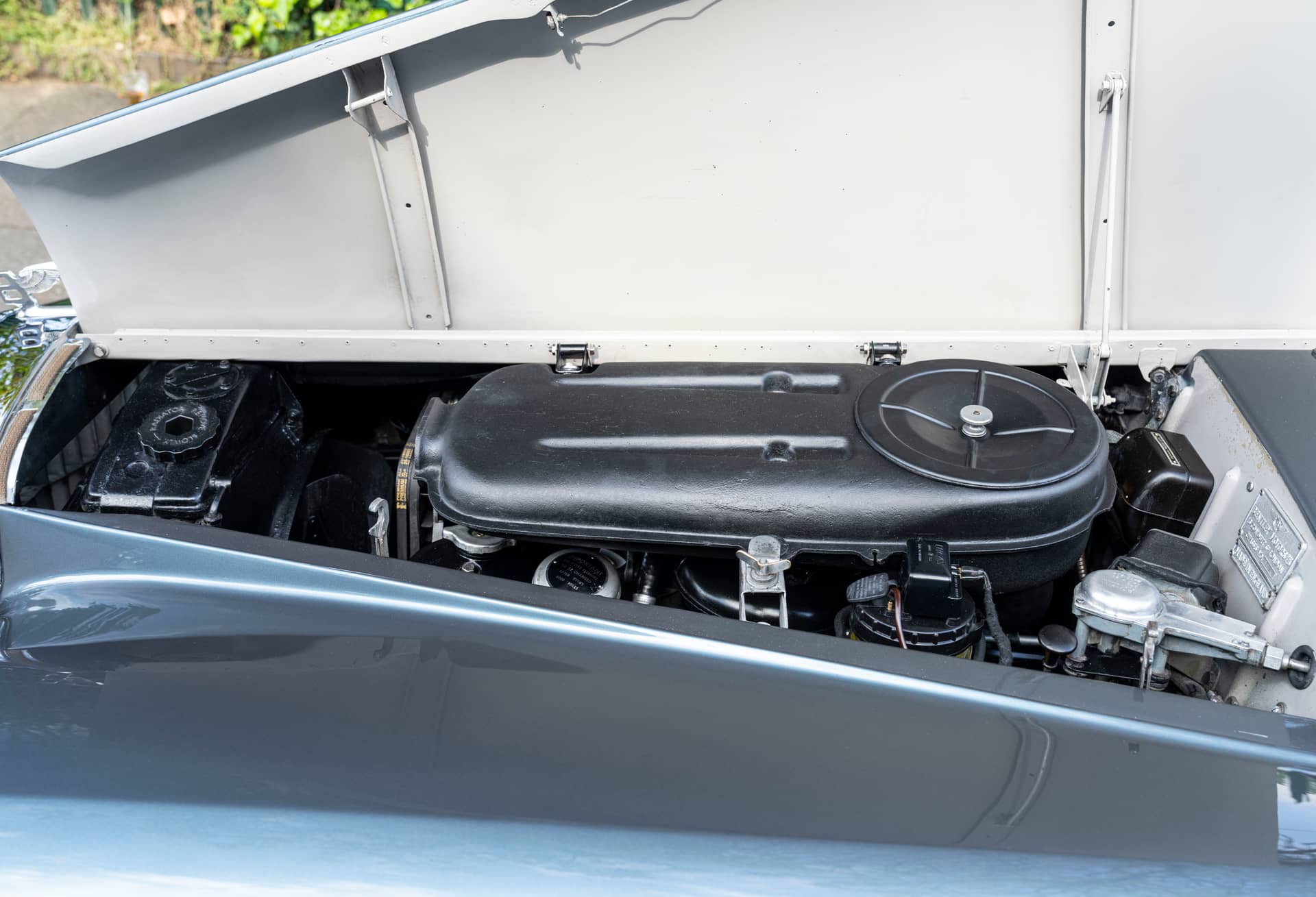
Powered by the Rolls-Royce 6.2 liter (6,230 cc/380 cu. in.) V8 engine this was a luxury car with an elegant sufficiency of power and torque: this engine being mated to a four speed automatic transmission.
Engine power was listed as 200 hp (147 kW), an improvement over the Bentley S 2 due to some refinements, including to the carburetors, and an increase in the compression ratio from 8:1 to 9:1.
The Bentley S 3 was made in the standard Bentley S 3 four door saloon, with the option of having special coachwork built onto the rolling chassis by either Mulliner, Park Ward Ltd., which was owned by Rolls-Royce, or by James Young.
As the Bentley S 3 Continental cars had their coachwork created at the Park Ward premises in Willesden, North London, these cars are badged as Park Ward. The cars built by H.J. Mulliner are badged accordingly and have the name Bentley S 3 Continental Flying Spur, while those from James Young are badged as being by him.
The Park Ward Bentley S 3 Continental remains one of the most beautiful automobiles to bear the Bentley name. It was designed by Norwegian Vilhelm Koren originally for the Bentley S 2 chassis, and this design was then translated onto the new S 3. The car featured slanted twin headlights which add a rather attractive aesthetic to the front styling.
1963 Bentley S 3 Continental for Sale
If you are looking for a Bentley S 3 Continental of the Vilhelm Koren design then one is currently on offer by Classic Trader.
This car was originally made in left hand drive for a Mr. Ricardo Sicre and sold by Garage de l’Athenée, Geneva, Switzerland. The Bentley was subsequently purchased by American author Irving Wallace.
There were only twenty seven left hand drive examples of the Bentley S 3 Continental built.
Wallace took the car home to the United States where it was kept in Brentwood, Los Angeles.
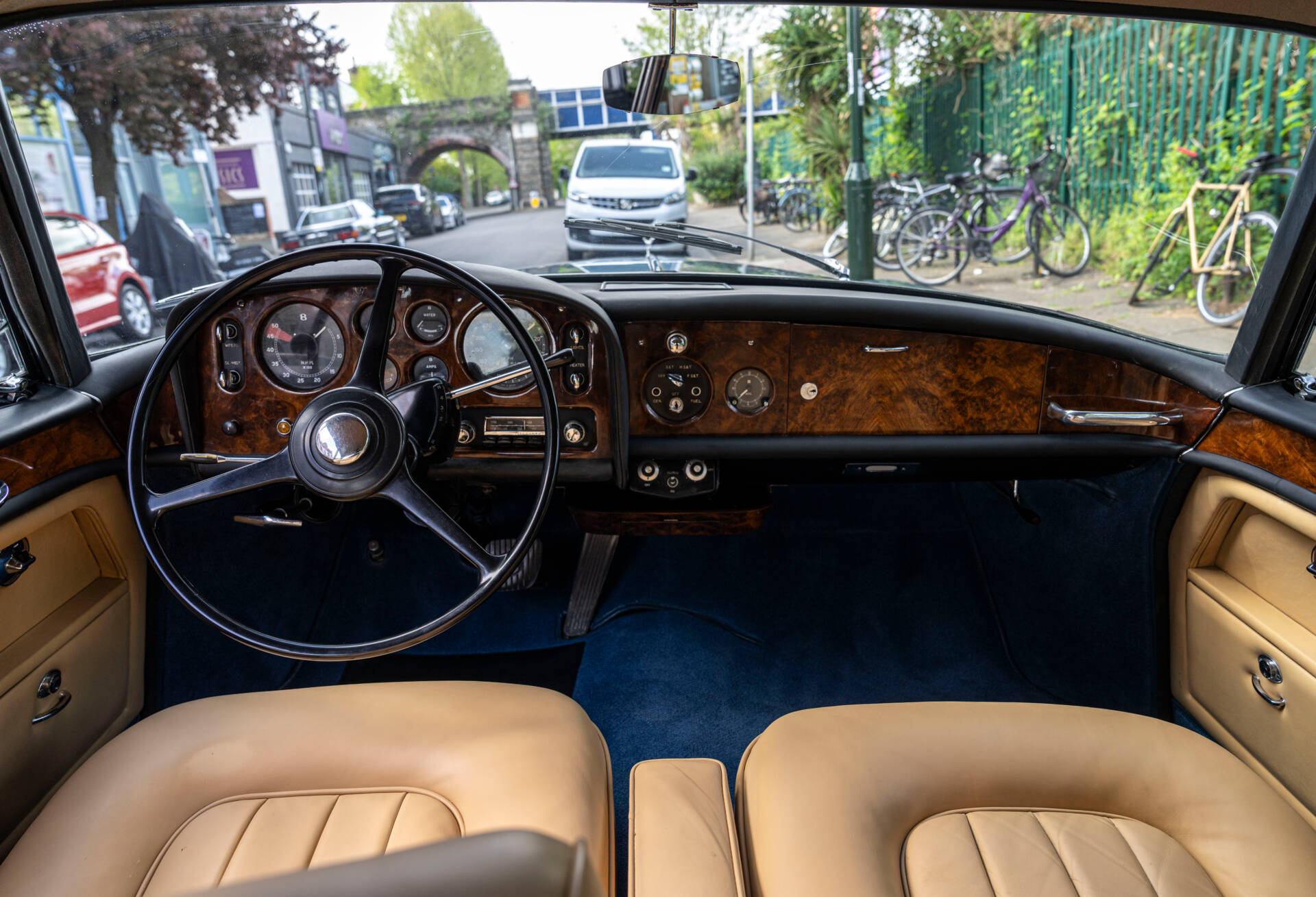
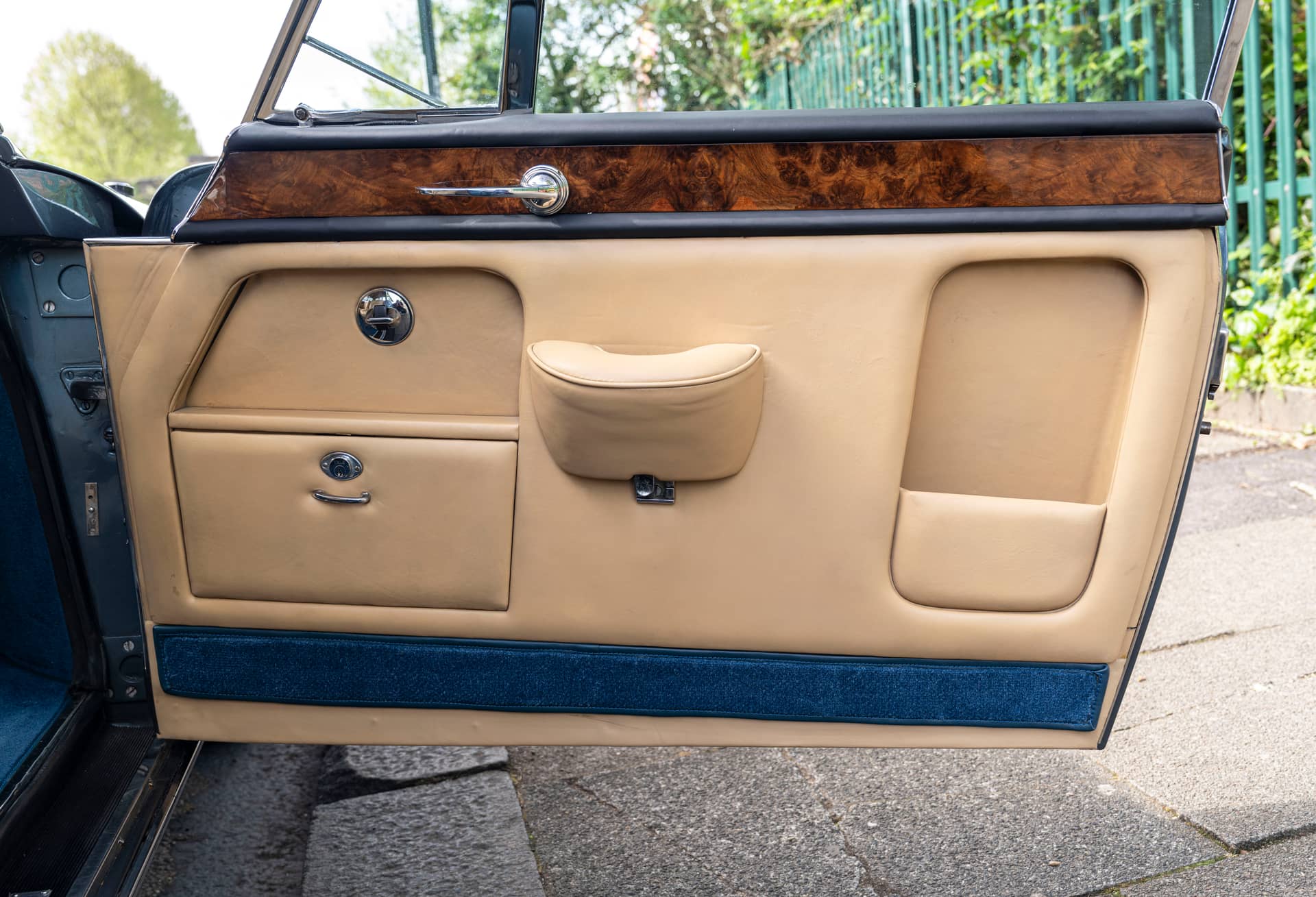
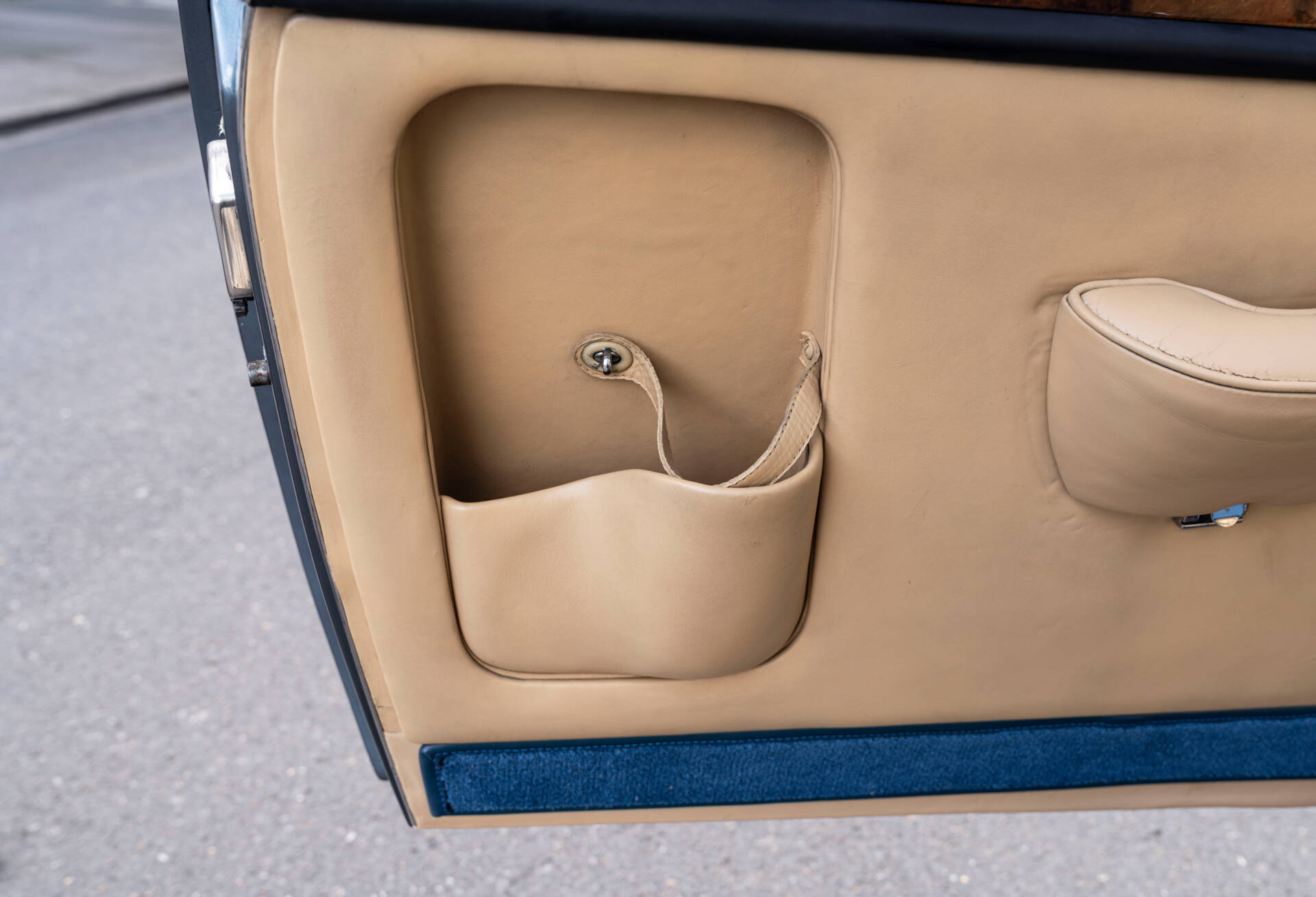
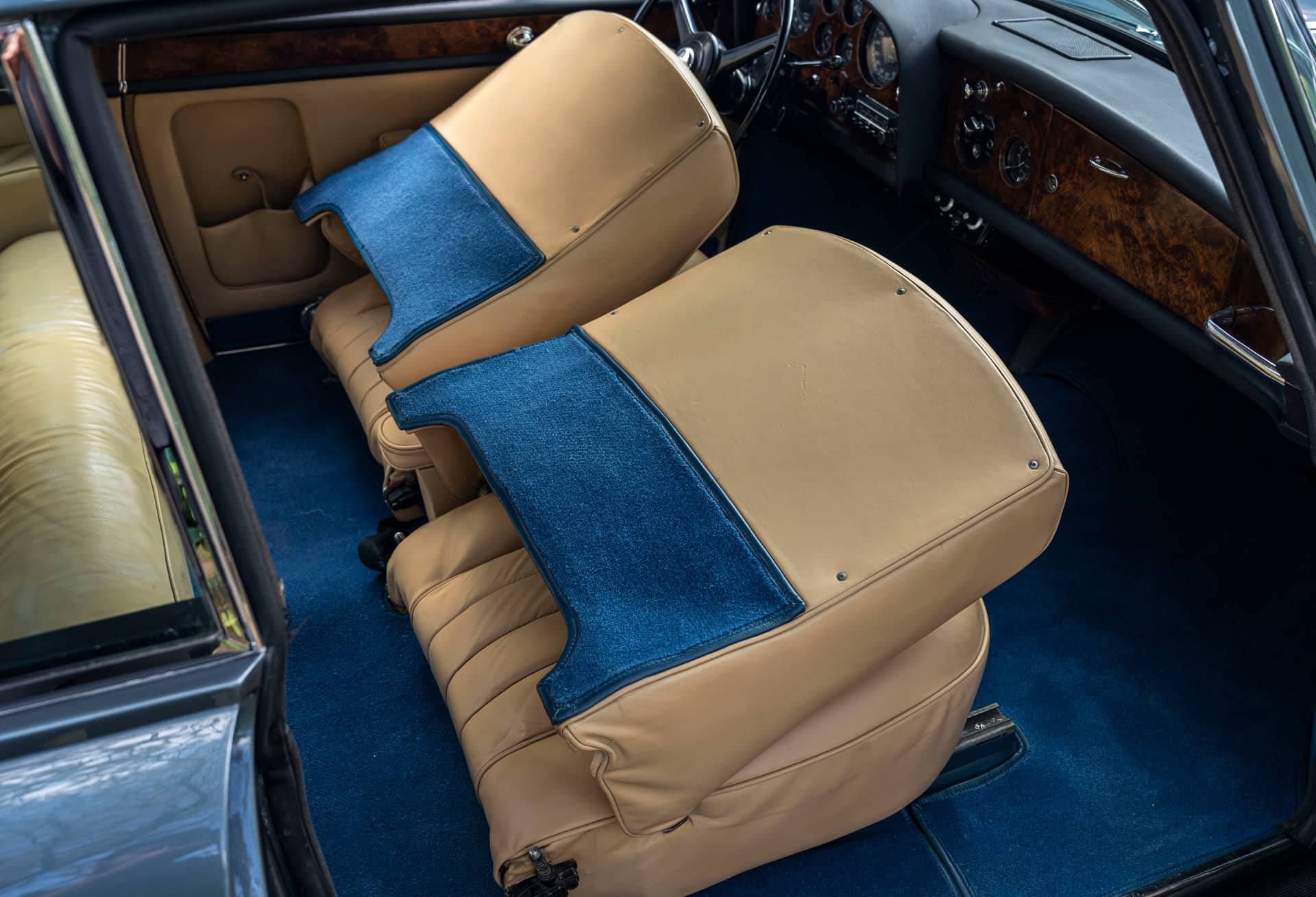
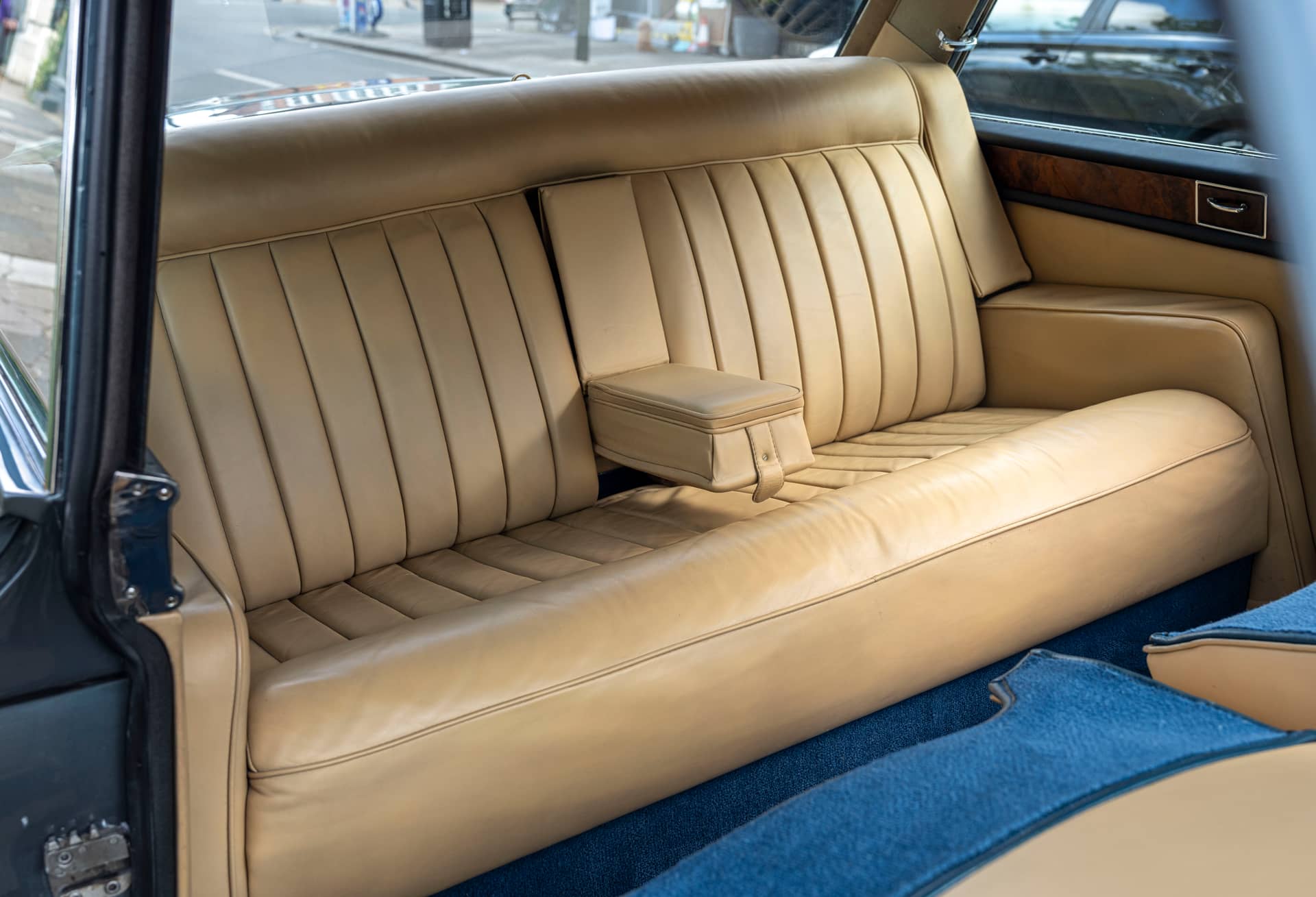
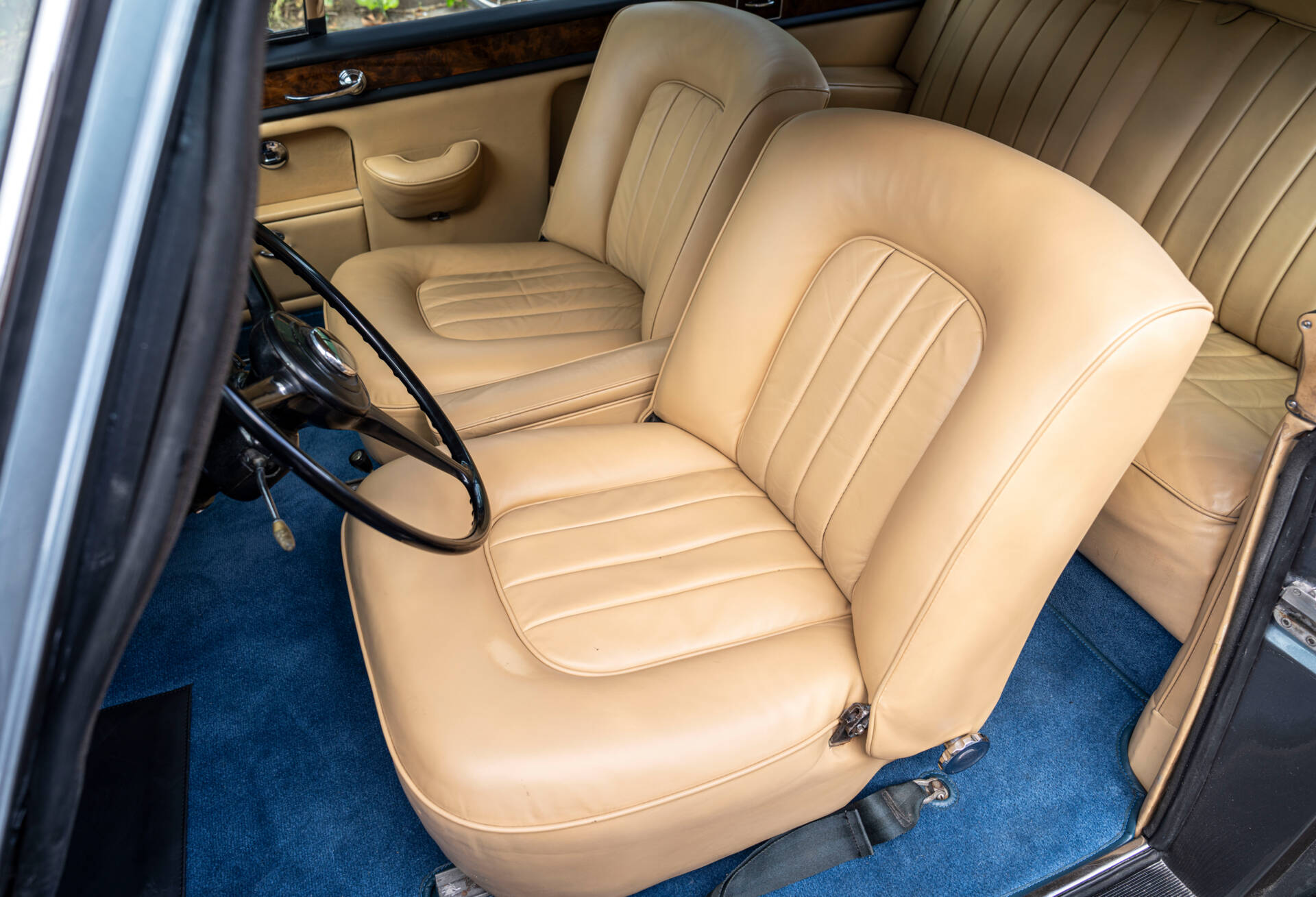
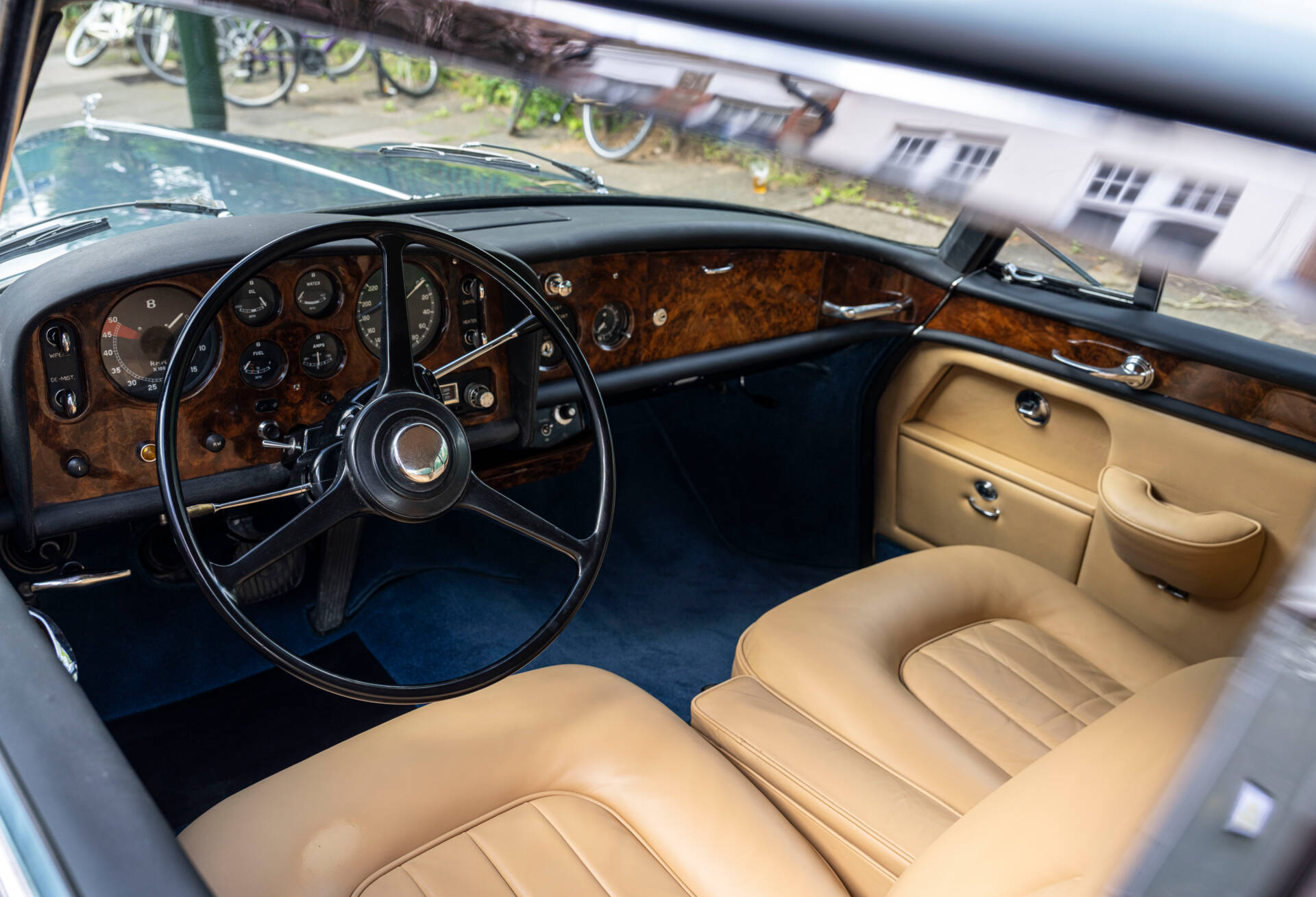
The car is painted in Steel Blue with Beige Connolly Hide interior. It has factory air-conditioning and unique door panels with drinks cabinets and “Mineral water bottle holder”.
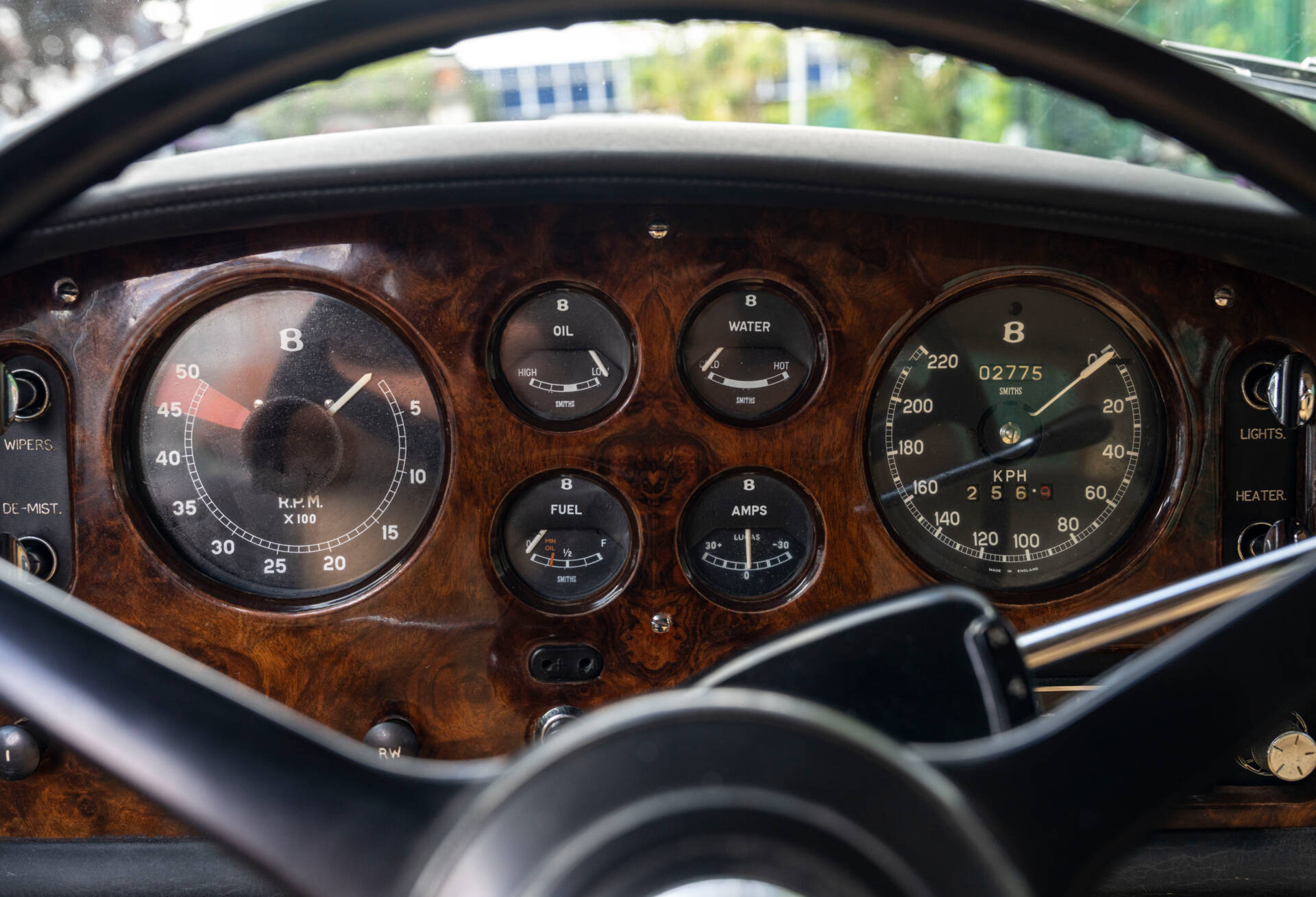
The speedometer is calibrated in Miles Per Hour and is fitted with Sundym glass all around to provided sun protection.
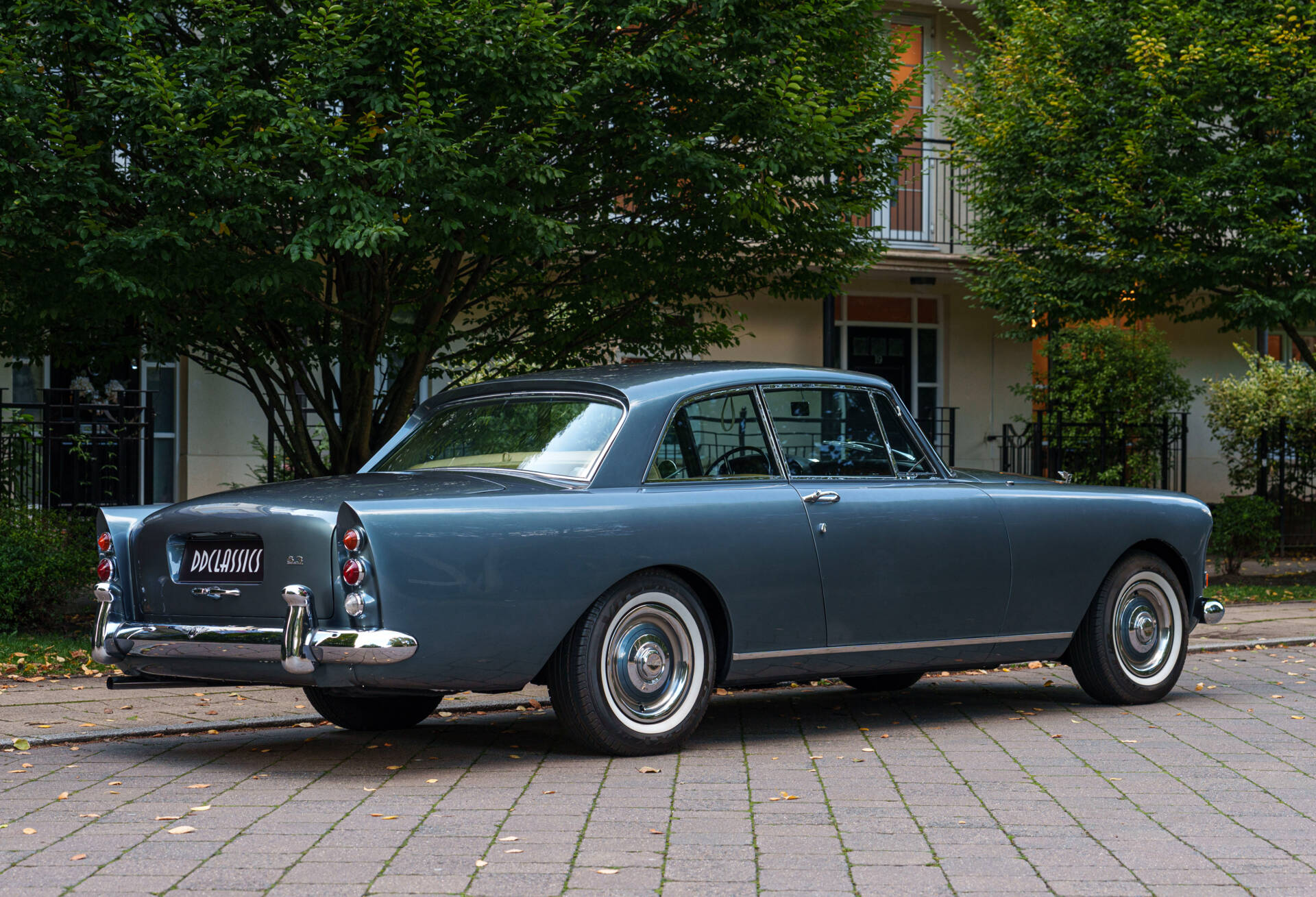
Other equipment includes Irvine lap belts (front and rear), Radiomobile electric aerial, export-type rear number plate, rubber inserts on the over-riders, and electric windows.
Picture Credits: All pictures courtesy DD Classics Ltd.
Jon Branch is the founder and senior editor of Revivaler and has written a significant number of articles for various publications including official Buying Guides for eBay, classic car articles for Hagerty, magazine articles for both the Australian Shooters Journal and the Australian Shooter, and he’s a long time contributor to Silodrome.
Jon has done radio, television, magazine and newspaper interviews on various issues, and has traveled extensively, having lived in Britain, Australia, China and Hong Kong. His travels have taken him to Indonesia, Israel, Italy, Japan and a number of other countries. He has studied the Japanese sword arts and has a long history of involvement in the shooting sports, which has included authoring submissions to government on various firearms related issues and assisting in the design and establishment of shooting ranges.