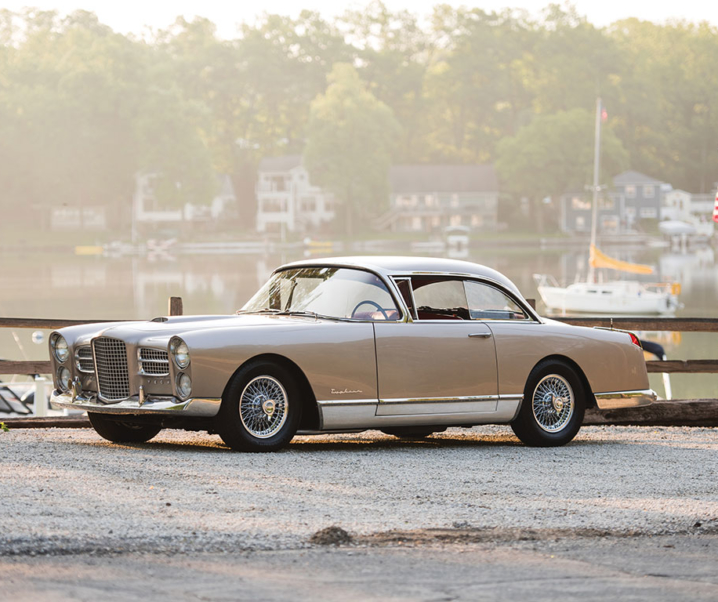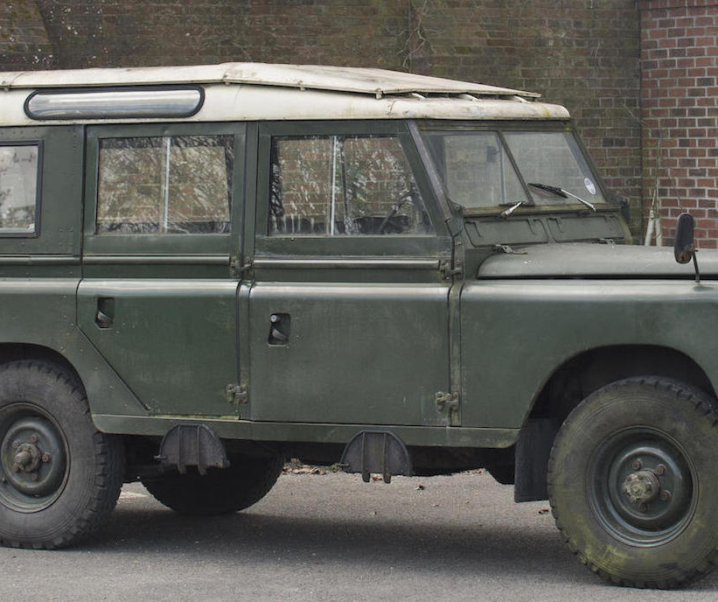
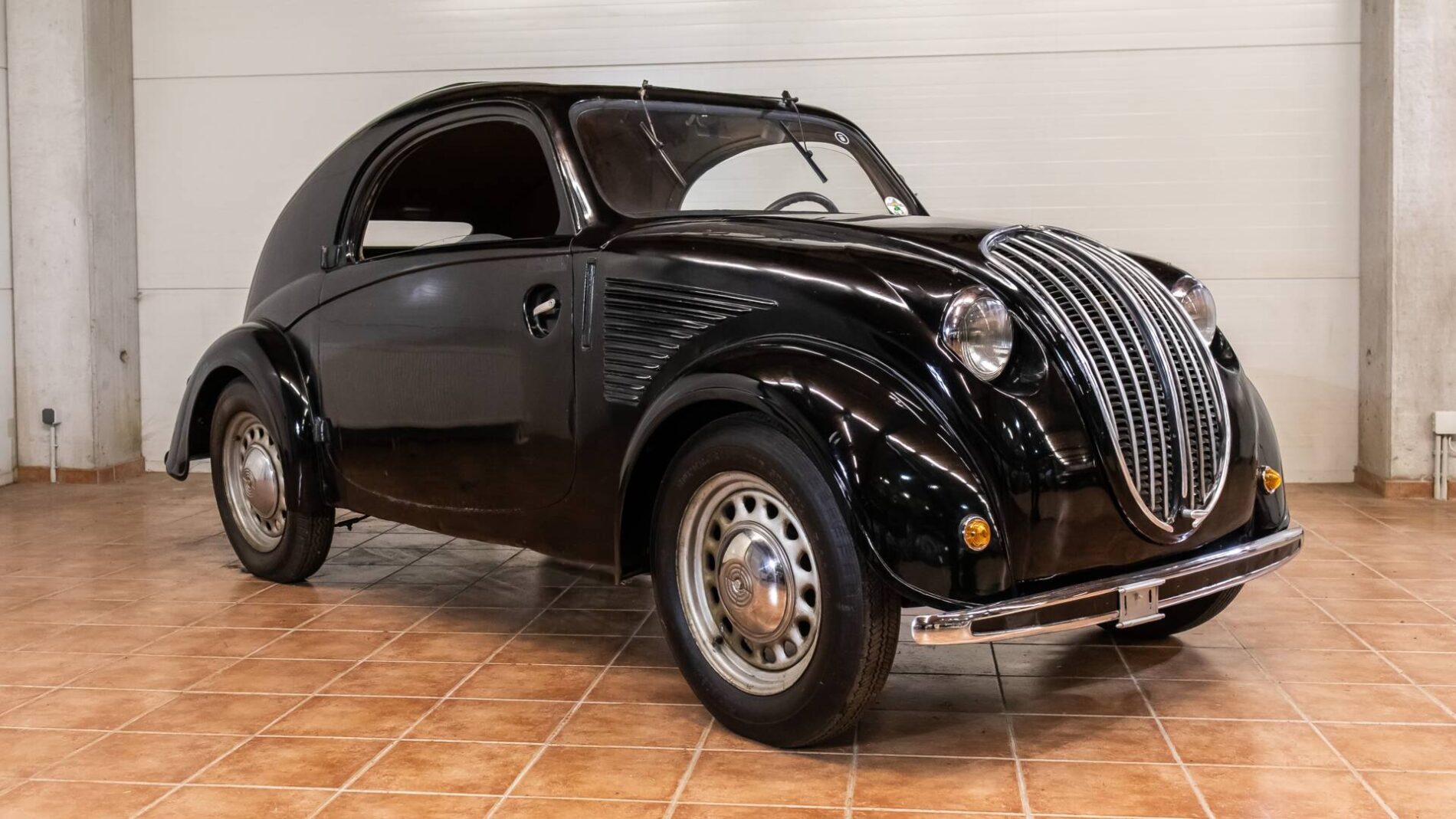
The name Steyr is mostly known in association with firearms – especially sporting rifles of which the Mannlicher-Schönauer is the best known. But Steyr also made automobiles including the Steyr-Puch 50 and 55 which were Austria’s answer to the Volkswagen.
Fast Facts
- The Steyr name nowadays is perhaps most well known in firearms circles.
- After the First World War Steyr embarked on a diversification program which ultimately led to their designing and making not only firearms, but also bicycles, motorcycles, automobiles, trucks and railway locomotives.
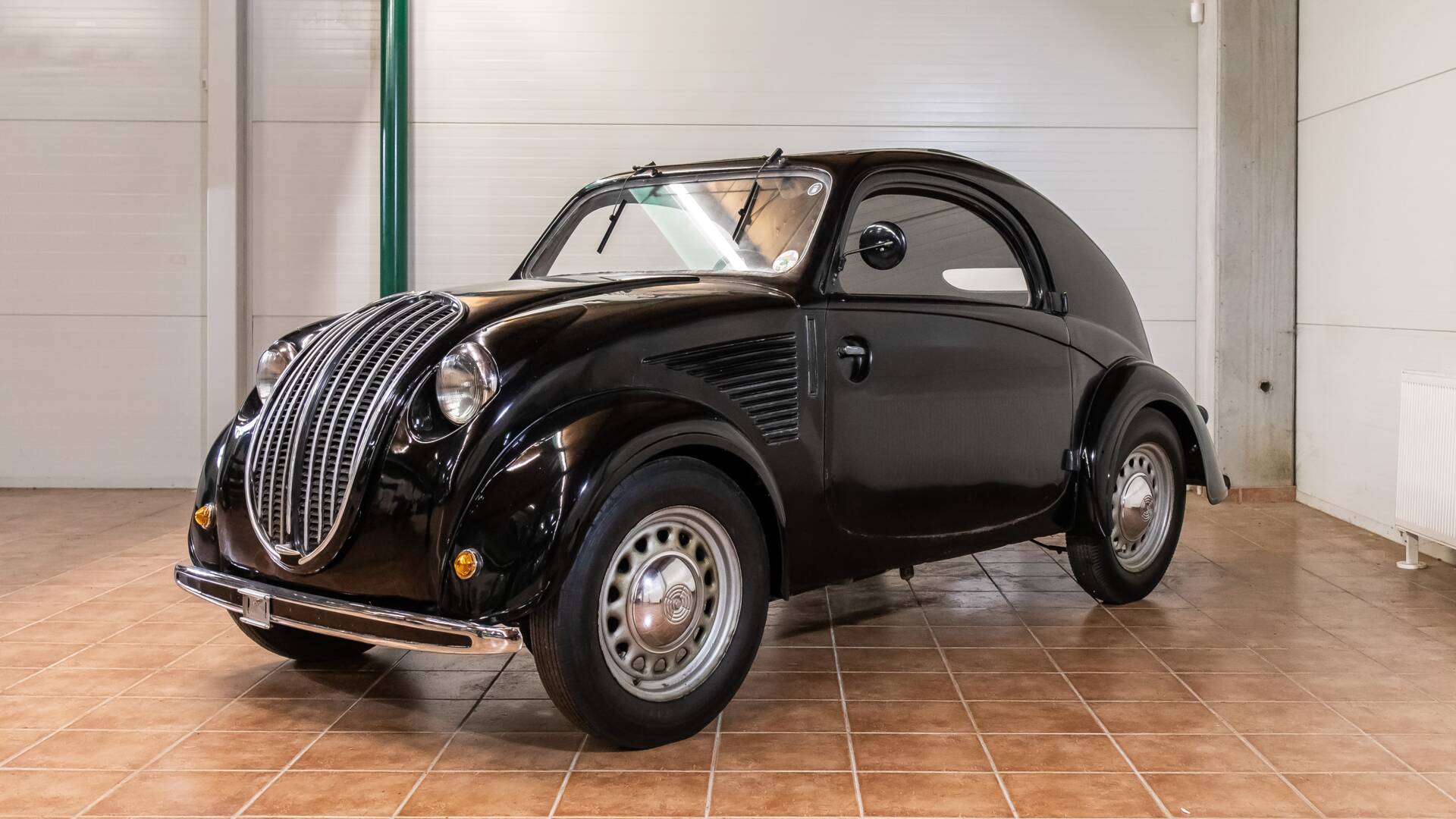
- One of the most iconic of the Steyr automobiles were the models 50 and 55, which were nicknamed “Baby”.
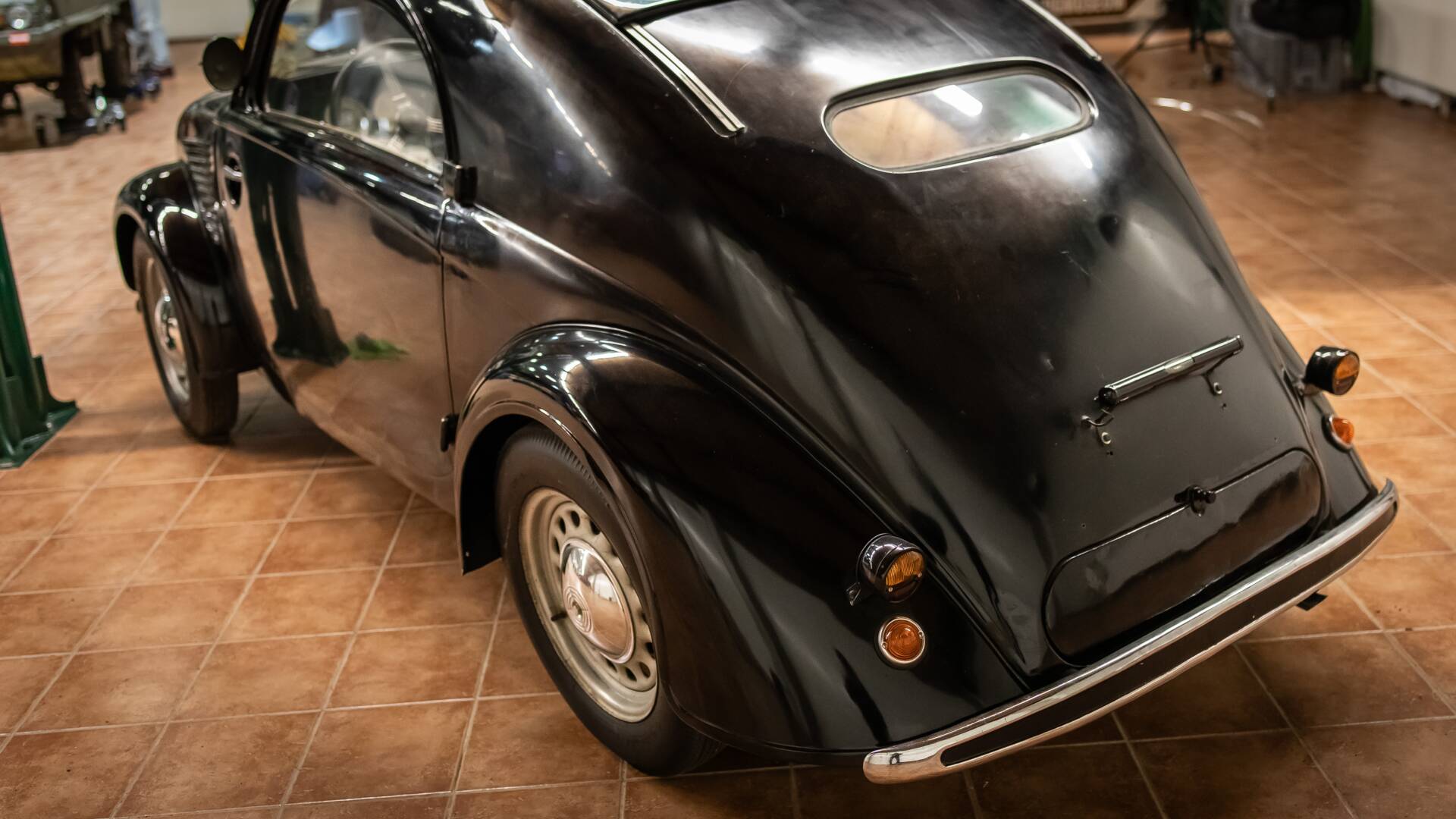
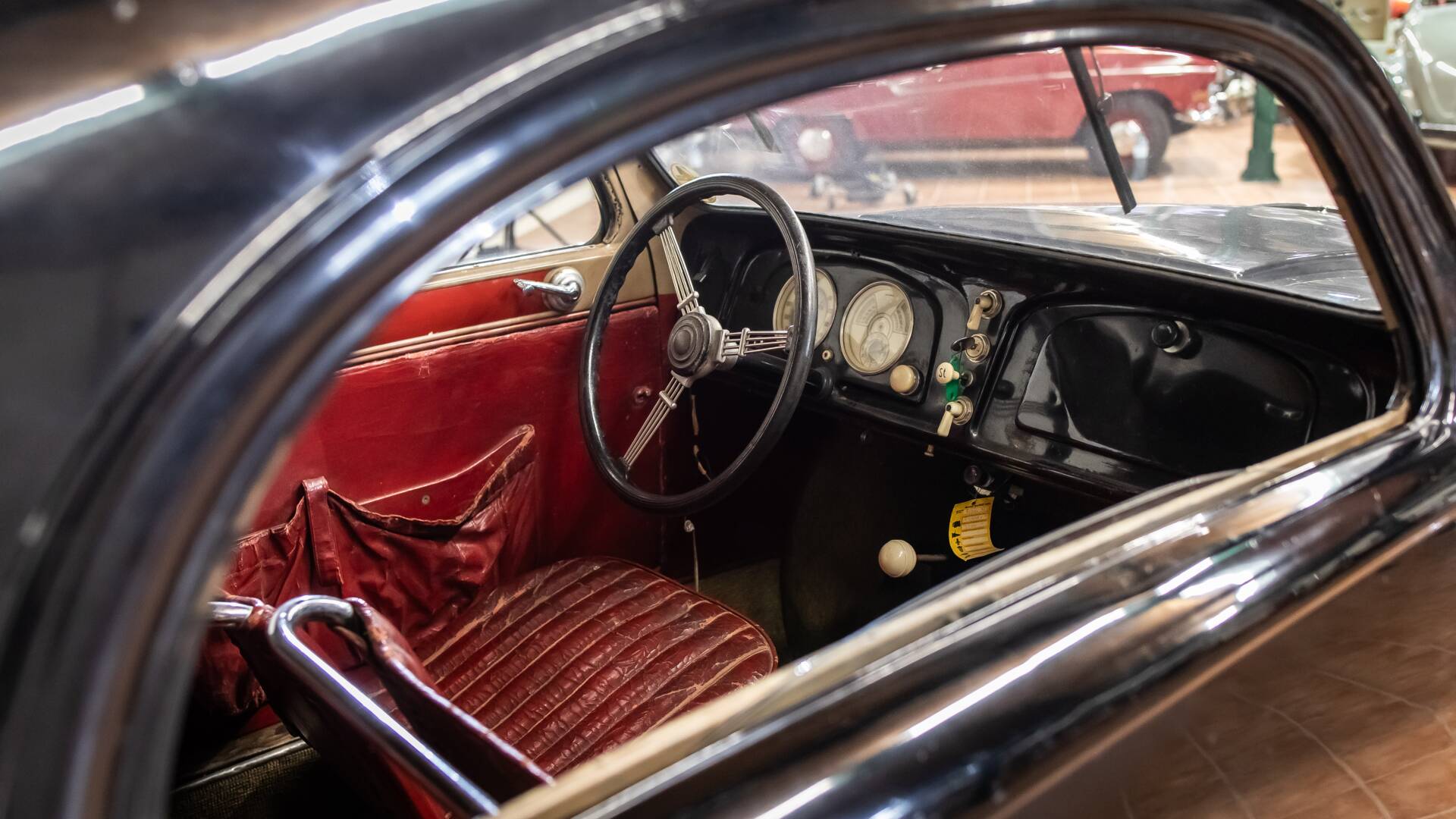
- One of these Steyr-Puch “Baby” automobiles from 1939 is up for sale at time of publication.
The business that ultimately bore the “Steyr” name has a legacy that dates back to the twelfth and thirteenth centuries making weapons, especially for the various military forces of the region throughout its history. So the name Steyr was known for this long before motor vehicles were invented.
Steyr’s beginnings as a company began with the Josef und Franz Werndl & Comp. Waffenfabrik und Sägemühle in Oberletten (Josef and Franz Werndl & Partners Weapons Factory and Sawmill in Oberletten), which subsequently became the Österreichische Waffenfabriksgesellschaft (ŒWG, Austrian Arms-Manufacturing Company), a stock company (AG) since 1869.
Werndl had a close relationship with an engineer named Ferdinand Ritter von Mannlicher and from this relationship emerged the ingenious firearms that bore the Mannlicher name: military, police, and sporting.
Among these was the Mannlicher M1895 rifle which featured a advanced straight-pull bolt action. But without doubt the Mannlicher that became an Austrian icon was the Mannlicher-Schönauer rifle which Ferdinand Mannlicher created in collaboration with Otto Schönauer.
World War I intervened and Austria found itself defeated and subject to the 1919 Treaty of Saint-Germain in the post war period, and they were prohibited from making firearms. So the management decided to re-tool the business to manufacture other goods such as bicycles, motorcycles, cars, trucks, and even railway locomotives.
Over the following years the company’s name changed to Steyr Werke in 1926, and then to Steyr-Daimler-Puch in 1934. The company was able to resume its proud heritage as an arms maker but it also built upon the diversification of the business into the other fields mentioned above.
Having become an automobile manufacturer by the 1930’s Steyr were well placed to see that ownership of automobiles was increasingly no longer the exclusive province of the rich, but that there was an enthusiasm in the governments of Austria and Germany to create motor cars that ordinary people could own and benefit from.
In Germany Dr. Porsche had been charged with the task of designing and building a “Volkswagen“, a people’s car, and the automobile he created went on to become a global success.
The Austrian equivalent of the German Volkswagen was created by a team led by Director Karl Jenschke. It was similar in size and performance to the Volkswagen but mechanically very different: this was the Steyr 50.
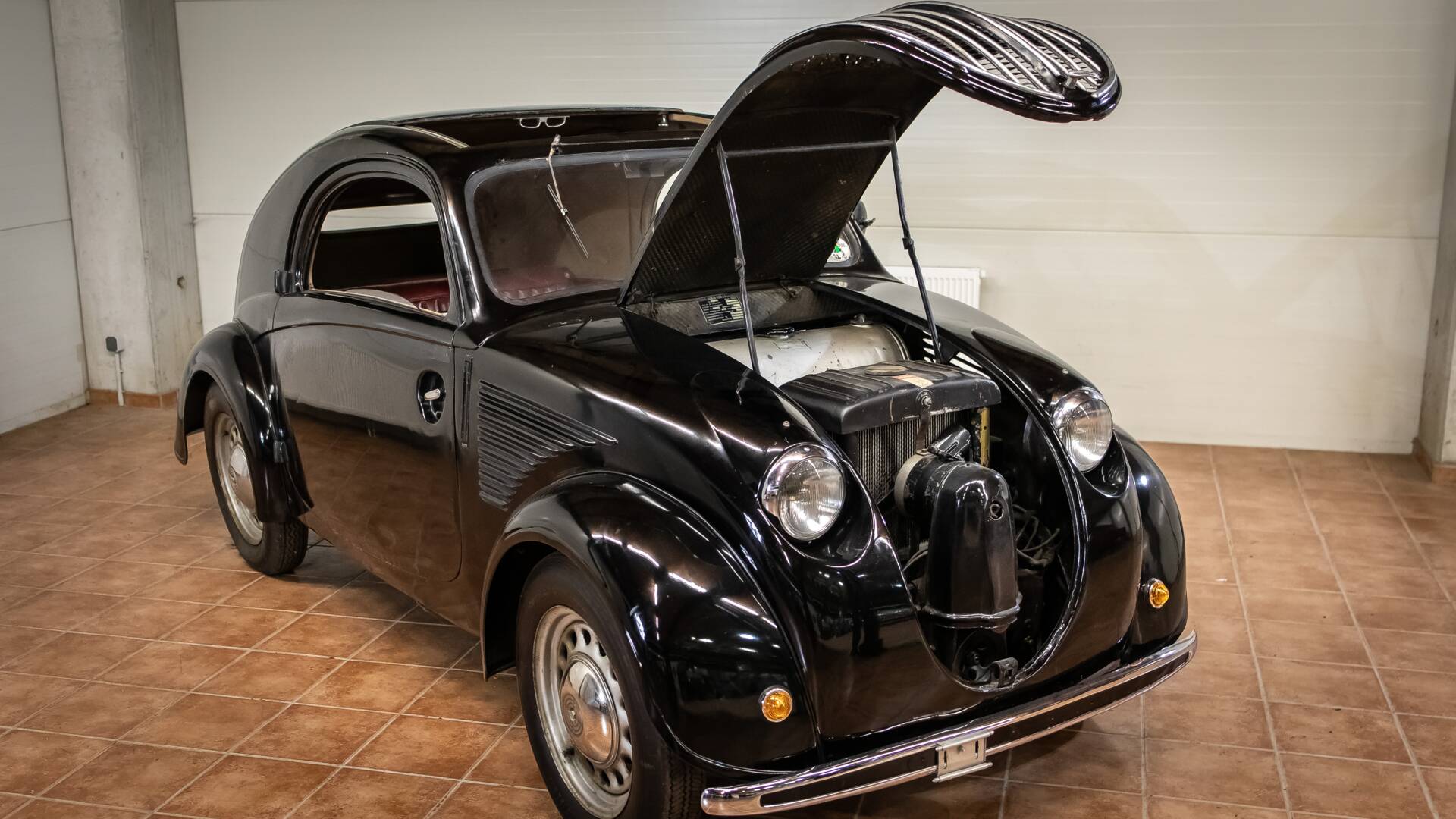
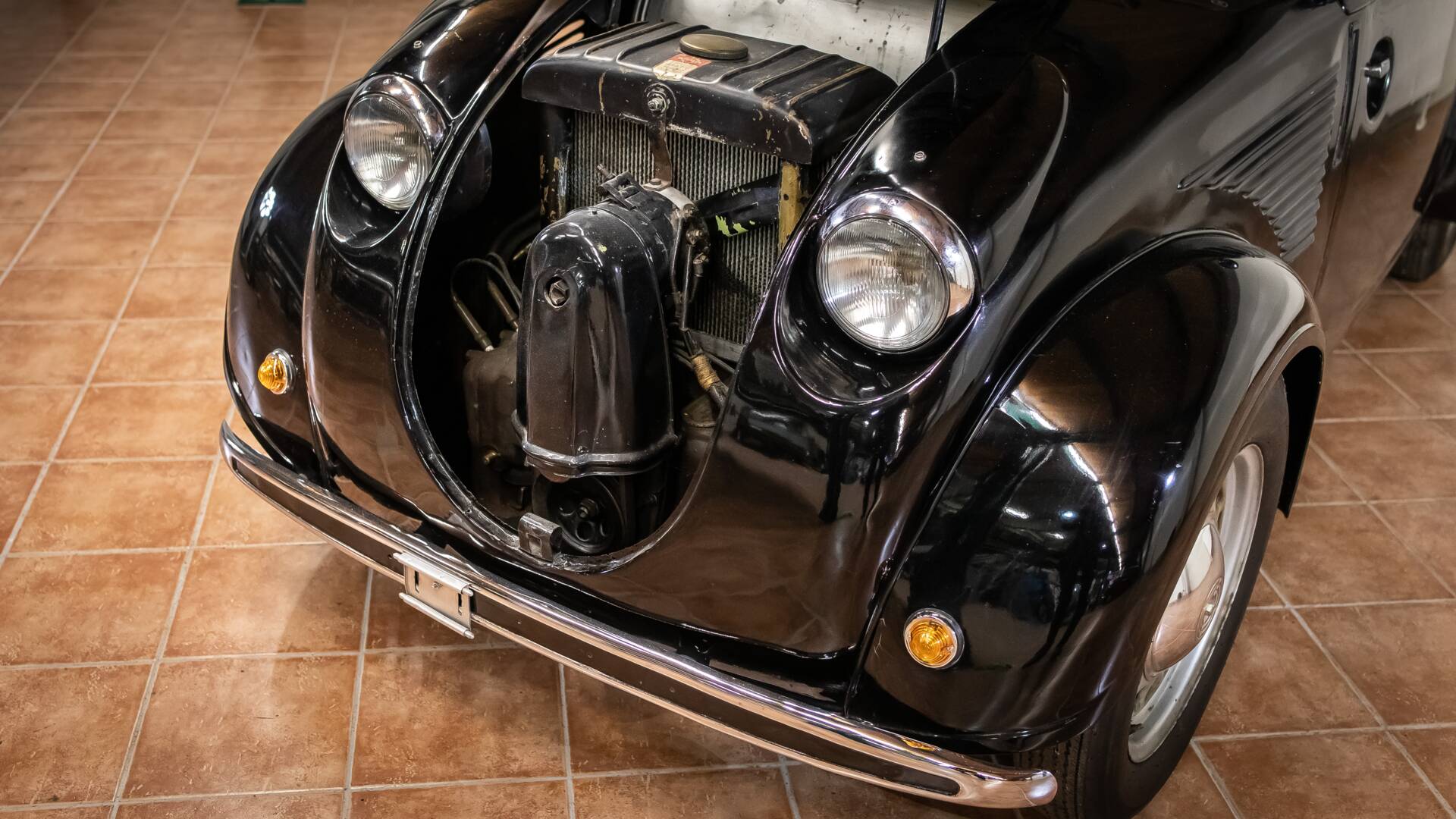
The Steyr 50 was powered by a conventional 22hp front mounted water cooled four cylinder boxer engine mated to a four speed manual gearbox which sent the drive to the rear wheels.
Electrical power was provided by a dynastarter which combined the functions of starter motor and dynamo, and the radiator fan was mounted on the same shaft.
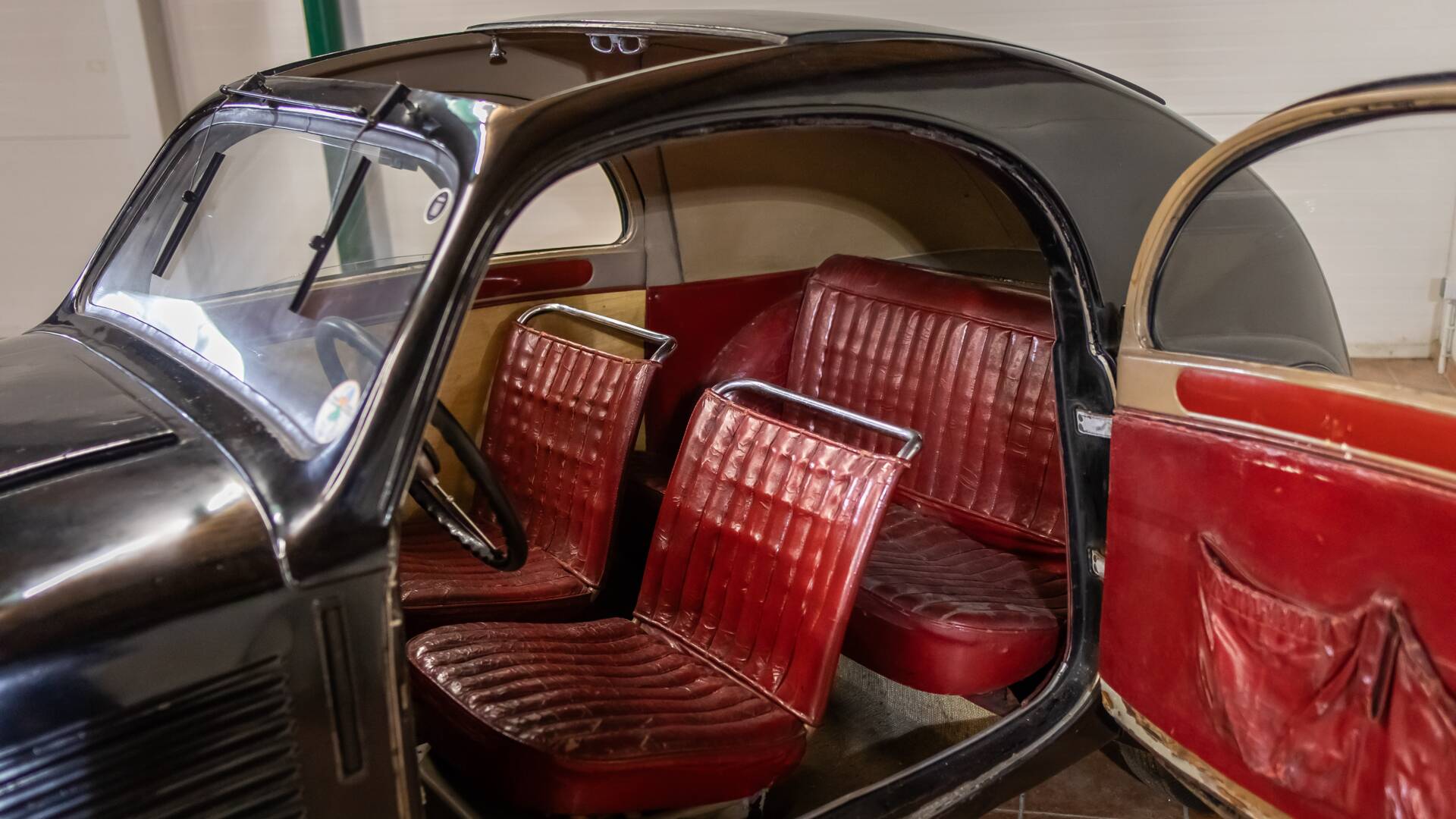
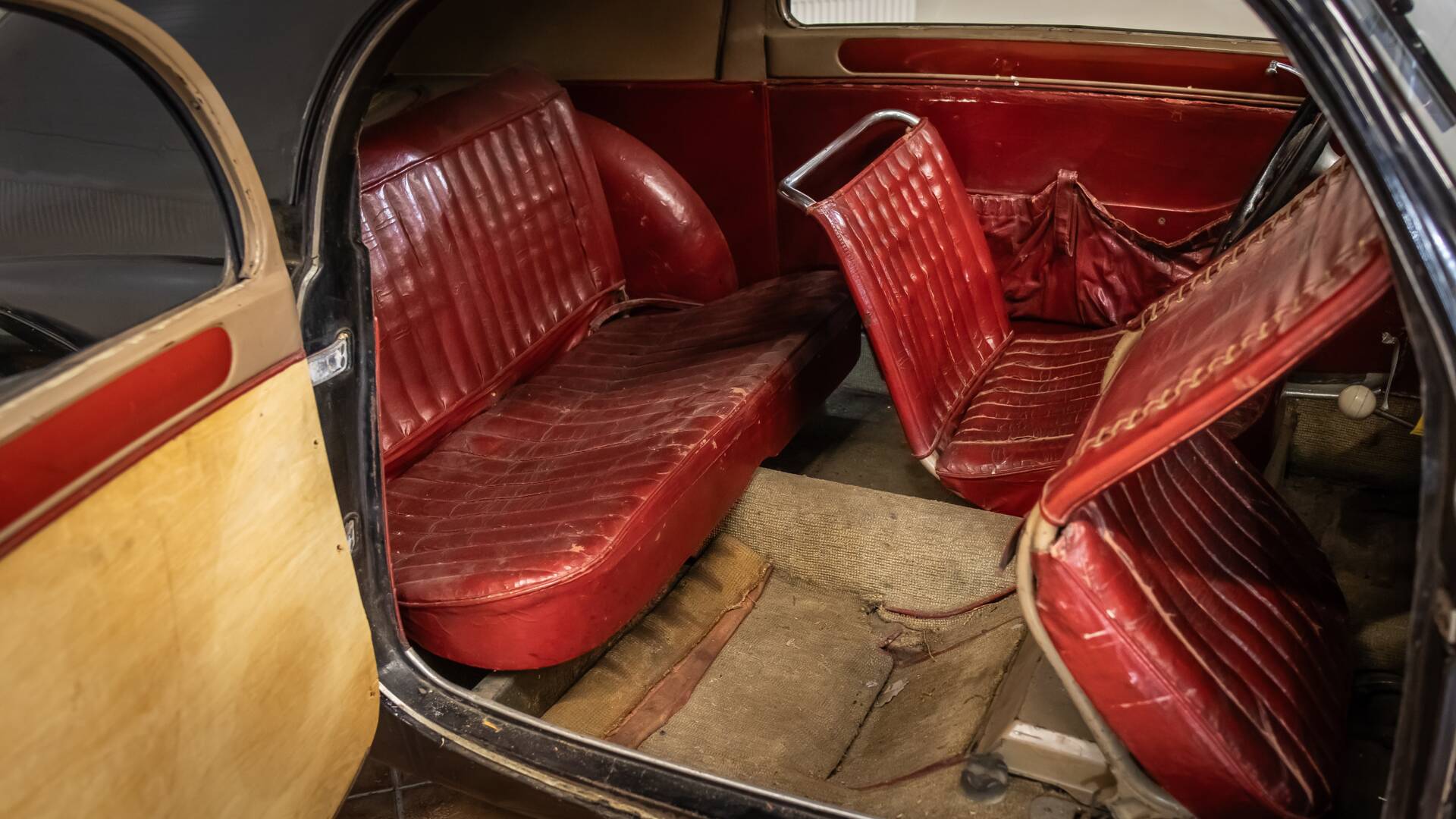
The Steyr 50 seated four and because of its front engine layout it boasted slightly better luggage space than the Volkswagen. Brakes were hydraulic as opposed to the cable brakes used on the early versions of the Volkswagen.
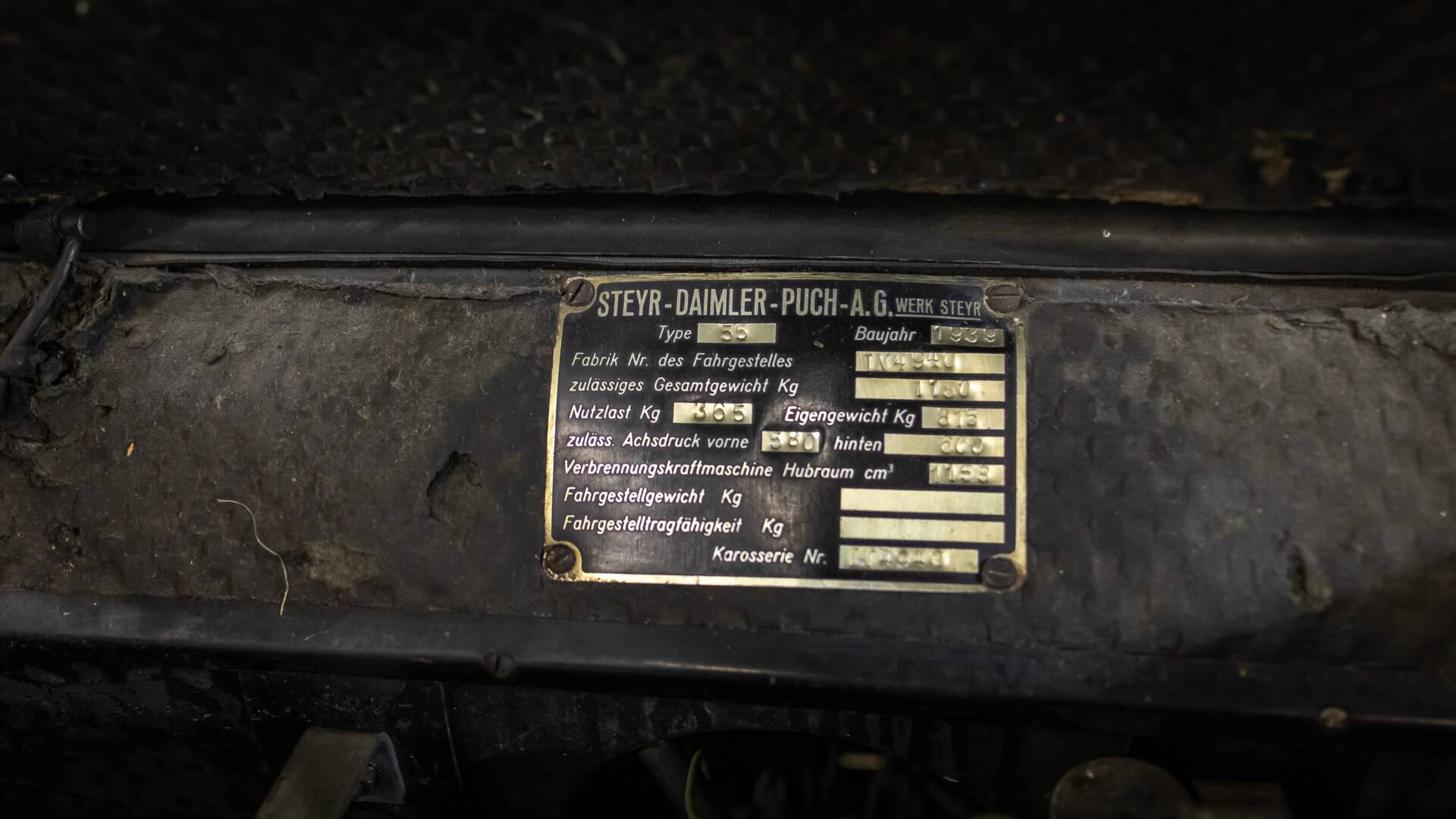
In 1938 the engineering team at Steyr improved the car lifting engine power and giving it more length. This new version was named the Steyr 55.
Both the Steyr 50 and 55 were dubbed Steyr “Babys”.
Production continued until 1940 when the exigencies of the Second World War required Steyr to focus their efforts on war production. After a production run of about 13,000 Steyr 50 and 55 Baby automobiles manufacturing of Austria’s “people’s car” ceased, and did not resume after the war.
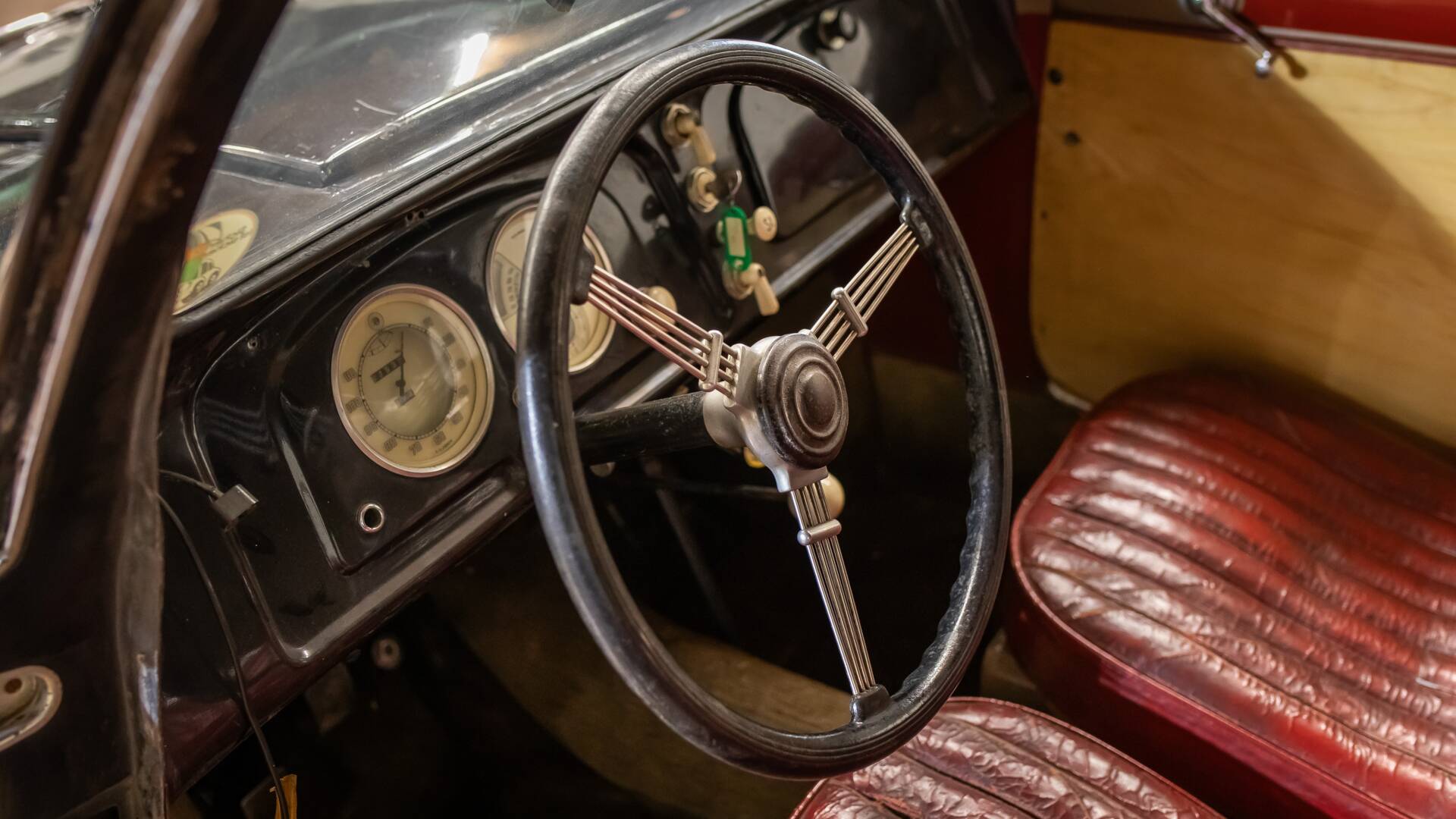
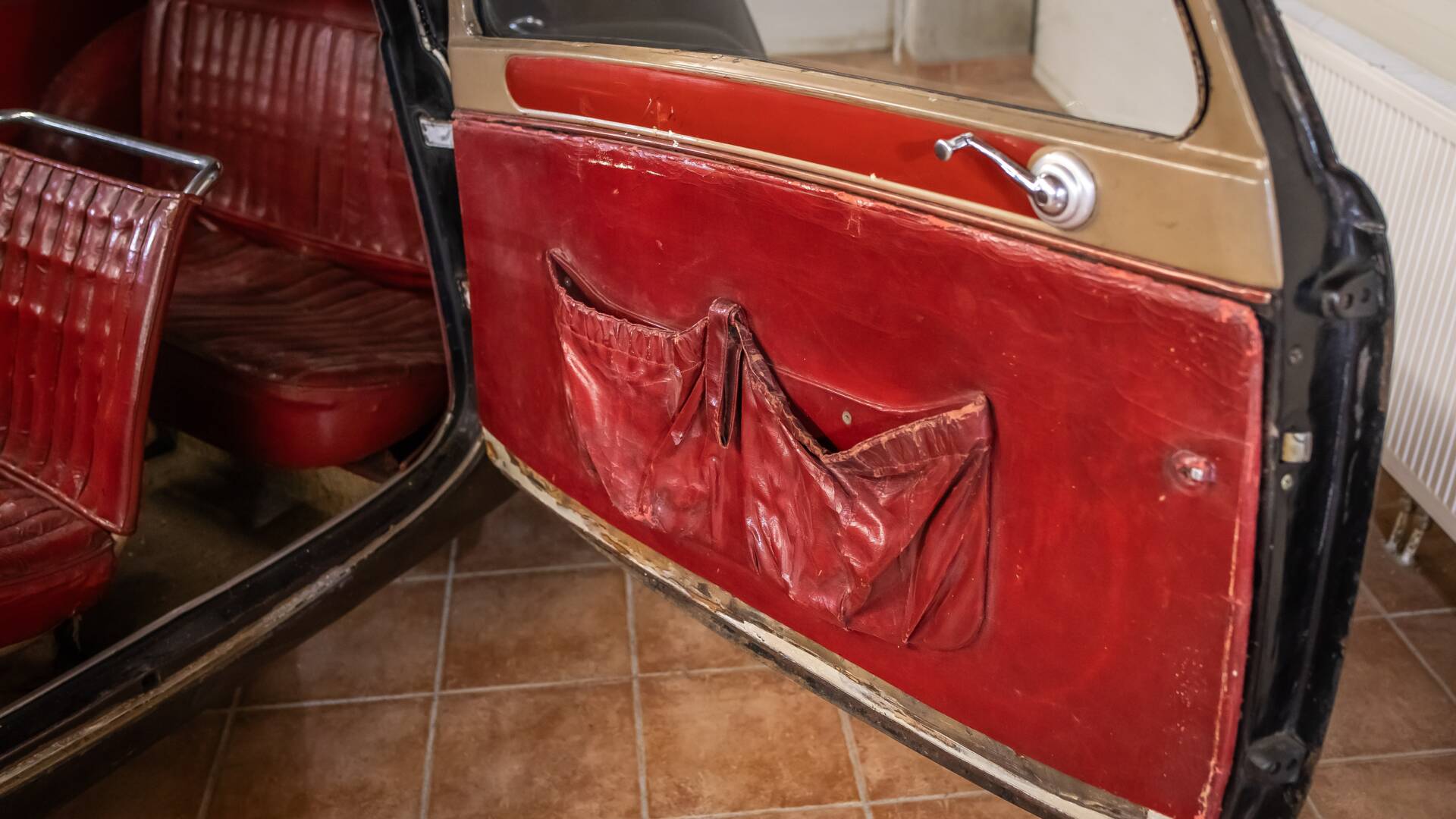
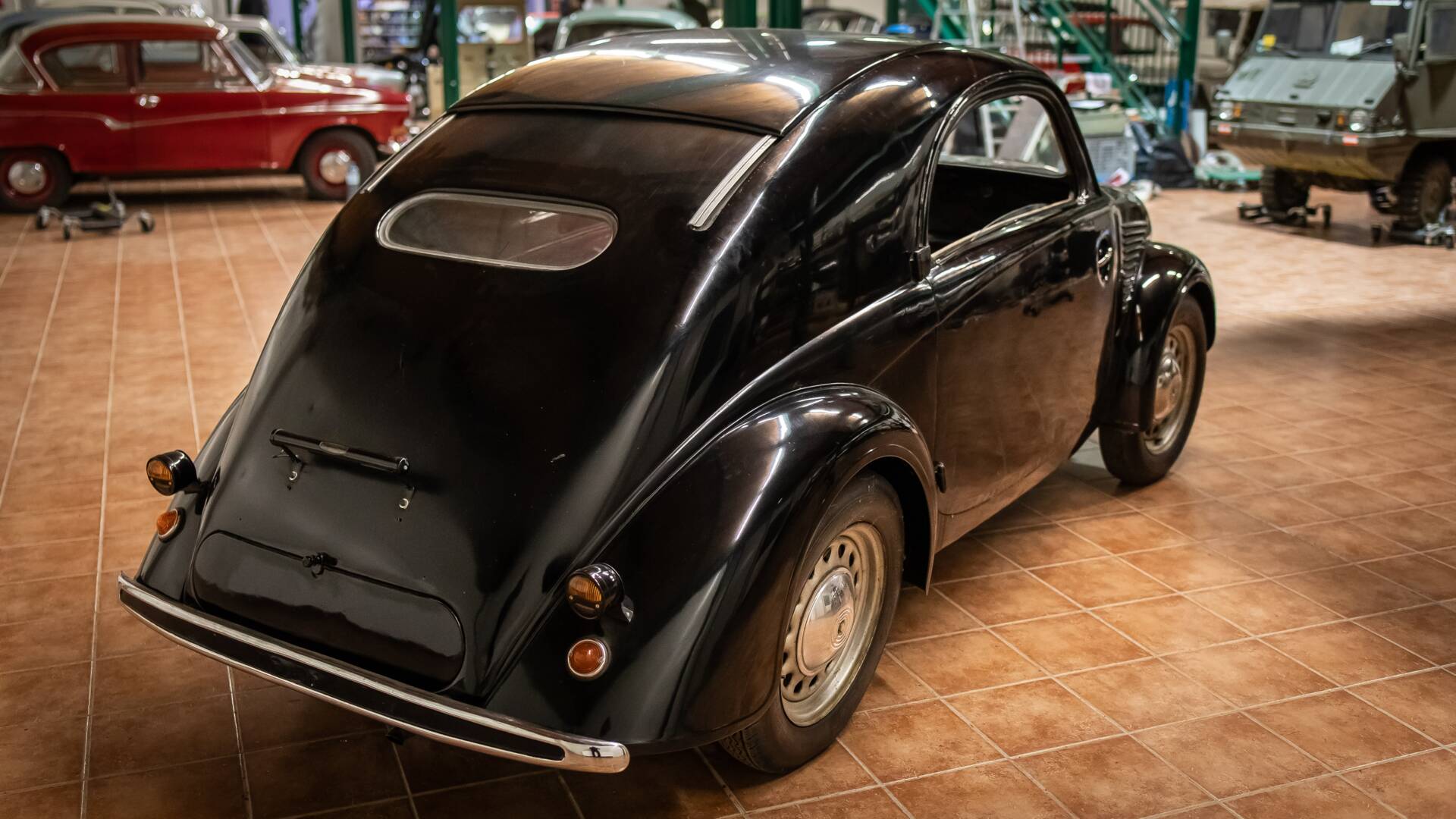
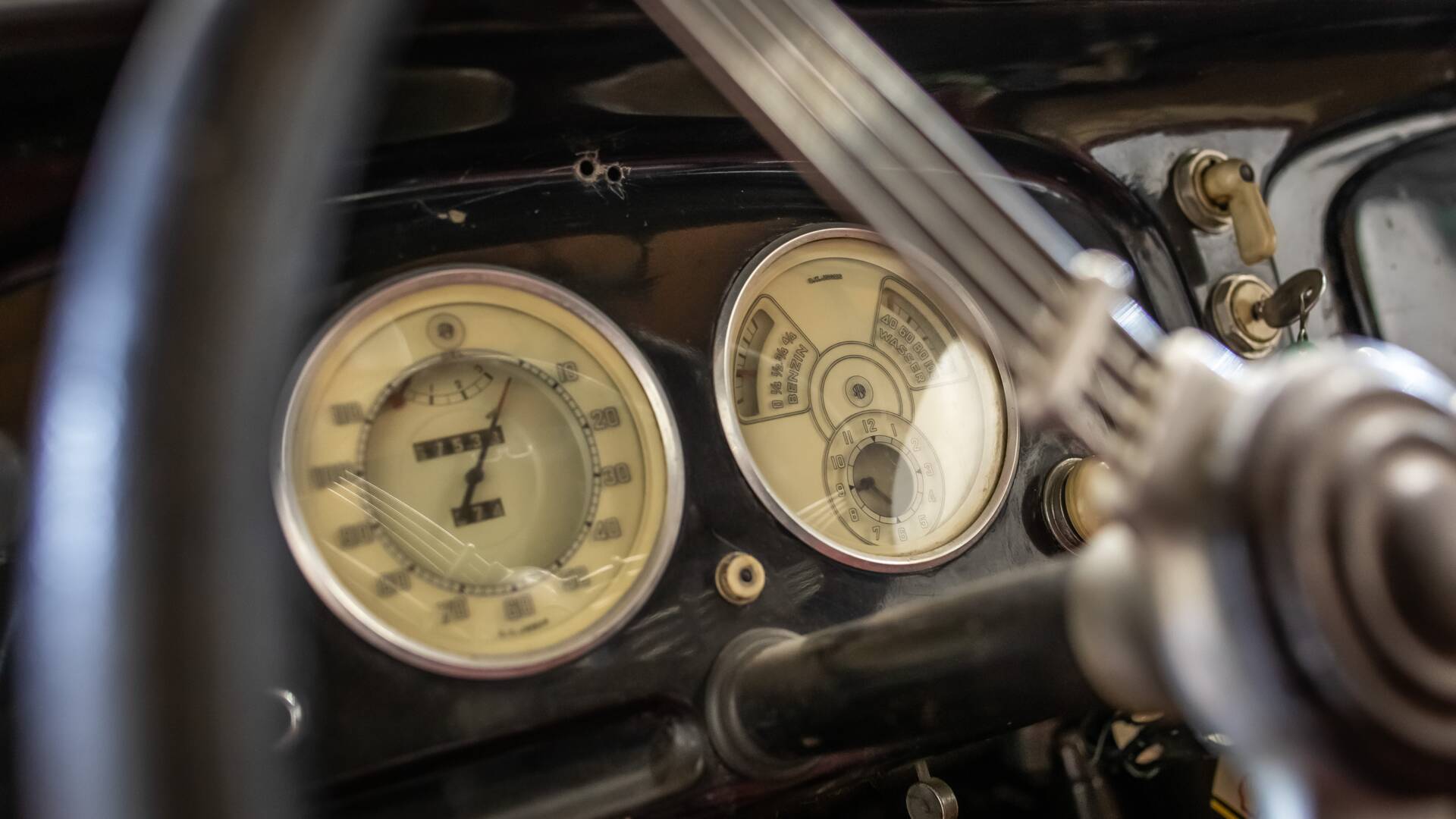
One of these rather unusual automobiles, a 1939 Steyr-Puch 55 “Baby” is for sale at the time of publication.
You can find the sale page if you click here.
The automobiles made by Steyr are a fascinating group, rather less well known than they deserve to be.
Picture Credits: All pictures courtesy Classic Trader.
Jon Branch is the founder and senior editor of Revivaler and has written a significant number of articles for various publications including official Buying Guides for eBay, classic car articles for Hagerty, magazine articles for both the Australian Shooters Journal and the Australian Shooter, and he’s a long time contributor to Silodrome.
Jon has done radio, television, magazine and newspaper interviews on various issues, and has traveled extensively, having lived in Britain, Australia, China and Hong Kong. His travels have taken him to Indonesia, Israel, Italy, Japan and a number of other countries. He has studied the Japanese sword arts and has a long history of involvement in the shooting sports, which has included authoring submissions to government on various firearms related issues and assisting in the design and establishment of shooting ranges.