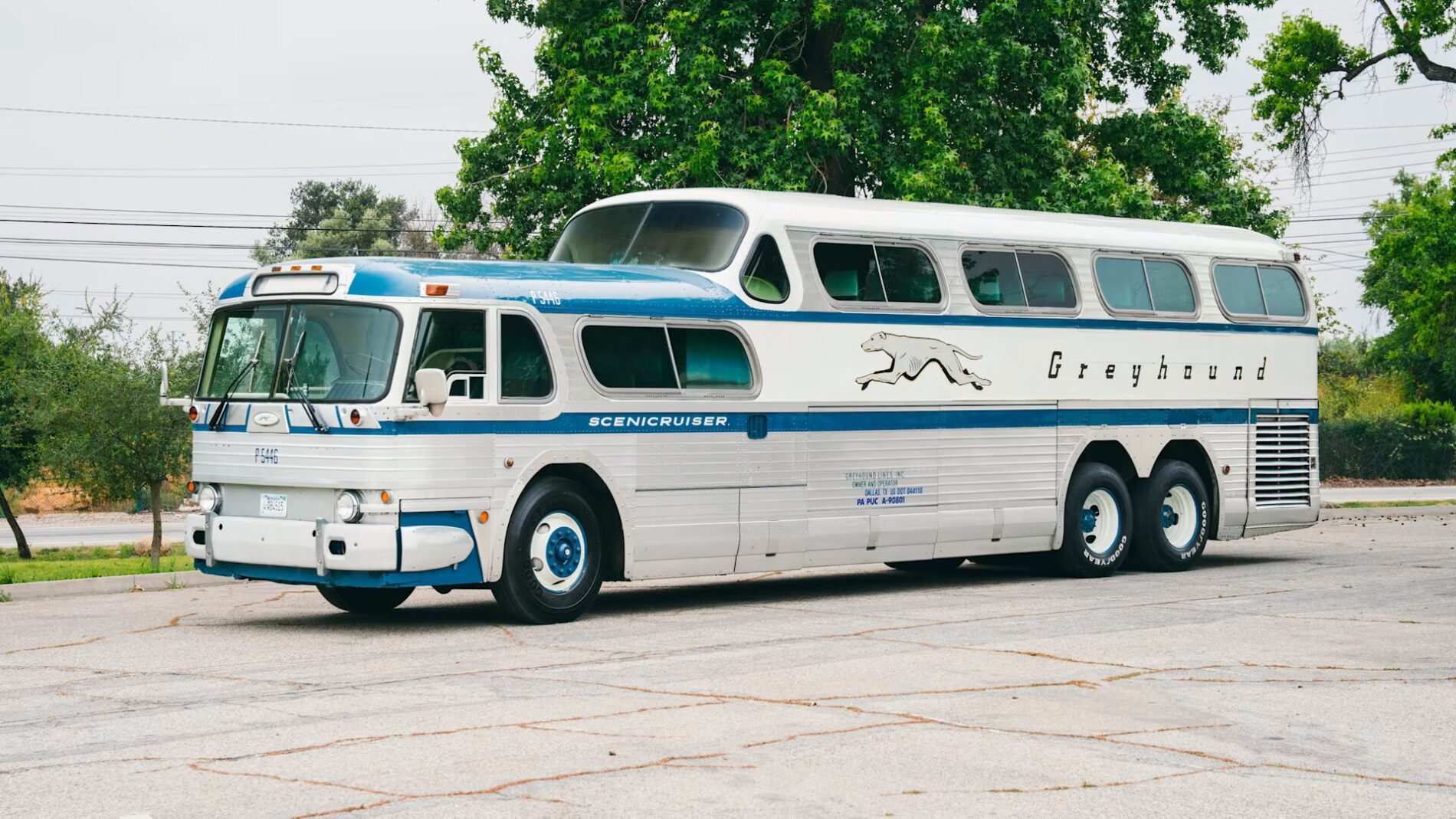
Greyhound buses became a household name in the United States, where they became a cultural icon. Of the Greyhound bus models the most famous is the Scenicruiser.
Fast Facts
- The Greyhound bus has appeared in various movies set in the United States and also gets mention in some popular songs, especially of the post World War 2 period.
- The development of Greyhound’s bus fleet in the 1940’s and 1950’s was done in collaboration with General Motors and Raymond Loewy Associates, and Greyhound’s own engineers.
- The Scenicruiser was the result of this collaborative development work.
- The first Greyhound Scenicruiser PD-4501 is for sale by Mecum Auctions at the time of publication.
The Greyhound bus became an American icon, beginning in the 1930’s with its central appearance in the 1934 “It Happened One Night” starring Clark Gable and Claudette Colbert, and in such post war movies as Alfred Hitchcock’s “North by Northwest” of 1959, and the 1969 movies “The Sterile Cuckoo”, and “Midnight Cowboy” for example.
The Greyhound bus features in popular songs also: one of my favorite Simon and Garfunkel songs is “America“, the story of which takes place on a Greyhound bus heading for Pittsburgh.
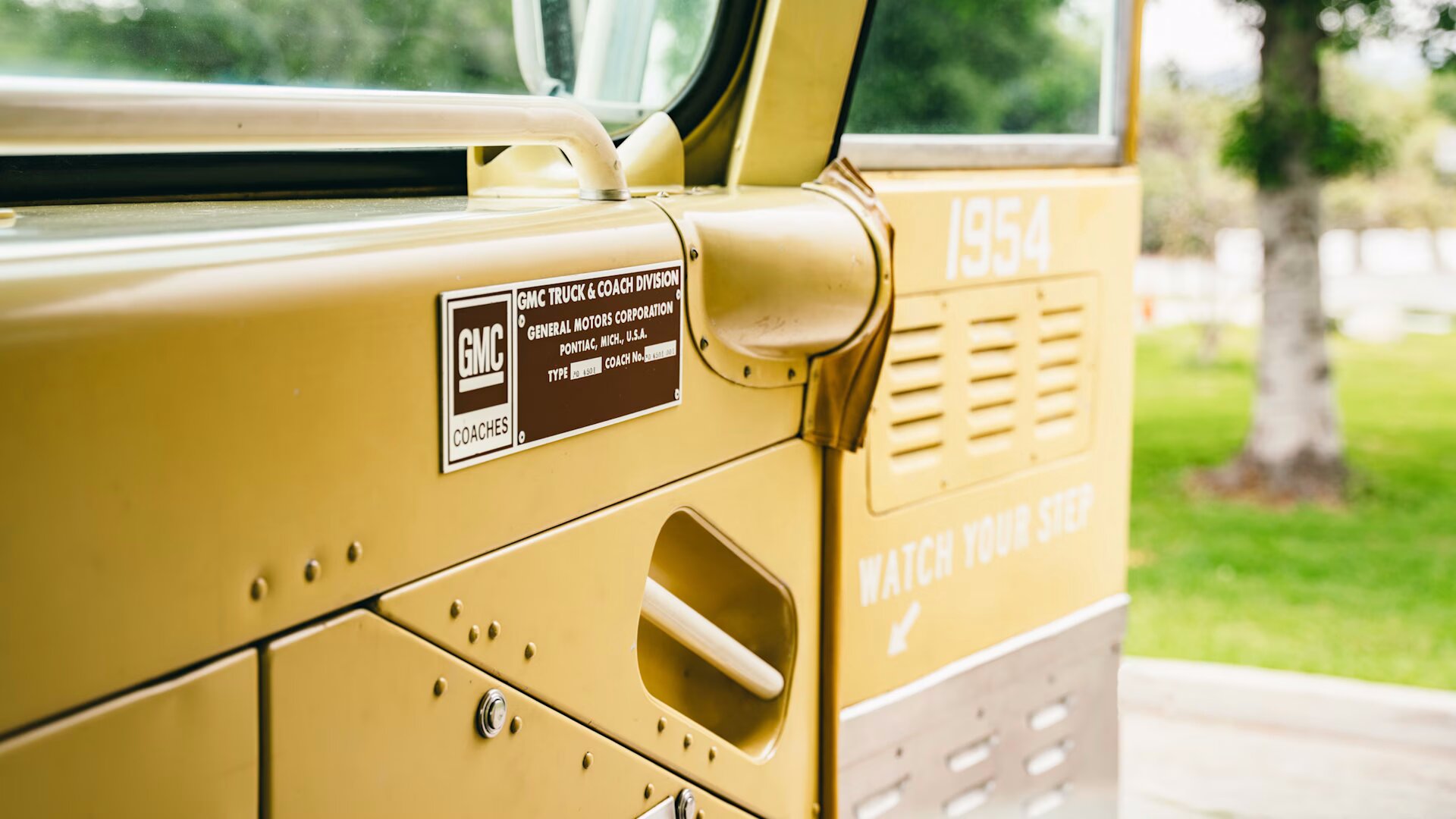
Perhaps the most famous of the Greyhound buses of this era was the Scenicruiser which entered service in 1954. This bus was a significant step forward for Greyhound Corporation: a step that they had spent years working on the concept of their new bus for the post-war era.
The process that led to the creation of the Scenicruiser began with the collaborative work of Orville S. Ceasar and famous American industrial designer Raymond Loewy. Loewy was responsible for many of the most famous creations of American industry including the Studebaker Golden Hawk and the “Shark Nose” Pennsylvania Railroad’s T1 Duplex.
Ceasar and Loewy’s first design was for a split level double deck bus which was designated the GX-1
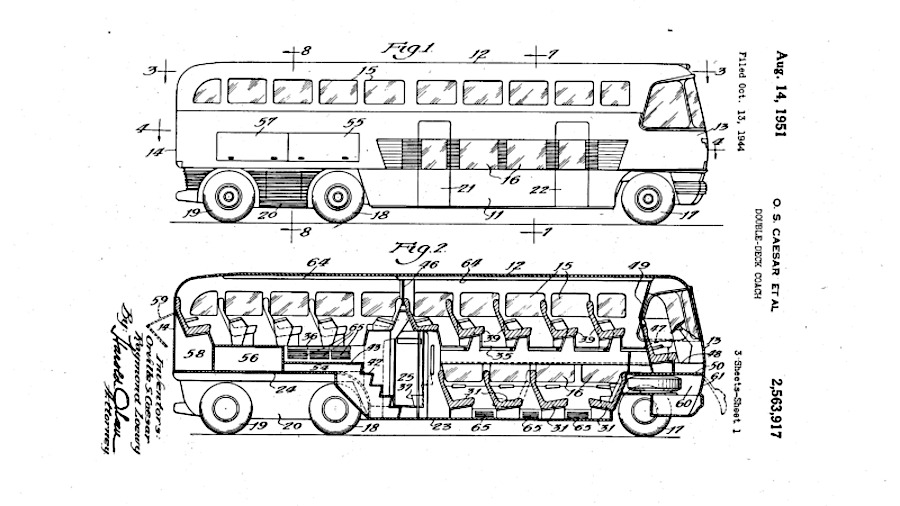
This GX-1 (Greyhound eXperimental 1) design had features similar to the double decker passenger train cars that were appearing in the US and overseas . The driver position was set at the intermediate level about the same height as for a conventional truck cab. While this design looked to be a step in the right direction it’s significant disadvantage was its lack of space for passenger luggage.
This design underwent testing and improvements over a period from the early 1940’s until in 1948 it was debuted as the “Highway Traveler” seating 50 passengers: 13 in the lower deck “Sedan Lounge”, 31 in the upper level “Terrace Lounge”, and 6 in the upper level “Fore Lounge”.
This bus was powered by twin Franklin 335 (6A4-150) horizontally opposed, six cylinder, air-cooled aircraft engines. This bus model was given air-suspension jointly created and developed by Greyhound engineer Milo Dean who worked with General Motors engineers Nils Thunstrom and Norman Martin.
The GX-1 was however not to become the iconic Greyhound bus, there was room for improvement and by 1947 work was underway on a GX-2 model. This bus was to be longer and created in a “deck and a half” split level style, with a lower front section and raised rear section. This profile provided more space for passenger luggage while retaining the necessary room for engine(s) and suspension.
It would be the GX-2 that would be the basis for the creation of the Greyhound Scenicruiser. It was created as a project jointly by the Chicago Greyhound Motors & Supply Company in cooperation with Raymond Loewy Associates and General Motors.
It was powered by twin General Motors 6-71 inline six cylinder driving the rear axle via a four speed manual gearbox and two speed clutch. That rear axle was fitted with dual wheels/tires, and ahead of it was a non-powered axle with single wheels/tires.
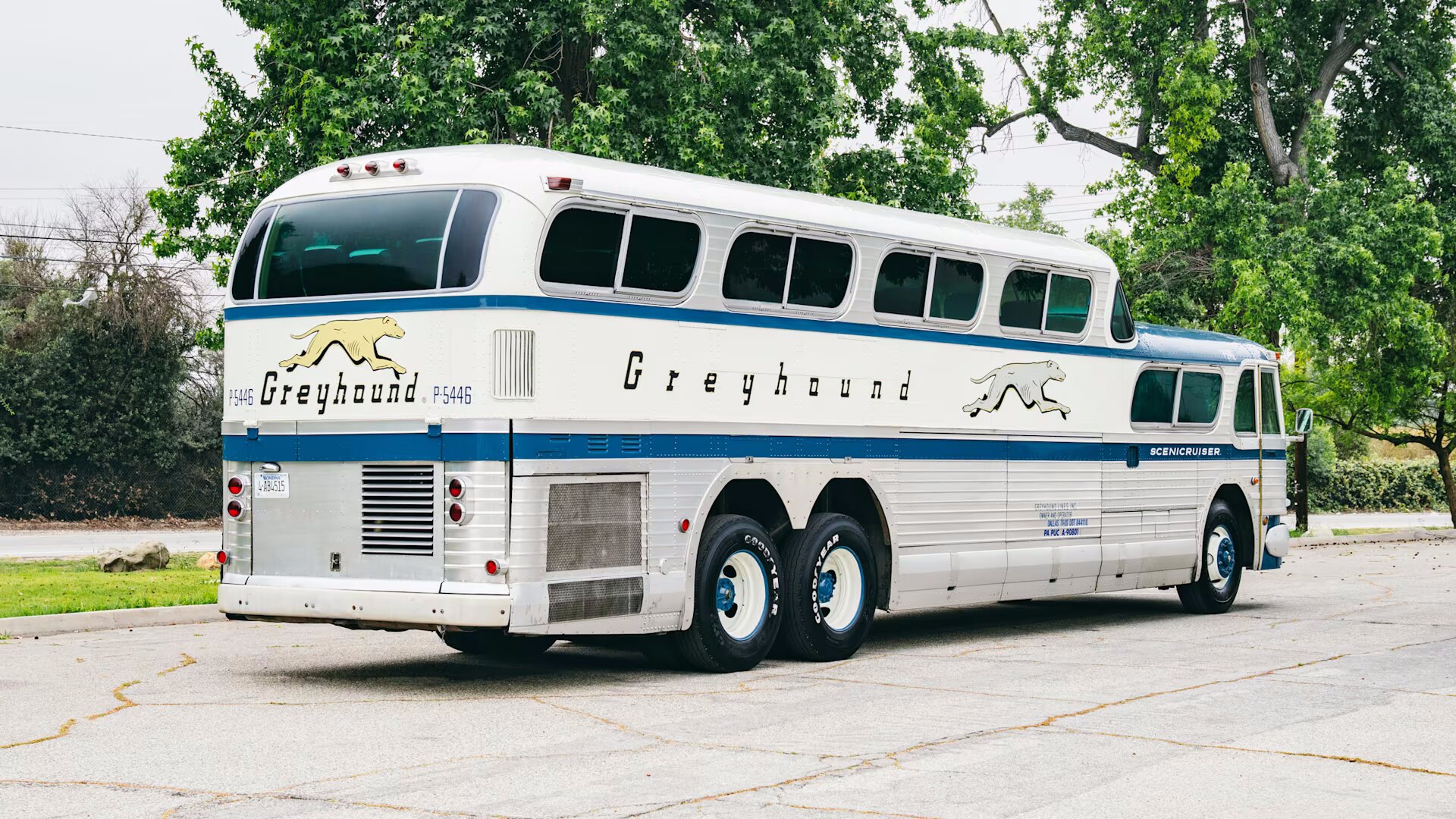
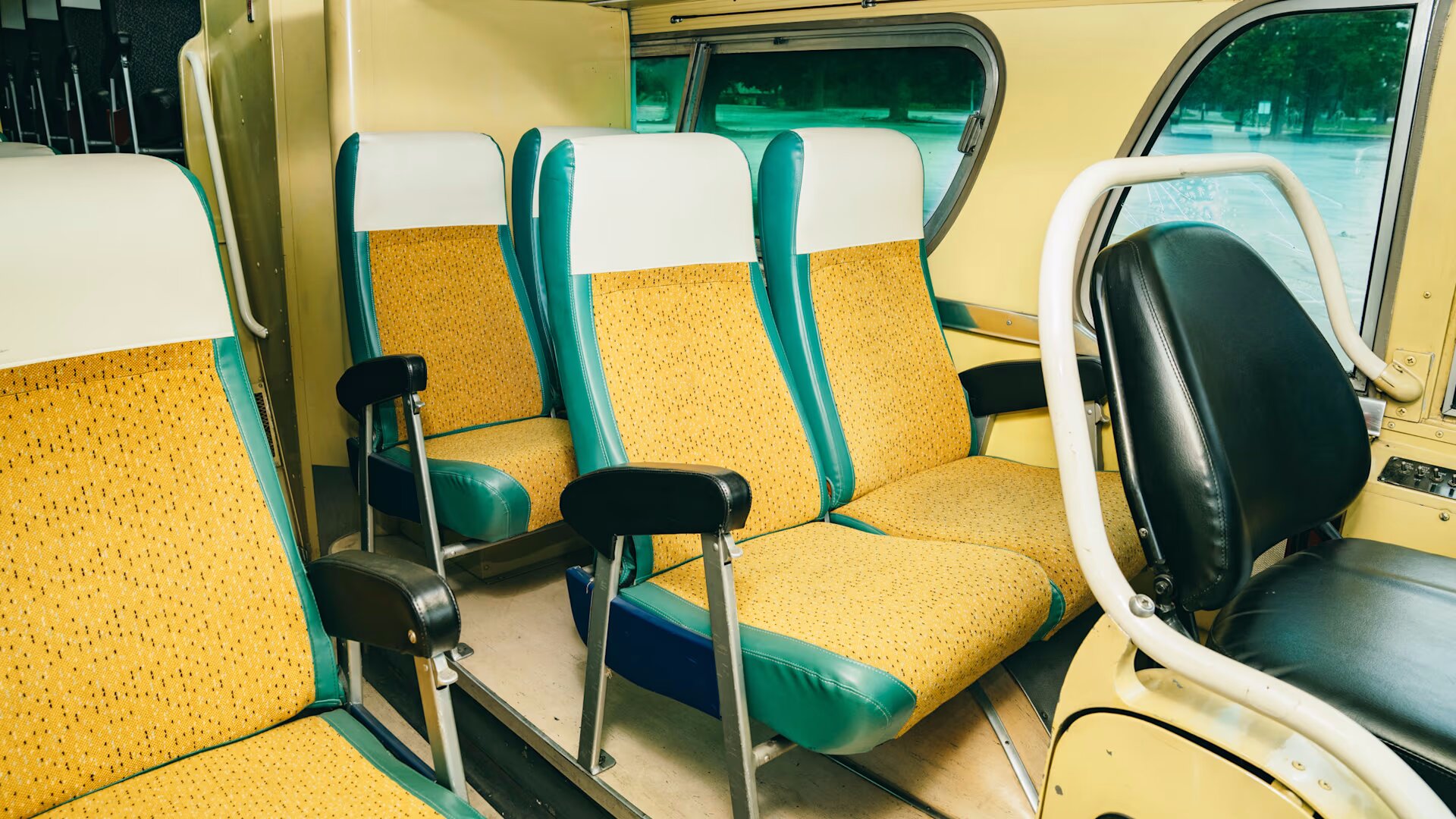
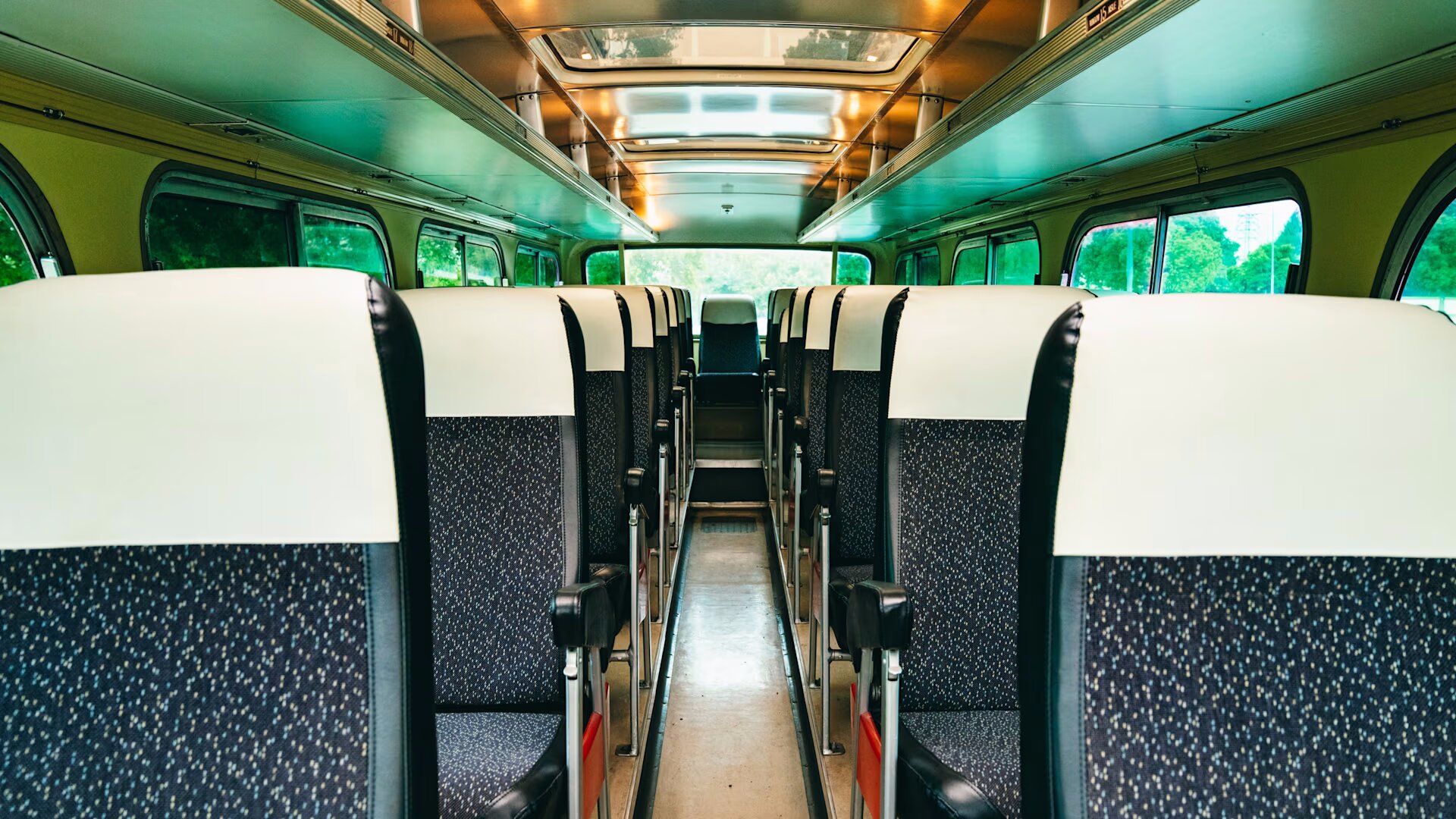
Seating was for 10 passengers on the lower level behind the driver, and 33 on the upper level, which had a large windscreen so passengers had a nice view forward of the road and scenery they were passing through.
Greyhound still had their eye on improving this design and so the final production model had some significant changes to its mechanical layout.
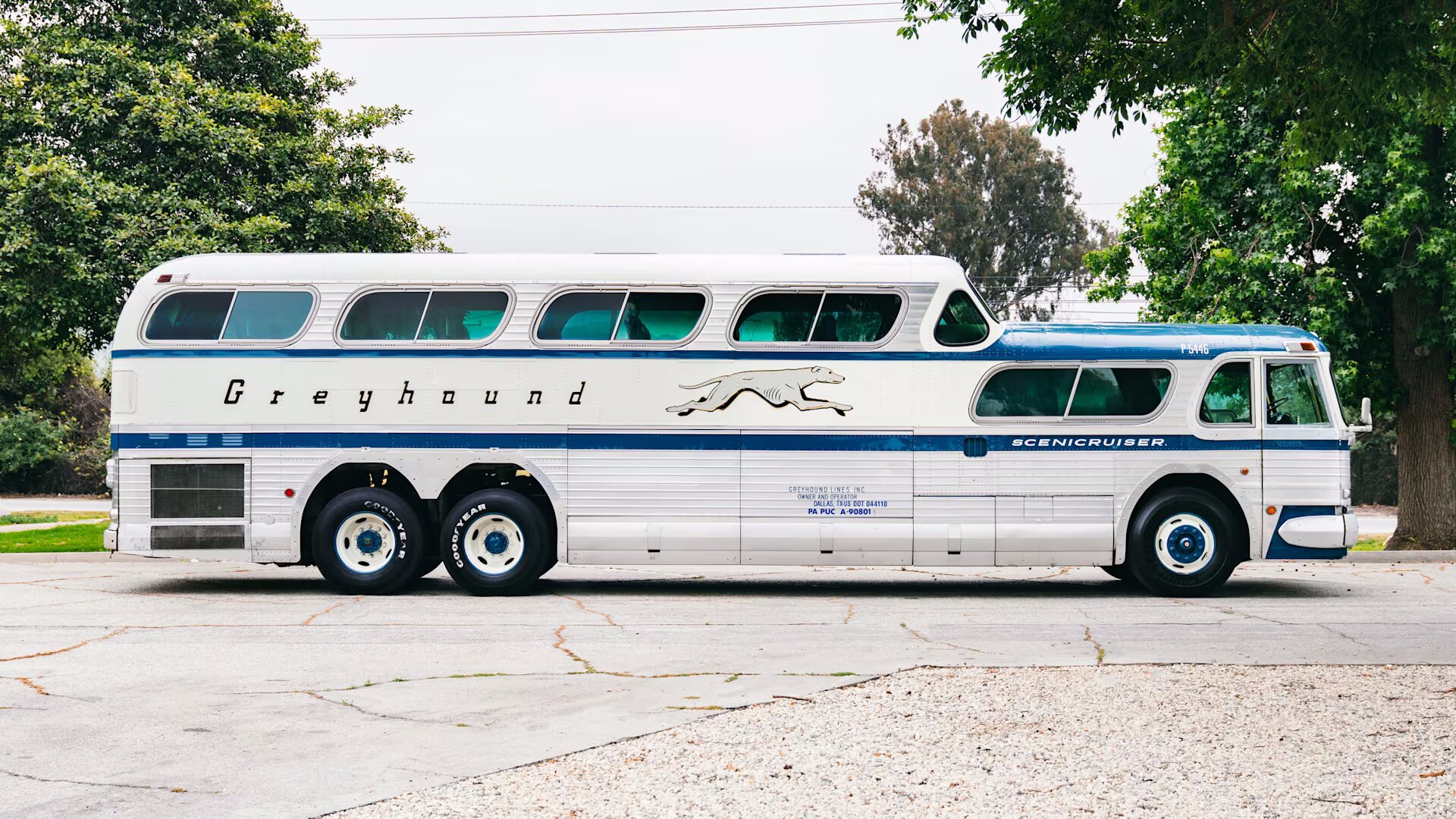
Both the rear axles were fitted with dual wheels/tires, and the drive was to the forward of the two axles. The engines were General Motors 4-71 diesel driving through a three speed gearbox with two speed clutch.
This vehicle was given the designation PD-4501 indicating it as a “Production Design” as opposed to being experimental. It provided seating for 43 passengers, and had adequate room for their luggage. People taking a Greyhound bus were often relocating and needed to take a decent supply of belongings with them.
The PD-4501 was equipped with the air-suspension system for ride comfort, and it also boasted air-conditioning.
The PD-4501 entered service in 1954 but, because it was a pioneering design, technical gremlins reared their ugly little heads and some problem shooting was needed to fully finalize the Scenicruiser such that it became such a successful bus, and Greyhound icon.
The twin engine system was made to drive via a two speed clutch giving six forward speeds. However the clutch for the first PD-4501 was an electronically operated one that did not allow the driver to operate it smoothly – it was either in or out – resulting in jerky starts, annoyed passengers, and annoyed drivers.
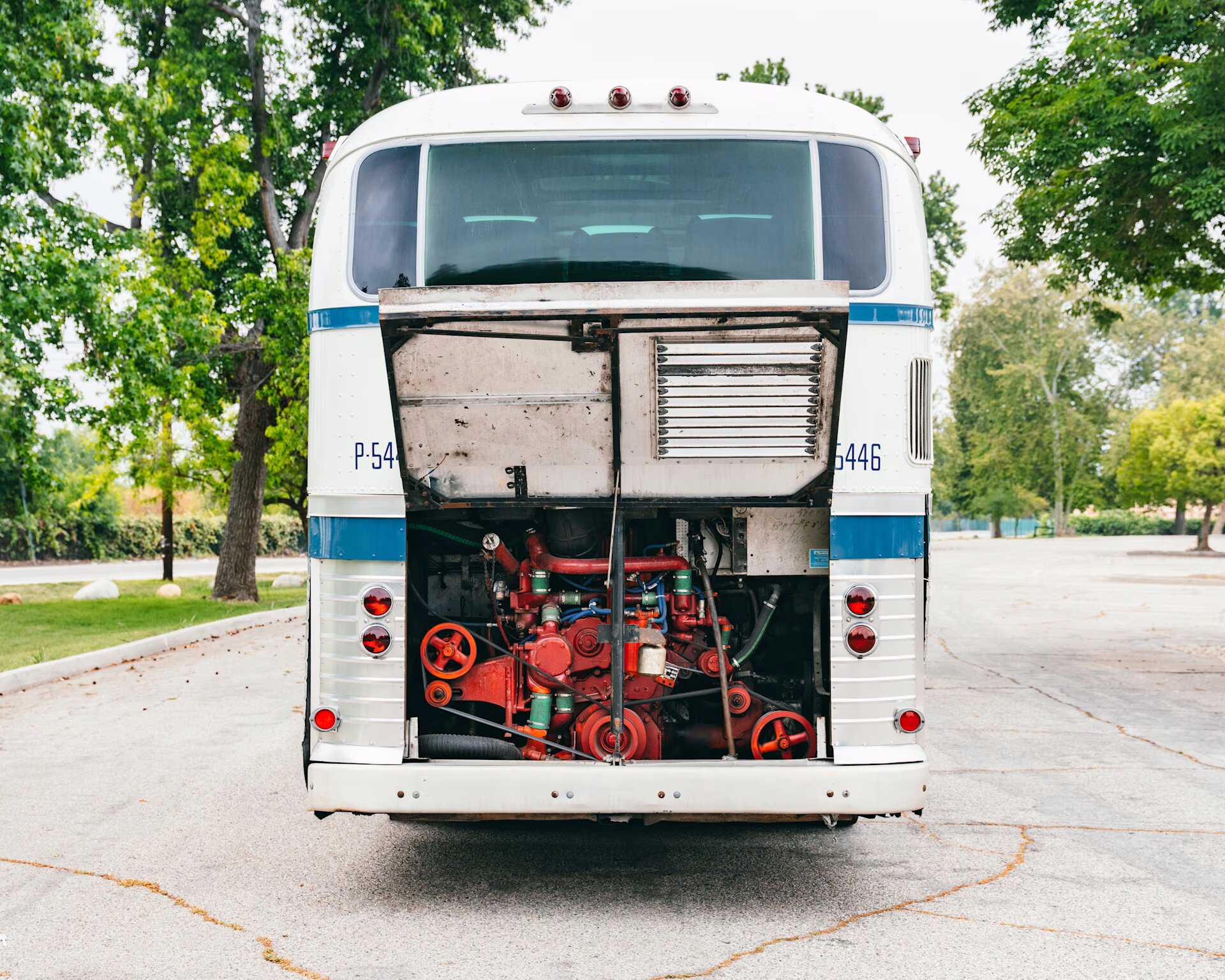
That problem was addressed by replacing the electrical clutch with a manual one. The twin engine setup was also done away with and the Scenicruiser was powered by a 9.3 liter (568 cu. in.) GM 8V-71 V8 diesel engine mated with a Spicer four speed manual transmission. This change was made in 1961-1962 and resulted in happy drivers, and happy passengers.
1954 PD4501 Scenicruiser Greyhound Bus For Sale
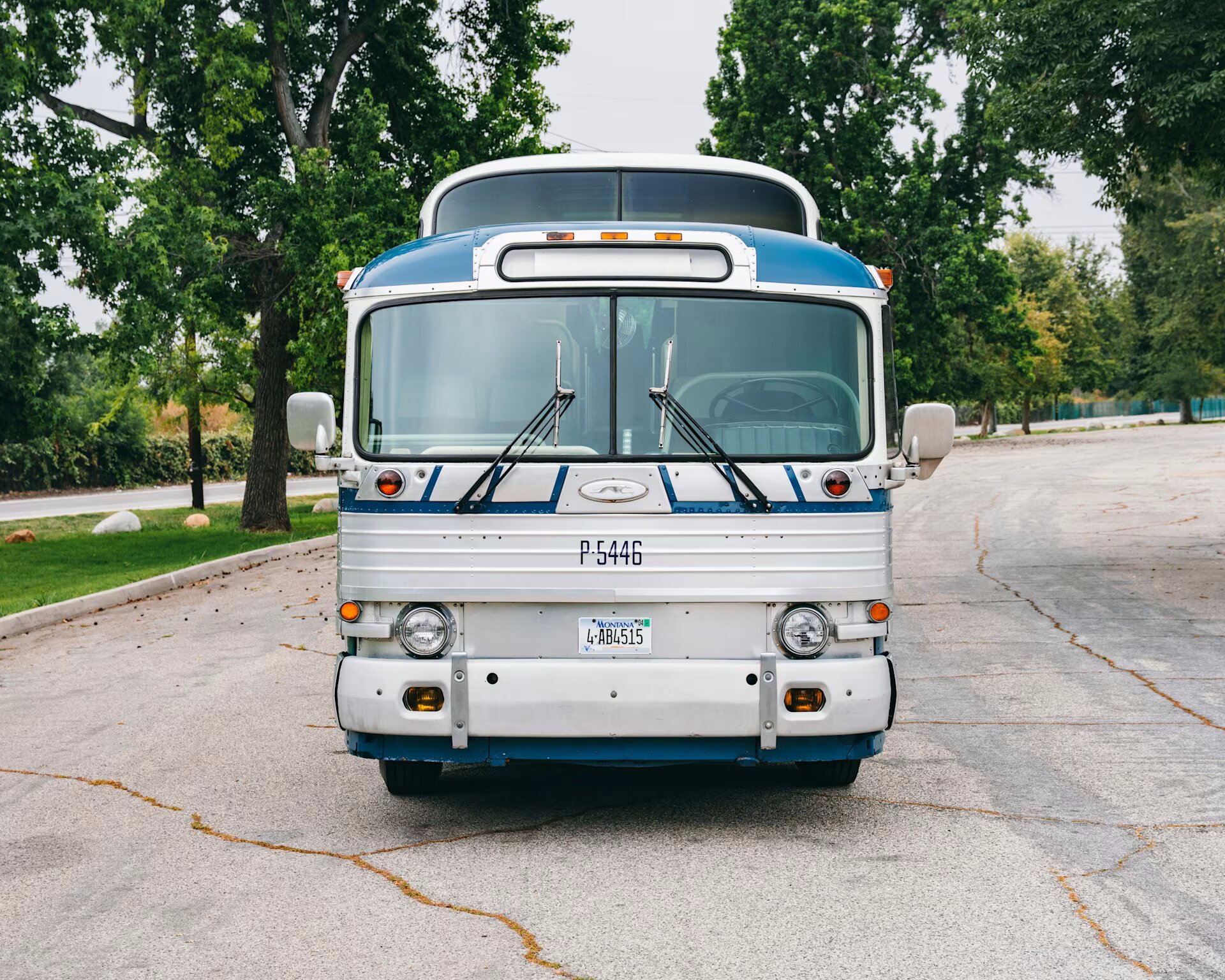
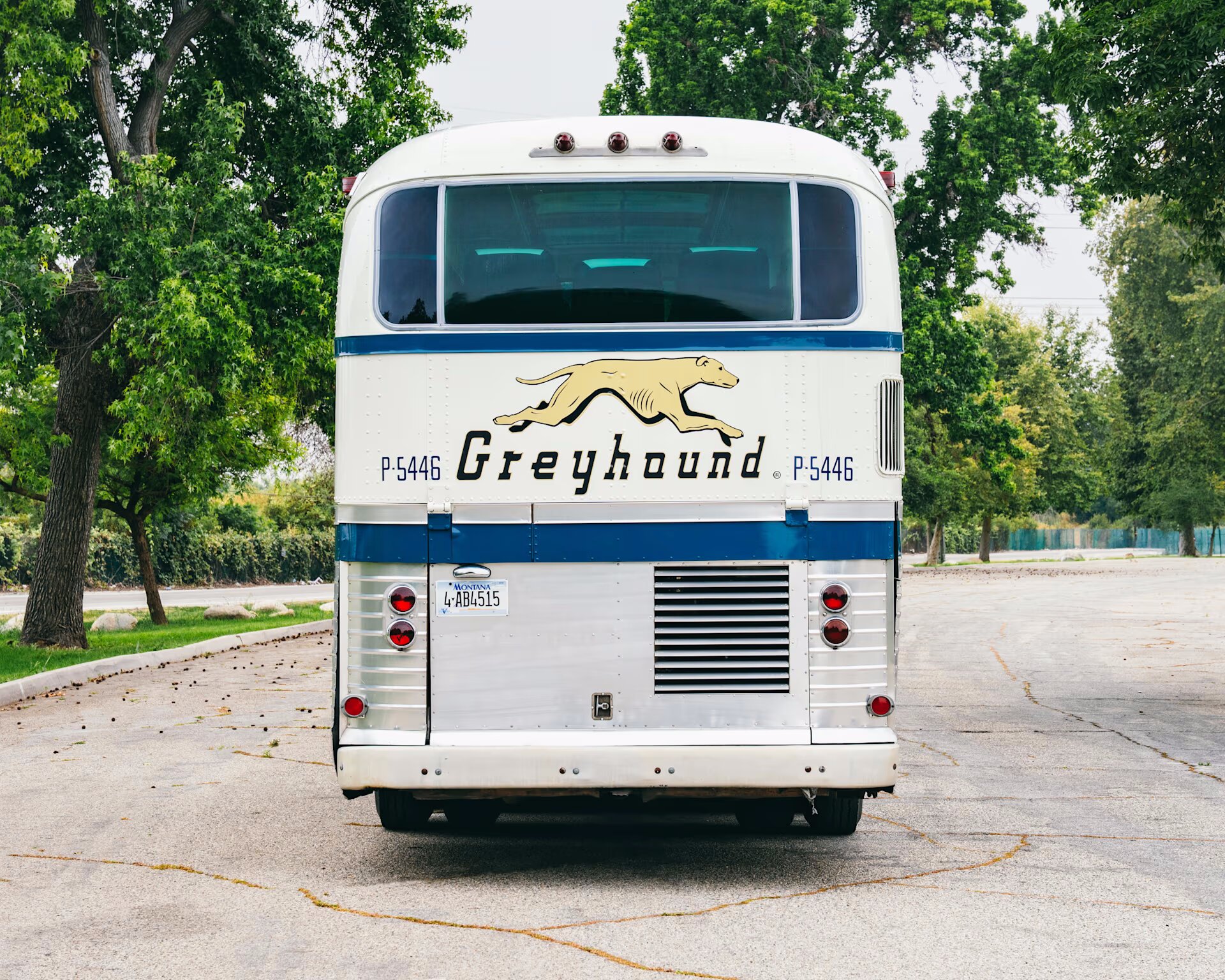
The first of the PD4501 Scenicruiser Greyhound buses built is for sale by Mecum Auctions at time of publication. This bus is No. 001.
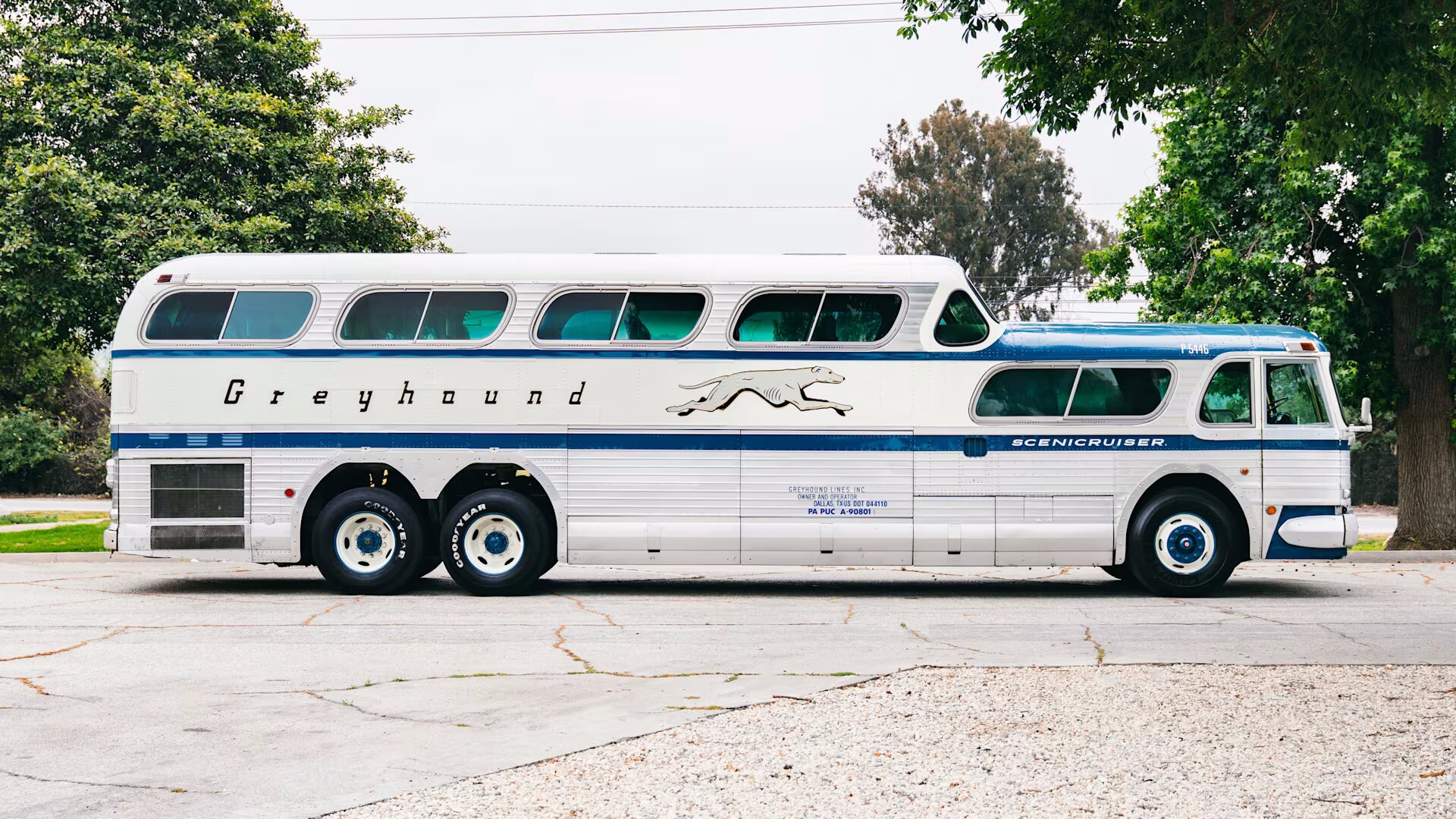
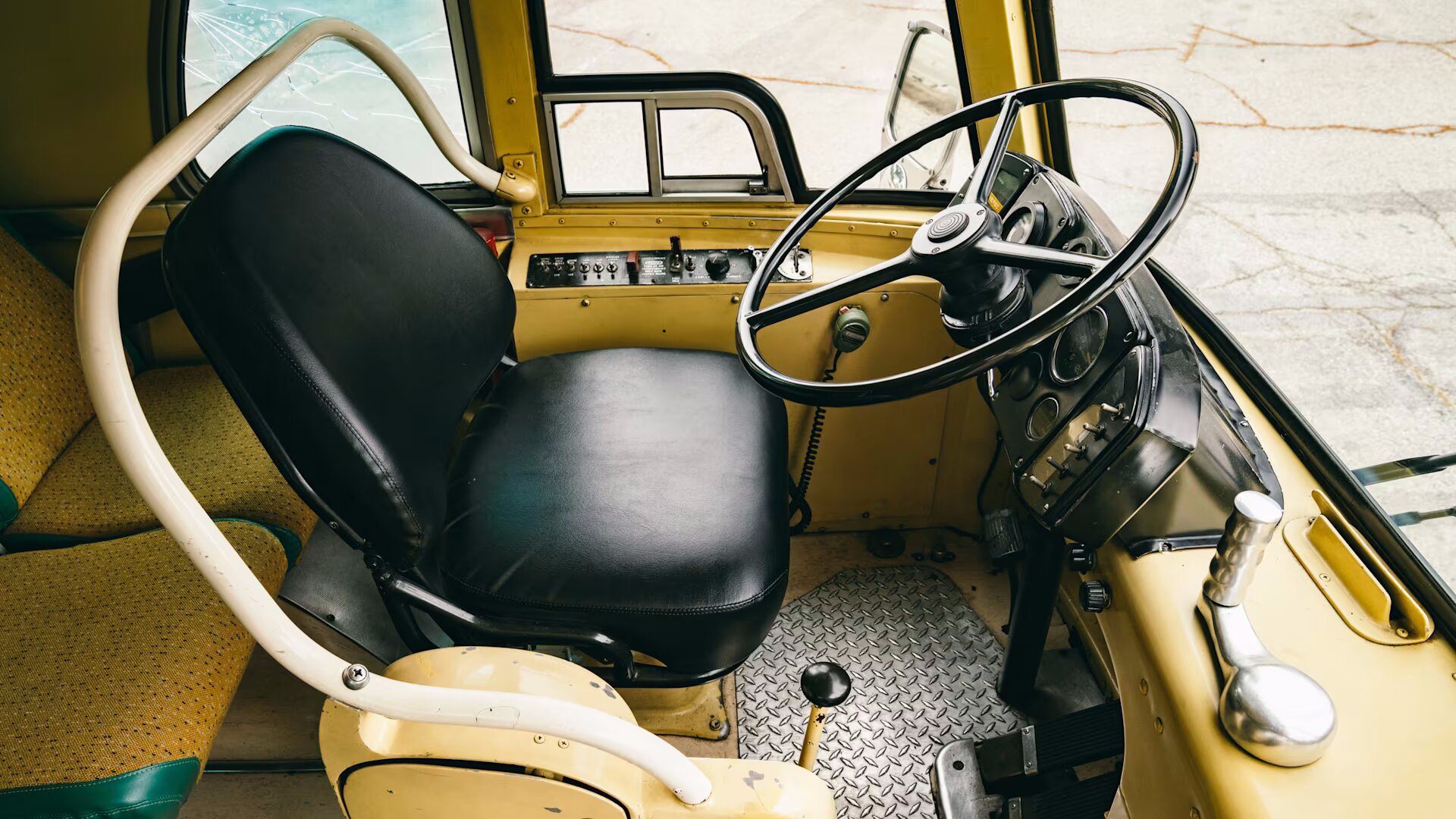
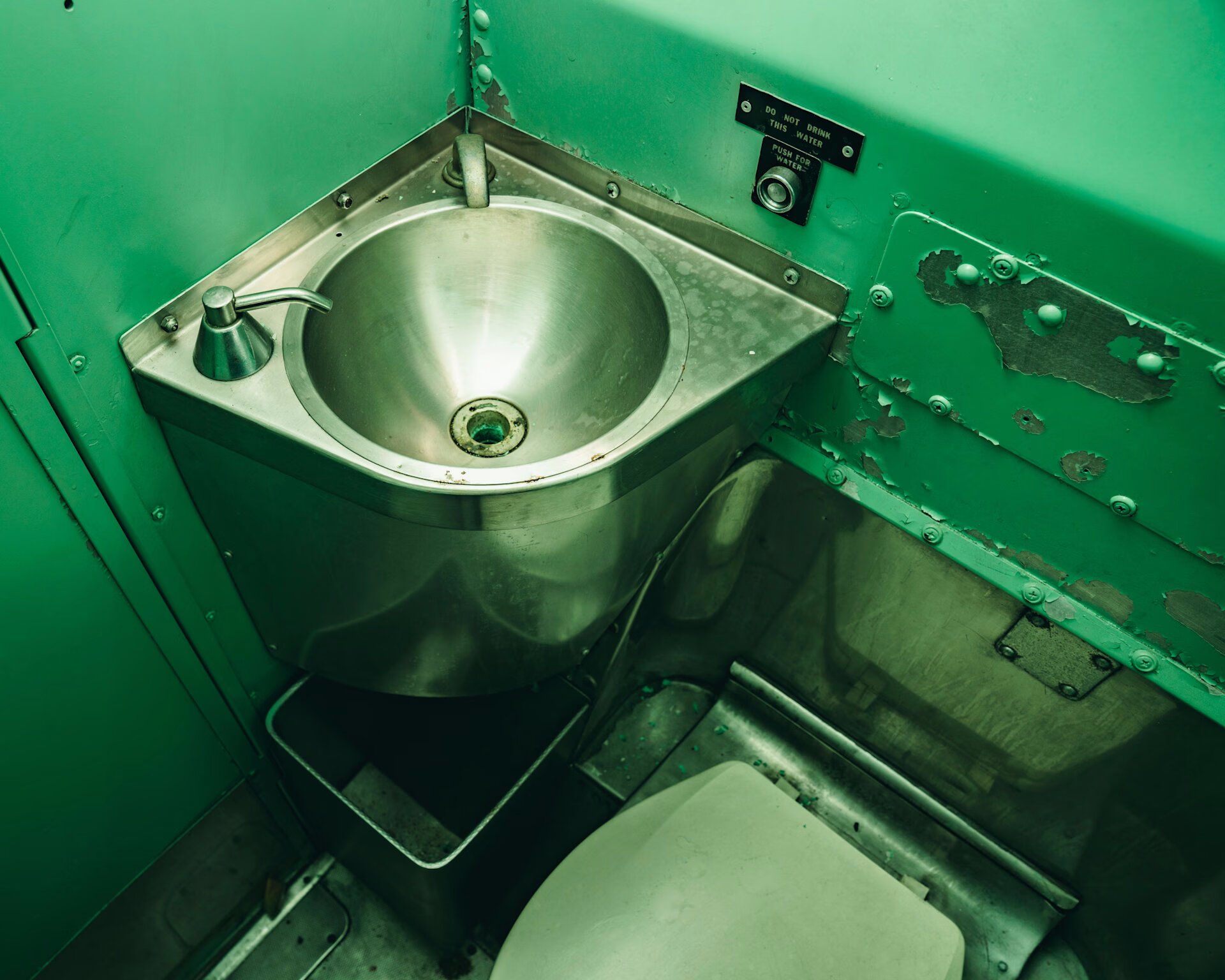
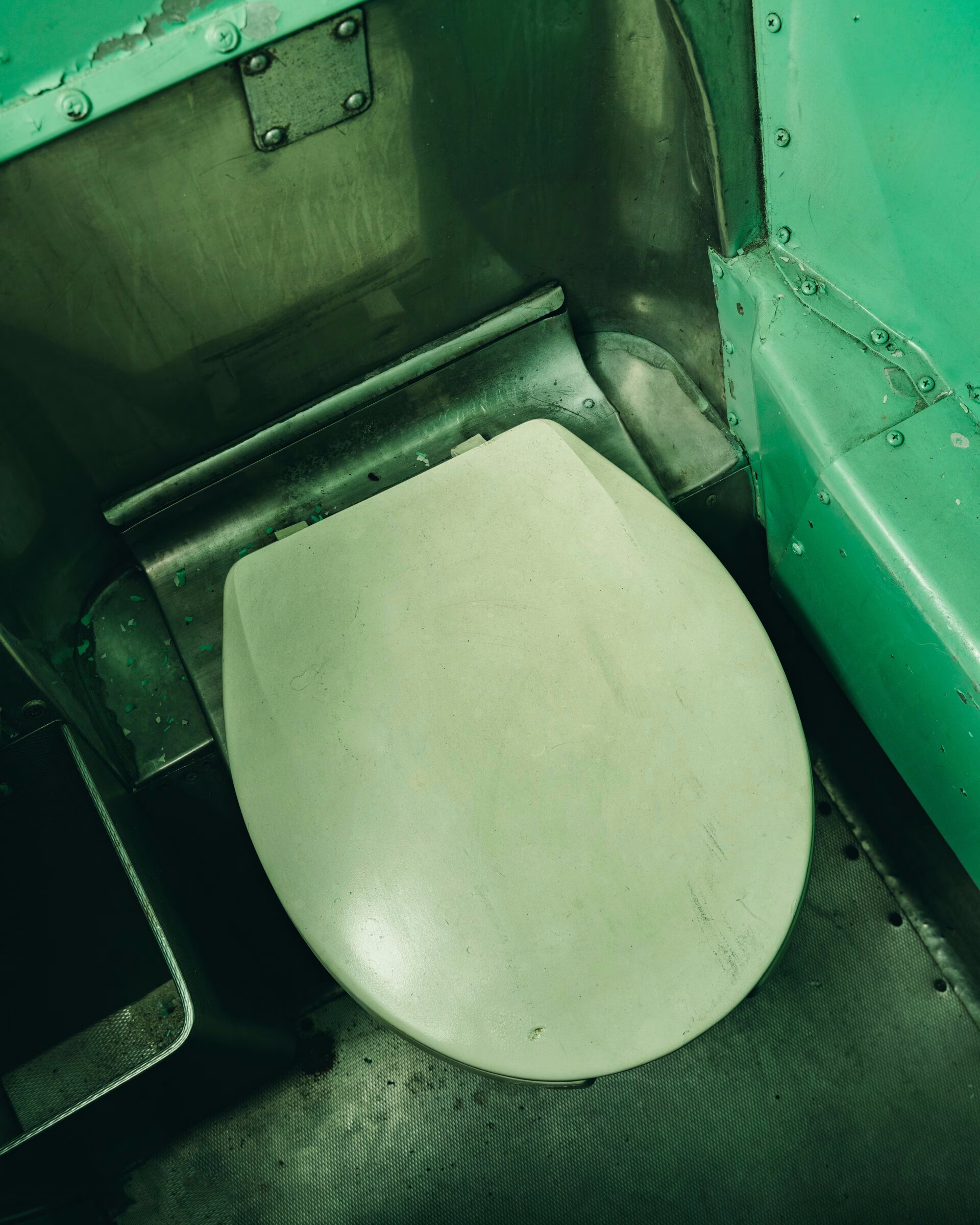
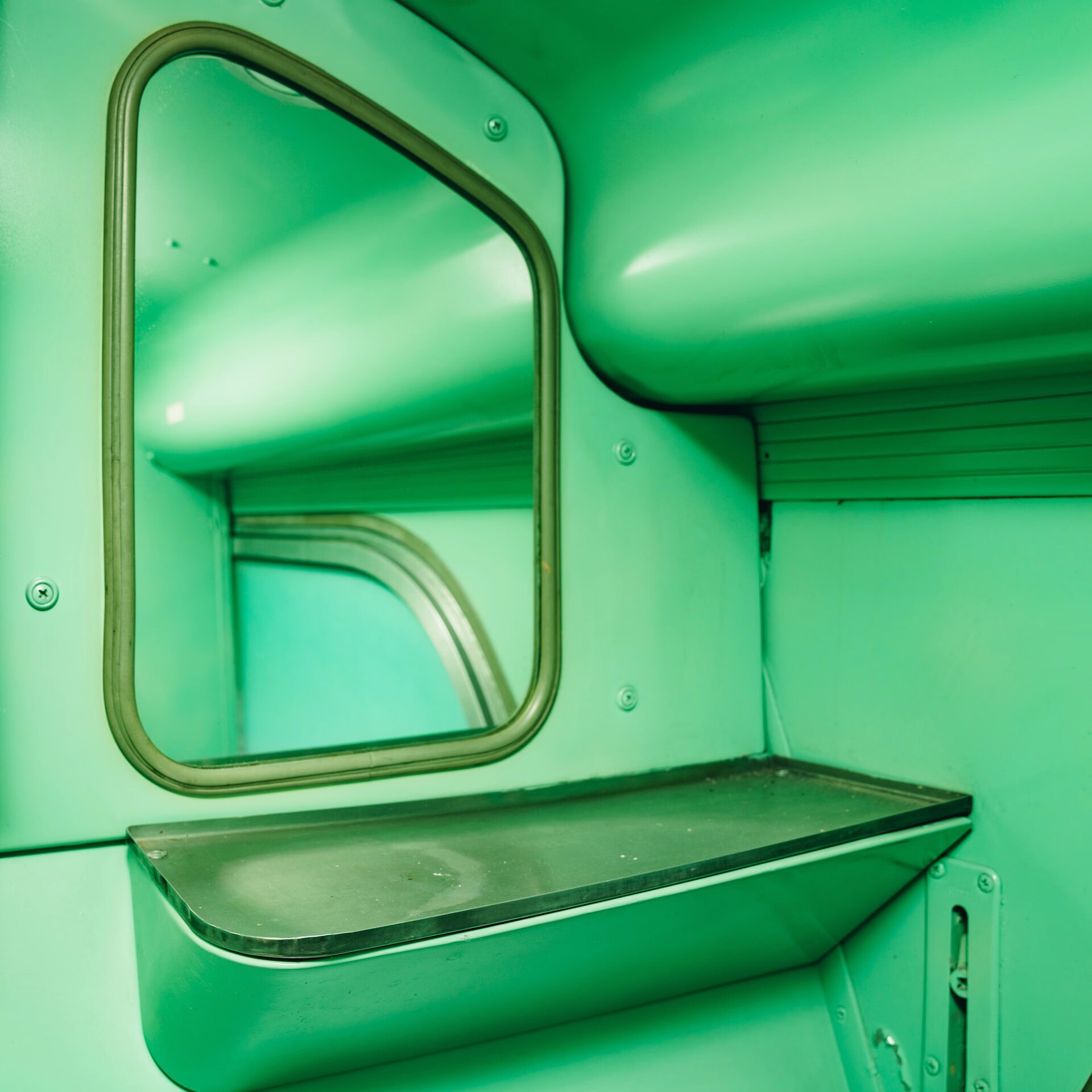
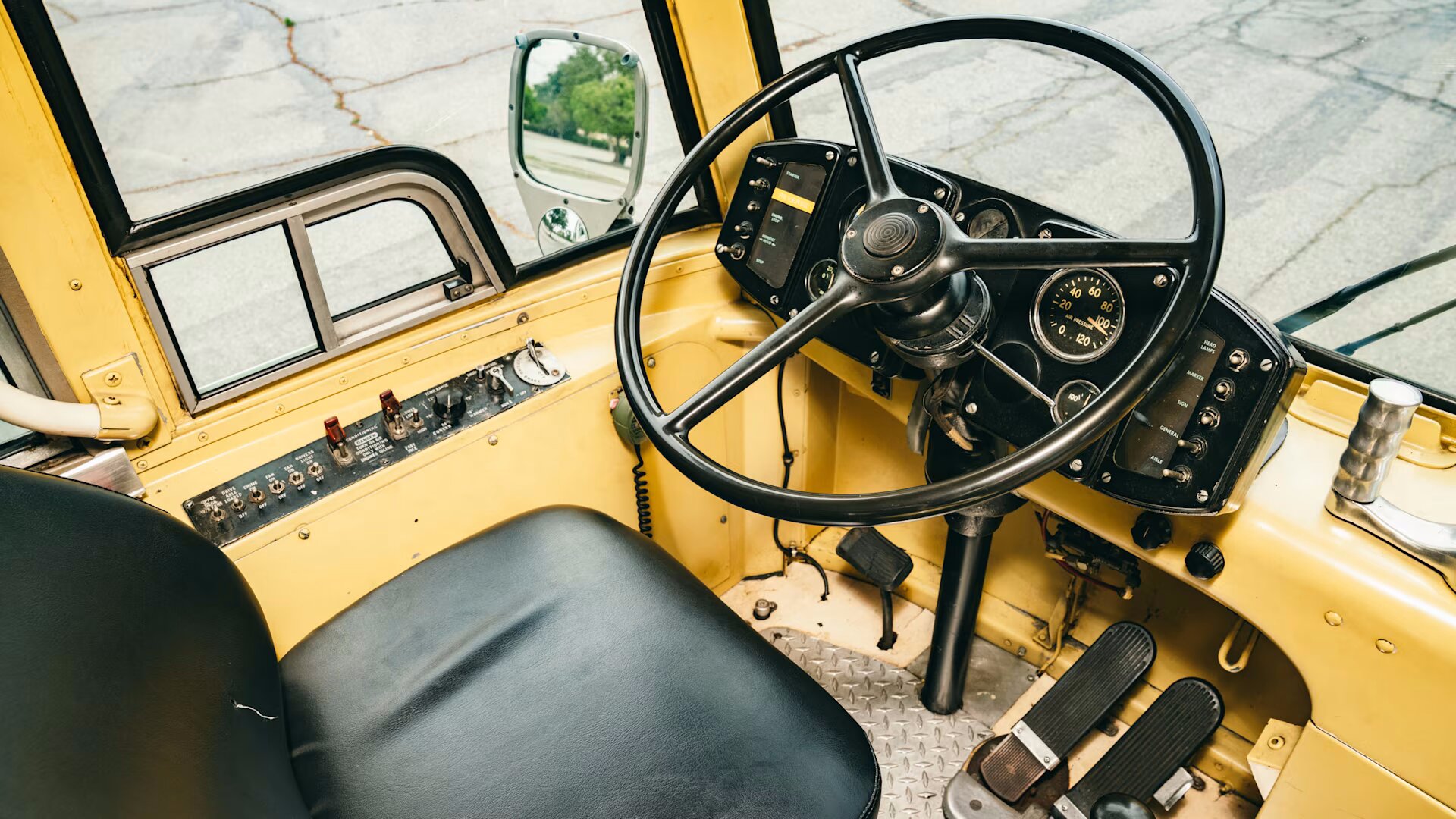
It was retrofitted with the Detroit Diesel Series 8V-71 V-8 engine and four speed manual transmission. It is painted in the White and Blue exterior with Greyhound livery, while the interior is done in gold and black. It is also fitted with the on-board toilet.
You can find the sale page for this historic cultural icon if you click here.
Picture Credits: All pictures courtesy Mecum Auctions except where otherwise marked.
Jon Branch is the founder and senior editor of Revivaler and has written a significant number of articles for various publications including official Buying Guides for eBay, classic car articles for Hagerty, magazine articles for both the Australian Shooters Journal and the Australian Shooter, and he’s a long time contributor to Silodrome.
Jon has done radio, television, magazine and newspaper interviews on various issues, and has traveled extensively, having lived in Britain, Australia, China and Hong Kong. His travels have taken him to Indonesia, Israel, Italy, Japan and a number of other countries. He has studied the Japanese sword arts and has a long history of involvement in the shooting sports, which has included authoring submissions to government on various firearms related issues and assisting in the design and establishment of shooting ranges.