Operation Greenup was undertaken by three young men who were motivated to sacrifice their lives if needs be to defeat the Nazis. Operation Greenup was a great success and was instrumental in shortening the war in Italy, and with the peaceful surrender of Tyrol-Vorarlberg and the City of Innsbruck, Austria.
Fast Facts
- When nations are called to war the result is many ordinary people are called to do extraordinary things.
- Operation Greenup was an extremely dangerous mission behind enemy lines during World War II.
- The mission was undertaken by three ordinary but committed young men; Fred Meyer, Louis Wijnberg, and Franz Weber who trained to become agents of the United States OSS.
- In addition to the work done by the three agents family members and friends undertook to aid the operation at great personal risk.
- Operation Greenup proved to be highly successful and is credited with shortening the war in North Italy, and with the peaceful surrender of Tyrol-Vorarlberg and the City of Innsbruck.
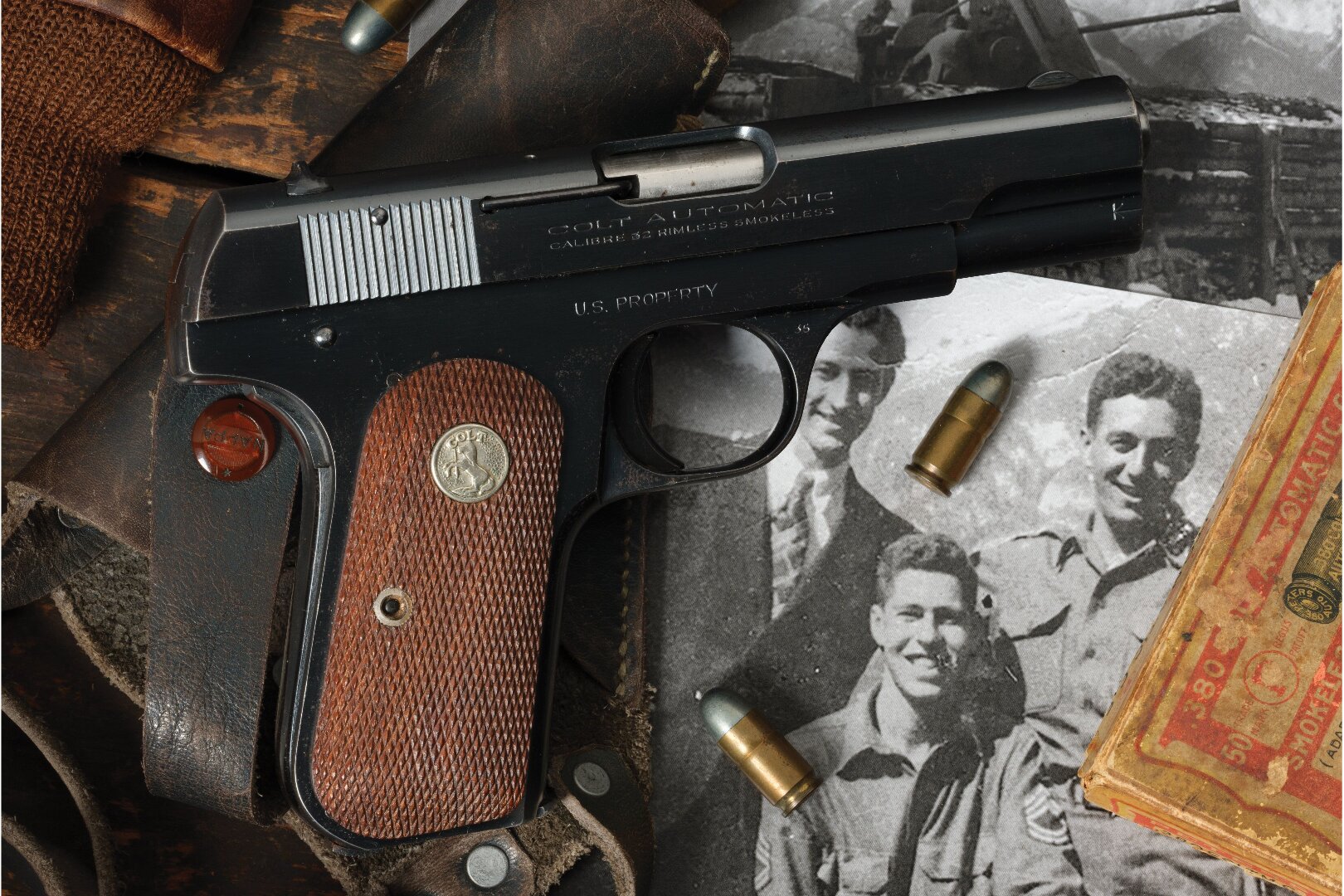
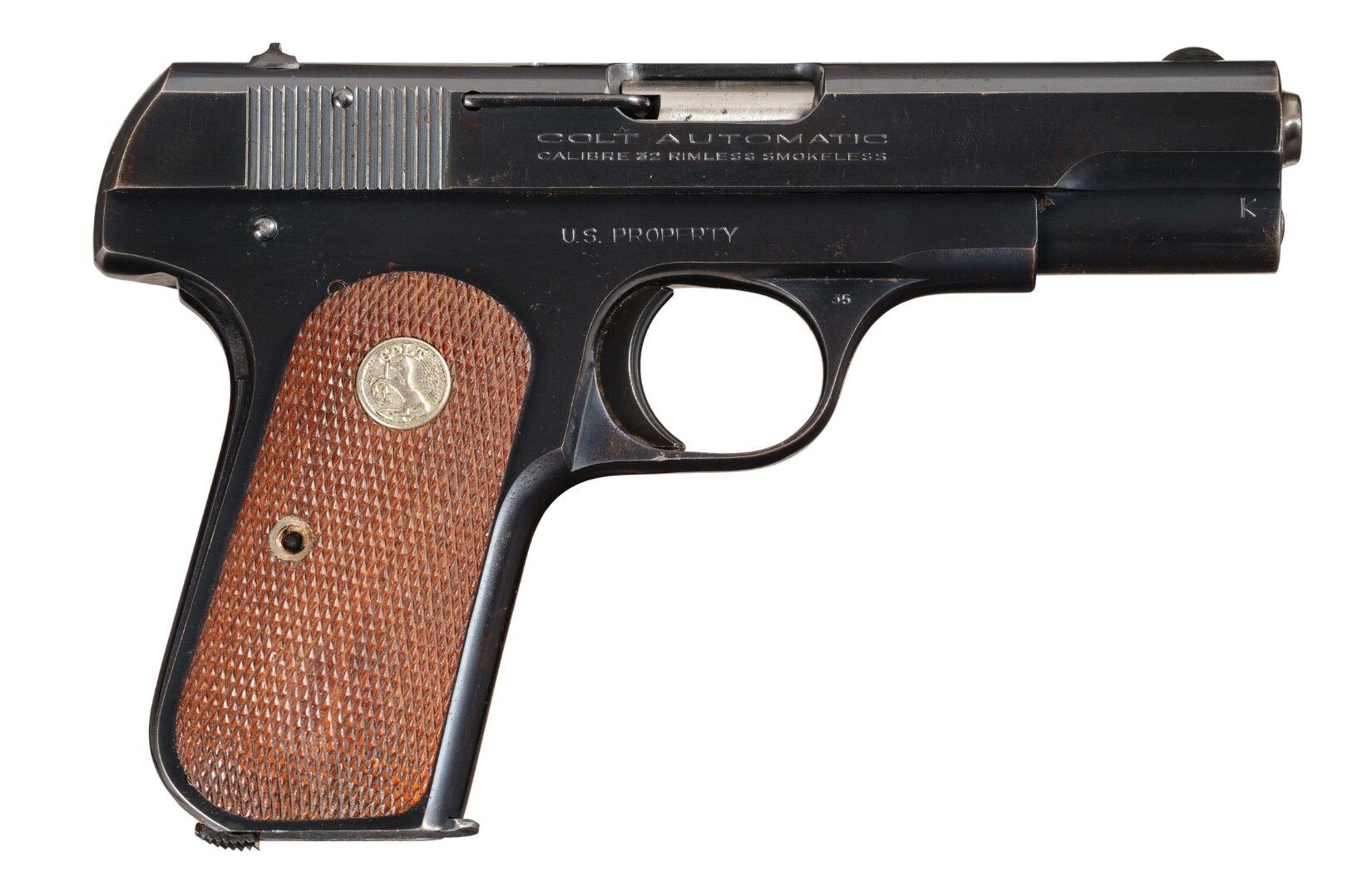
- The OSS issued pistol of Fred Meyer is for sale by Rock Island Auction at time of publication.
Operation Greenup is regarded as one of the most successful of the US Army OSS espionage operations of the Second World War. The campaign was multi faceted and culminated at the end of the war with OSS officer Frederick Meyer’s instrumental role in securing the peaceful surrender of the Austrian city of Innsbruck: something which saved thousands of lives on both sides and which saved the city of Innsbruck from the widespread destruction that would have resulted from an urban battle.
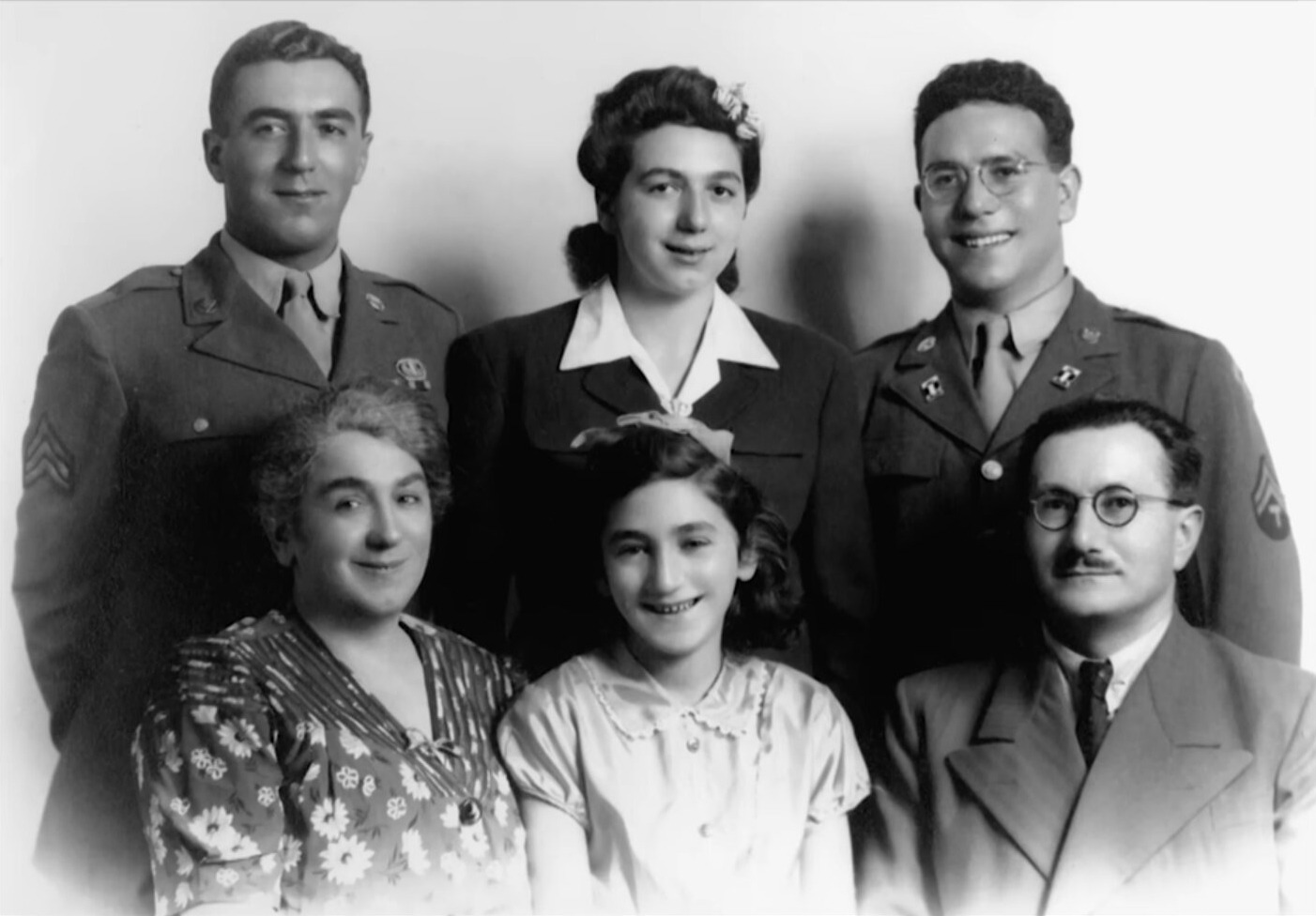
Frederick Meyer was born in Germany in 1922. After graduating school he worked as a diesel mechanic.
Fred Meyer’s family became concerned for their safety after the Nazis gained power in 1933 and unleashed a campaign of propaganda and actual physical violence against people who had a Jewish heritage. It was Fred’s mother especially who persuaded the family that they needed to leave Germany for their safety, and in 1938 they departed Germany and emigrated to the United States.
The war in Europe began the following year on 1st September 1939, with the United States not being directly involved at that time, but providing materiel support to Britain in her war against the Nazis.
Britain fought the Battle of the Atlantic to try to get the convoys of merchant ships carrying much needed supplies through while the German U-boat wolf packs did their utmost to sink as many ships as they could.
Not only did the Germans use U-boats in the Battle of the Atlantic but they also tried to use surface raiders such as the pocket battleship Graf Spee, which was sunk as a result of the Battle of the River Plate: a story of courage packed with drama. The movie is worth watching, and you can find it on YouTube if you click here.
In 1940 Britain was also fighting the Battle of Britain, which was followed by The Blitz. These things are significant to me especially because my Dad was a gunner on merchant ships that were carrying essential supplies, and my Mum worked at the Royal Small Arms Factory Enfield Lock in London, helping to make Bren guns. So she lived through The Blitz.
I mention these things because the movies and the documentaries tend to focus on the people who accomplished great acts of courage that movies could be made about.
But there were many ordinary people, like my Dad and Mum, who were called on to heroic acts of courage and they did what needed to be done without expecting fame or notoriety.
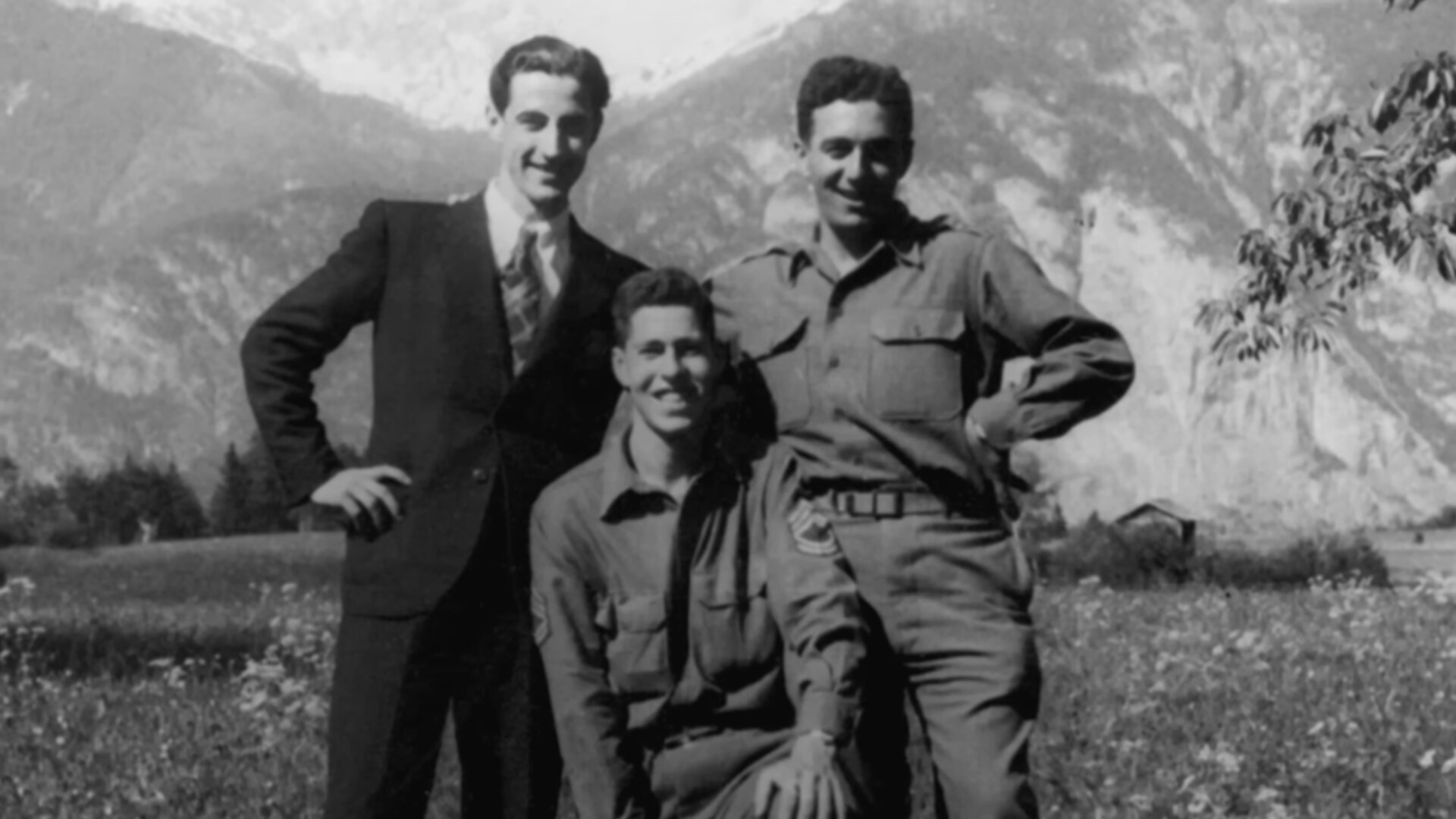
There were many who committed their lives to the defeat of the Nazis, and most exhibited amazing bravery, self-discipline, and sacrifice. Among the barely known heroes of the war were a couple of young Jewish men, and a German Army deserter, who laid their lives on the line for their country and, through what I believe was an answer to prayer, survived and accomplished some extraordinary things.
The attack on Pearl Harbor on December 7th, 1941 brought the military and industrial power of the United States into the war and Fred Meyer was one of those young men who answered Uncle Sam’s call, and he joined the US Army.
As a young recruit he would have had no idea of what he was about to experience in the war, nor what he would ultimately accomplish.
After having shown resourcefulness and an ability to think “out of the box” during training Fred was recruited into the Office of Strategic Services (OSS) which had been formed on June 13th, 1942, around the time the United States fought the Battle of Midway against Imperial Japan.
The OSS were looking for men who had local knowledge in Germany and Austria, and who could speak at least two European languages. Fred Meyer could speak French, German and Spanish so he was asked to volunteer, which he did.
The OSS trained Fred in infiltration (which included parachuting), hand to hand combat including knife fighting, demolition (including underwater demolition), small arms and sniping, a set of skills and knowledge that Fred hoped to put to good use in doing his bit to end the socialist Nazi regime and its authoritarian oppression of the people of Europe – and especially for the Jewish people of Europe.
Fred was thoroughly trained in how to do exceedingly nasty things to Uncle Sam’s enemies: he was sort of an American James Bond and he would endure things way beyond his own strength.
The moment of truth came when Fred Meyer was put in charge of a team of three operatives, himself, another OSS operative named Louis Wijnberg (from Holland), and a German ex Austrian Wehrmacht officer named Franz Weber.
Louis Wijnberg’s family had stayed behind in Holland when Louis escaped to the United States with his twin brother when they were 16 years old. His family were arrested by the Nazi SS, his father sent to a concentration camp in Poland, and the rest of the family were sent to the Auchwitz concentration camp around the time he had been recruited by the OSS.
He never saw them again.
On completion of their training Fred and Louis were sent to North Africa where it seemed to them that they would never see action against the Nazis. They applied for transfer to the intelligence unit in Bari, Italy and were sent there.
The Bari intelligence unit indeed had a mission for them, one that would in all probability get them killed. Were they willing? Yes, very much so.
What was needed for this mission was a man with both the military training and thorough knowledge of the area of the Austrian district of Tyrol, especially relating to the city of Innsbruck. The first objective of the mission was to get intelligence on train movements along the Brenner Pass. The allies had been bombing along the pass but had not been able to stop the train movements which were supplying the military operations in Italy.
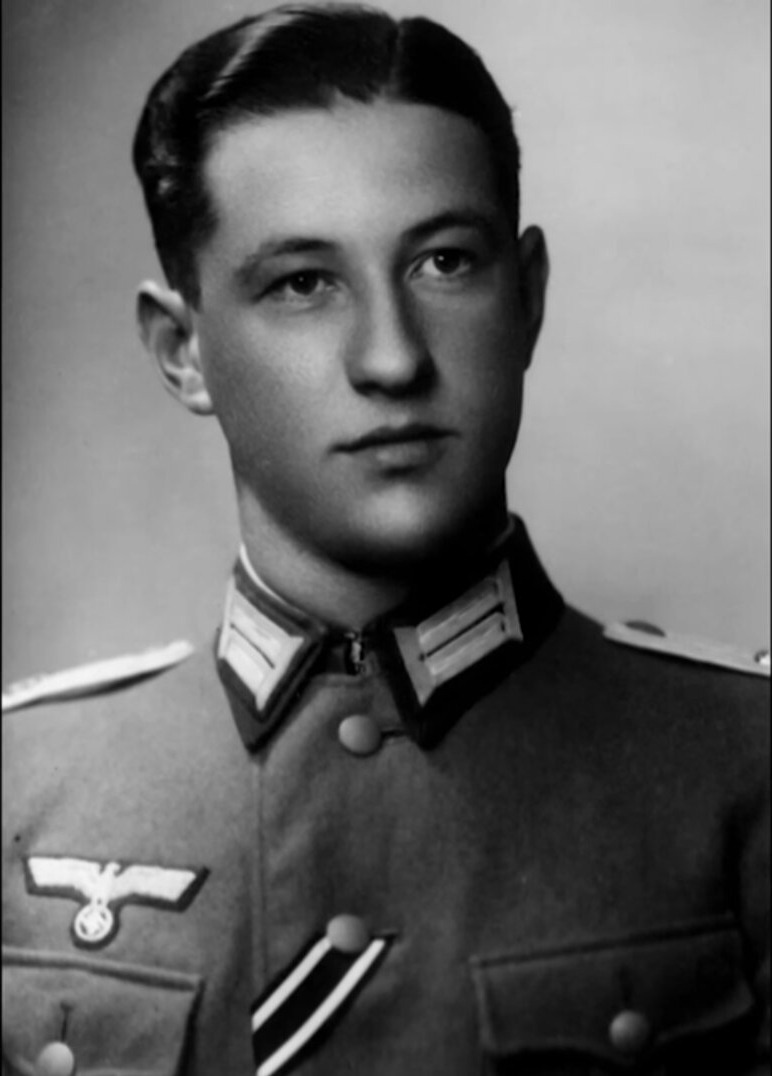
Franz Weber was to be that man. He had understood what the Nazis were planning for the people of Europe and he wanted none of it. He had deserted from the Nazi Wehrmacht out of conscience and had been taken as a prisoner of war by the Allies.
He was recruited to the OSS team when Fred and Louis were provided with a list of German prisoners of war and given the opportunity to interview them. So they were able to interview Franz Weber and assess if he would be suitable for the mission – and if he would be willing to faithfully carry out his role. He had a thorough knowledge of the countryside around the Austrian city of Innsbruck, and he had German military training.
In fact the three of them struck up a friendship very quickly and developed trust in each other.
Weber’s German military training had not included parachuting out of an airplane however, and the insertion strategy to get the three man team to the chosen location behind enemy lines was going to be to have them parachute in – in the cold icy darkness – from 10,000 feet, onto a frozen lake that sat between two mountains. It was a plan that was so dangerous that it took some effort to find a pilot who would be willing to take the risks of taking them there and getting out alive himself.
The British Royal Air Force point blank refused to fly the team in, regarding it as being too dangerous even for the RAF who had completed such mad exploits as the dam busters raid, and the sinking of the German battleship Tirpitz.
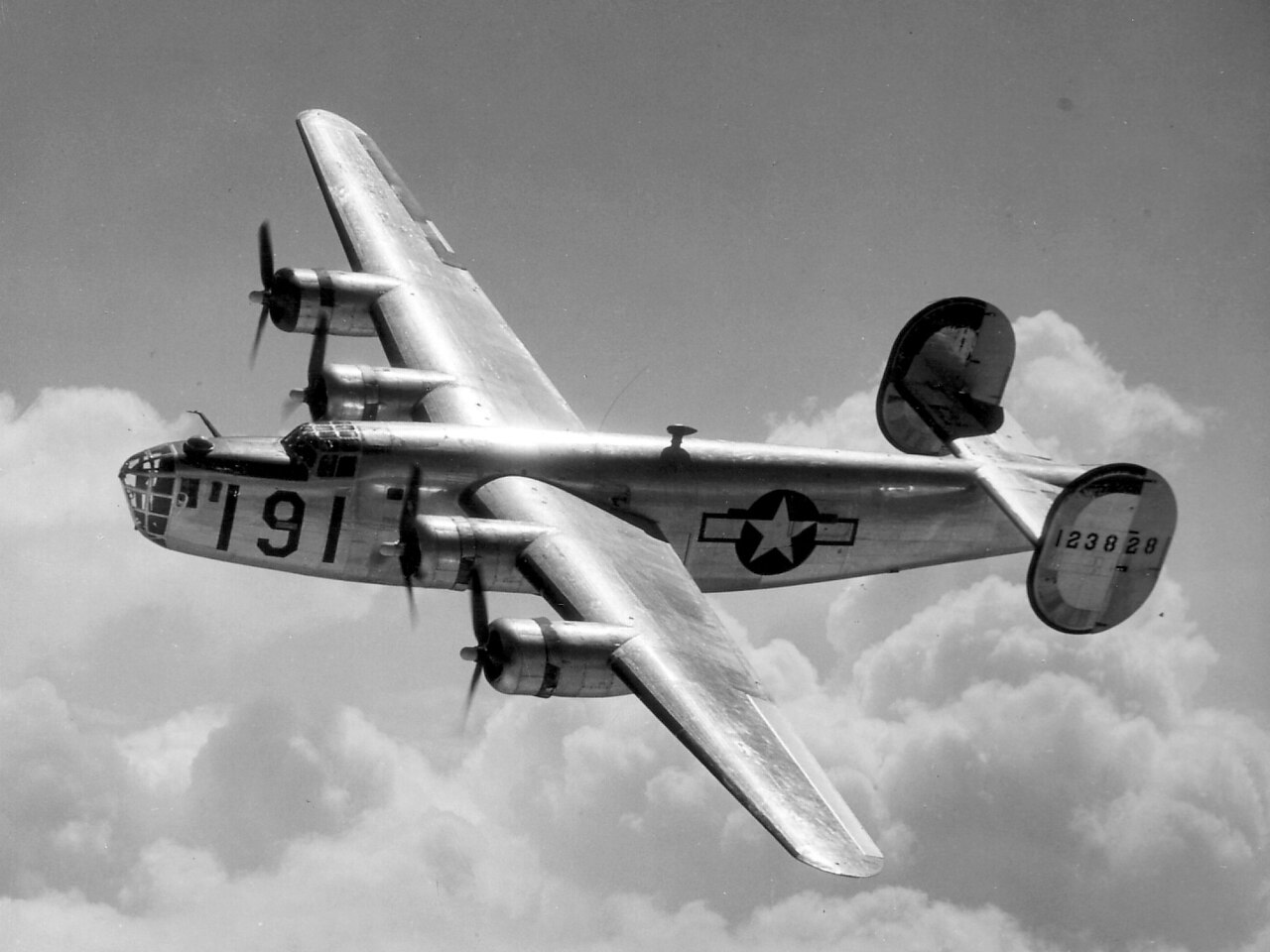
But an American pilot was mad enough to volunteer to fly the team in: he was Lieutenant John Billings of the The 885th Bombardment Squadron (Heavy) (Special) and his aircraft was a notoriously difficult to fly B-24. Billings B-24 was painted gloss black to make it about as visible as the proverbial jet black cat at the bottom of a garbage can at midnight on a moonless night.
The only other crew member on that flight was the jump master.
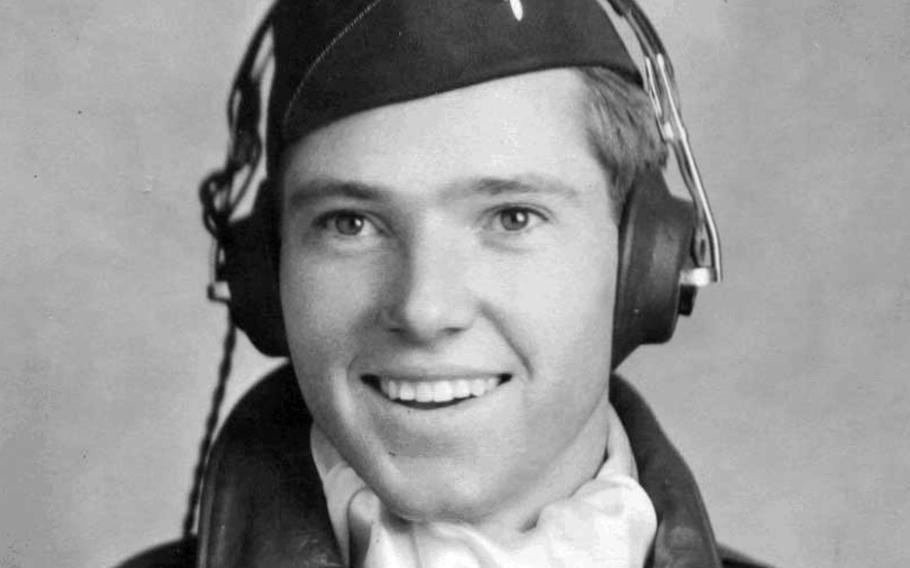
Secrecy was so tight that Billings did not know the names of the men he was flying on this mad mission. The flight would involve flying through the Brenner Pass which cuts through the Alps and which was heavily fortified by the Germans and then to have the three man team parachute in the darkness into a frozen glacial lake which sat between two mountains.
It would take three attempts to successfully get the team to parachute into that location. The weather was so bad on the first two attempts that the lake onto which the team was to parachute was simply invisible from 10,000 feet and jumping out of an aircraft to land upon something you can’t see is not a wise thing to attempt.
But on the third attempt, on February 26th, 1945, things went according to plan, except for an encounter with a violent wind shear which caused the aircraft to lose altitude at an alarming rate. Having your aircraft suddenly drop from the sky as you fly among mountains can be a bit of a disconcerting experience.
But they made it to the target drop zone and jumped – Franz had never actually jumped out of an aircraft before so for him this was no doubt a pretty challenging experience. But the three landed close to each other alive and uninjured.
Checking their gear drops they found that the pack containing their skis was not there, meaning that the skis were probably somewhere over the other side of the mountain. So, in the absence of skis the three started walking, sometimes through waist deep snow.
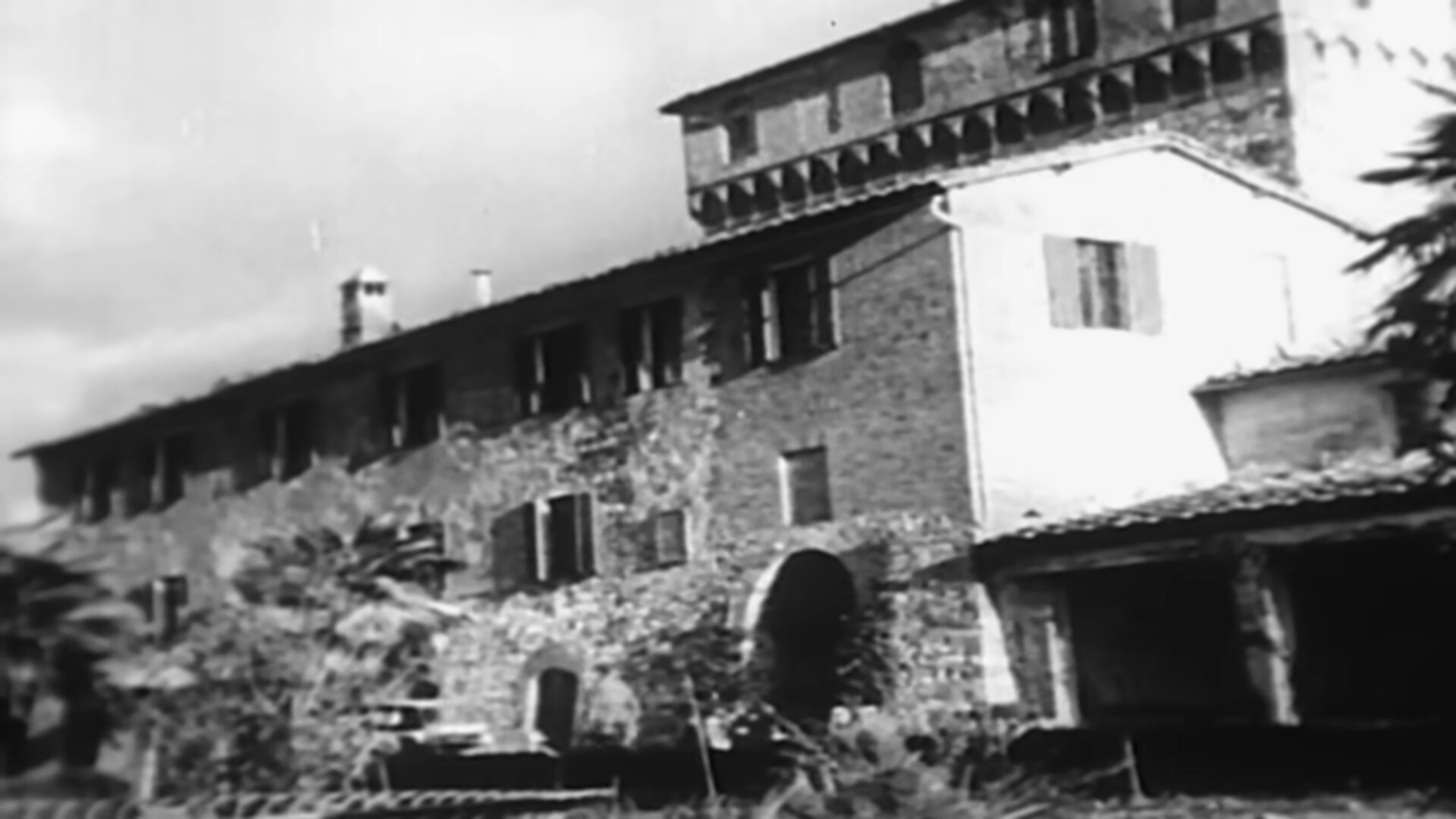
Franz had a good knowledge of the local area and he knew of a village where they might be able to get help. The team masqueraded as a lost ski patrol who had lost their skis. The villagers did not have any spare skis they could give them, but they had a toboggan – and his was to lead to what Fred later described as the most frightening thing he’d experienced in his life.
The descent down the mountain seemed to be near vertical and so the toboggan descended down that slope so fast that as the team tried to use their ski poles in an effort to slow the thing down, the ski pole tips were glowing red hot in the ice cold snow.
But they made it alive and Franz took them to his home village of Oberperfuss where he made contact with his fiancée Anni.
While she was delighted to see him she was terrified for his safety: it was well known in the village that he had deserted from the Wehrmacht and that he would be summarily shot if caught. There were Nazi loyalists in the village and he would need to be extremely careful to avoid being discovered.
Anni’s mother, Anna Niederkircher was a devout Catholic and she owned the Hotel Zur Krone. Anna was instrumental in locating the team in safe houses, with Louis being set up with his radio equipment in a farm attic belonging to Hans Taps.
Louis was the communications lynch pin on whom the team depended to get their messages back to the Bari OSS intelligence unit. Louis radio signals were bounced off the mountains and were made difficult to impossible to trace.
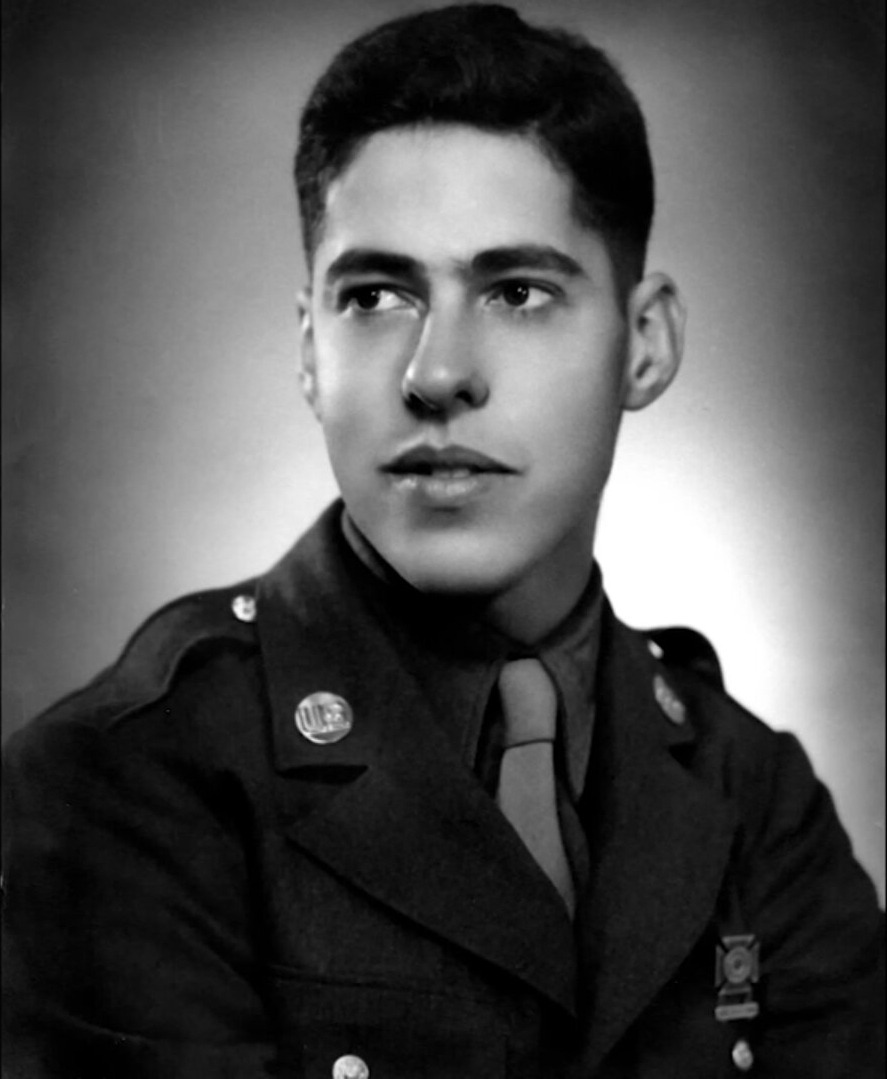
A relay courier network was set up to convey the messages to Louis with Franz’s sisters Eva, Luise and Margarete being involved along with a trusted neighbor Maria Hörtnagl, and Anni.
Luise worked as a nurse at the Innsbruck hospital and she was able to acquire a German Officer’s uniform that had belonged to a dead patient. This was to prove to be a perfect disguise for Fred Meyer who was able to present himself as a convalescing officer on leave from the front, and as such he was able to check in at the local barracks.
Luise was able to forge outpatient’s documents for him and so he was able to be issued with a pay book and rations.
Socializing at the barracks officer’s lounge Fred was able to tune into and participate in many conversations where a wealth of information about the war was freely shared among officers who trusted each other – not suspecting that one among them was a Jewish OSS agent from Brooklyn.
Among the information shared with Fred was information about Hitler’s Berlin bunker – location, construction information, staff and security arrangements. This information coming from an officer who had been there.
Fred was given a new mission objective around this time. The Allies wanted to know about the new jet fighter, the Messerschmitt Me262 Schwalbe (“Swallow”), which had been encountered by Allied aircraft. It was much faster than anything the Allies had and, if the Germans were able to produce and field them in quantity, could prove to be a game changer in the air war.
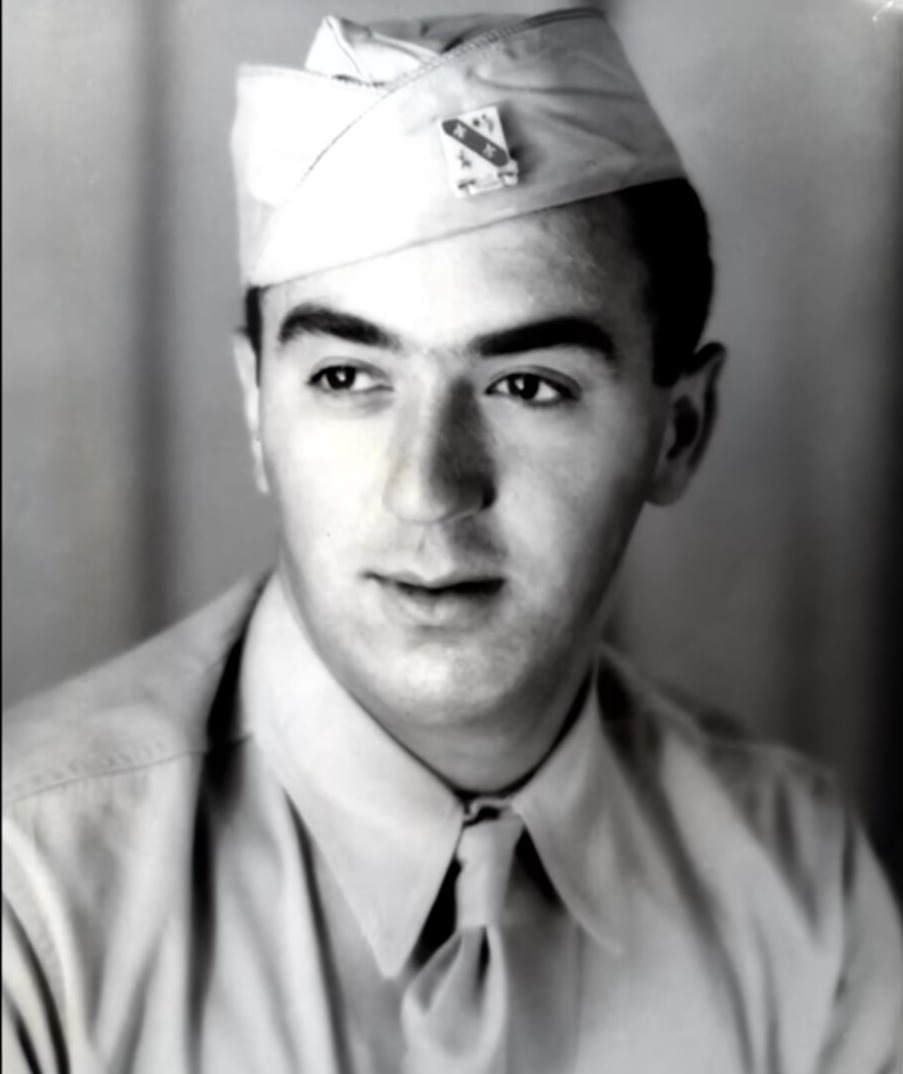
Fred was able to discover that there was an Me262 construction facility in his sphere of operations. It was located in a hidden and fortified factory. Fred’s job was to find a way of getting the information without being discovered as the spy he was.
Fred took on the persona of being a French electrician named Frederique Meier, and he was able to infiltrate the factory sufficiently to discover that production of the Me262 je fighters had ceased because of the lack of materials with which to make them. Allied bombing had successfully stopped production.
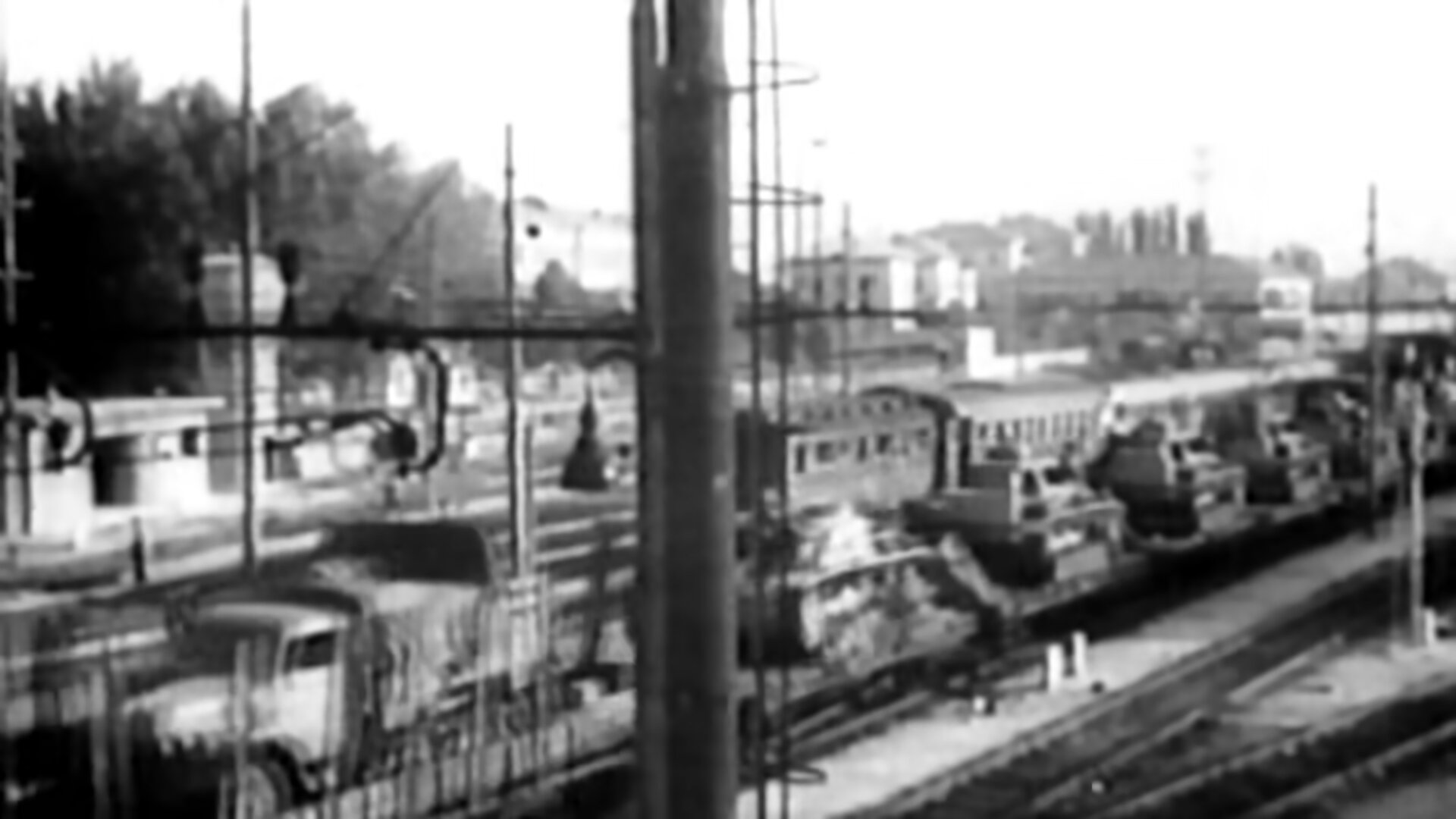
Fred returned to his German officer persona and made his way down to the railway marshaling yards. One of his prime objectives was to discover the planned German military train movements and get that information to OSS in Bari so that the trains could be accurately targeted.
He discovered that 26 trains were scheduled to leave for Italy on April 3rd, at 2100 GMT – to travel through the Brenner Pass. The information was passed on to OSS Bari by Louis and, suffice to say that the people on the trains did not enjoy an uneventful journey.
The attacks on these trains was instrumental in cutting off supplies to the German troops on the Italian Front, and in so doing dramatically reduced their ability to fight.
Fred’s successes were not to last however: a couple of months later in June 1945 the Gestapo finally discovered him and arrested him.
The Gestapo were dreaded with good reason. They had a penchant for using horribly imaginative torture methods to get information from their victims, who often did not survive the interrogation process.
Prior to being sent on this mission the three team members had been provided with a cyanide capsule each so that if they were tortured by the Gestapo they could end their own suffering and protect the people of their support network.
Fred had concealed his cyanide capsule in his mouth in accordance with his training and when he was being tortured Fred attempted to bite on it and thus end his life. But as it happened as he tried to bite down he was struck across the face and the cyanide capsule was knocked out of his mouth.
The Gestapo torturers shoved a pistol barrel into Fred’s mouth and beat him about the head causing him to lose teeth. They hung him upside down and beat him: things were looking pretty ugly.
Fred could not expect rescue – there was no “cavalry” to arrive in the nick of time and save him – this was not a movie. But something rather better than the “cavalry” was to intervene.
When Franz heard that Fred had been taken he told his family and his mother organized a prayer vigil among the family and trusted friends in the church at Oberperfuss. The Bible tells us that God moves in mysterious ways and the events that were to unfold were in truth far better than anyone could have expected.
As Fred was being tortured the whole thing was being watched by a high ranking Nazi doctor, Dr. Prims. At the crucial point – the point beyond which Fred would have died – Dr. Prims called for the torture to be ended.
The senior Nazi officers of Innsbruck believed that Fred Meyer was of potential use to them. It was believed that Fred was a senior American military officer and that he could help them surrender Innsbruck, and save them from war crimes trials.
Fred was given the opportunity to get cleaned up, as best as his bloodied and swollen face could be cleaned up, and he was taken to dinner where he met six Nazi officers who invited him to join them in the food and tasty delicacies set be for them. He was told “Have some food – relax – nothing is going to happen”
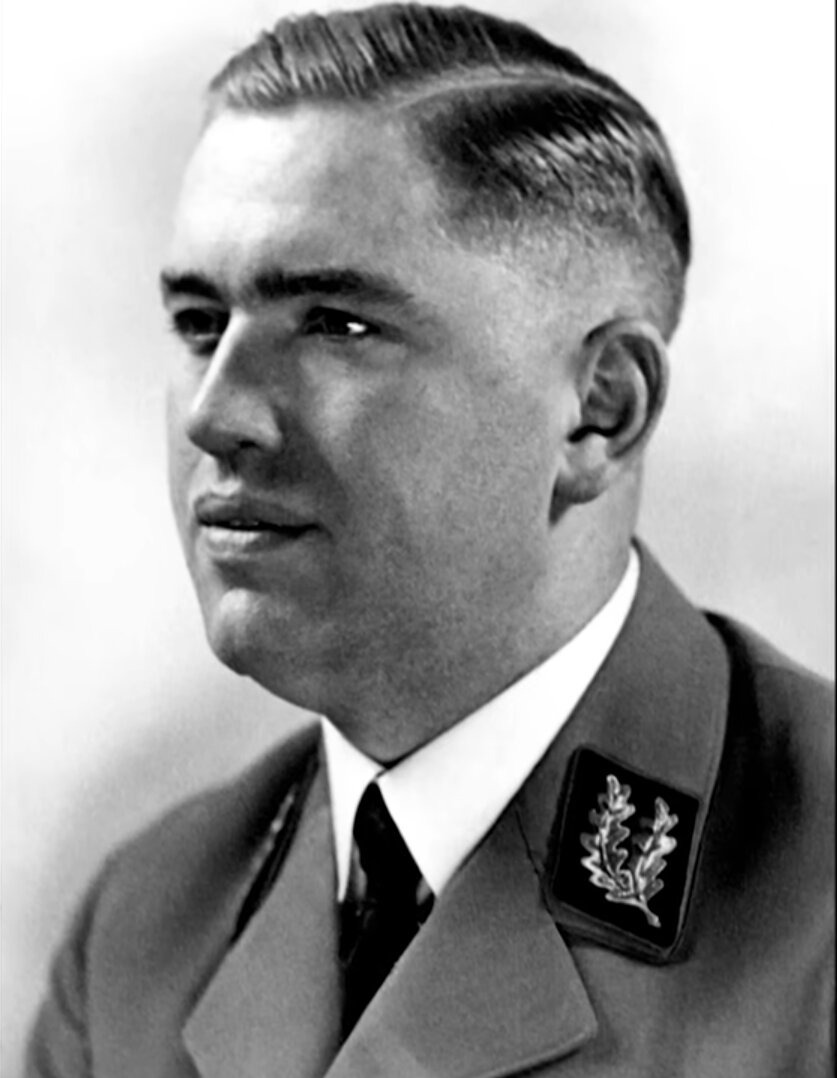
The most senior person at this dinner was Franz Hofer, the Gauleiter (Governer) of Tyrol-Vorarlberg, and he was hoping to be able to do a deal with the Allies.
In what can only be described as one of the great bluffs of the war Fred promised Franz Hofer immunity from prosecution if he surrendered and declared Innsbruck to be an “Open City”.
So, in what looks rather like a miracle, Fred went from being a prisoner of the Gestapo being tortured to death, to being the Allied officer who placed Franz Hofer under arrest and was able to contact the 103rd Infantry Division in sufficient time to stop the planned assault on Innsbruck and Tyrol.
On the appointed day Fred drove to the Allied lines and met with a Major West to whom he said “I am Fred Meyer of the OSS and I want you to accept the surrender of Tyrol”.
With the surrender and Innsbruck being declared an “Open City” the tanks of the 103rd Infantry Division drove into the City of Innsbruck on May 3rd, 1945 without a shot being fired.
Fred’s team and their support network thus saved many lives on both sides both on the Italian Front, and in Tyrol and Innsbruck.
There was much jubilation in Innsbruck as many Austrians had been opposed to the annexation of their country by the Nazis, so they were overjoyed to be set free from them. Many lined the streets to cheer as the tanks rolled in to Innsbruck.
Fred, Louis and Franz were three ordinary young men who were willing to volunteer for a horrendously dangerous mission, knowing that there was a high probability of losing their lives. But wars can bring out extraordinary qualities in people, and that was certainly the case for the three OSS agents, and the family members and friends who worked with them.
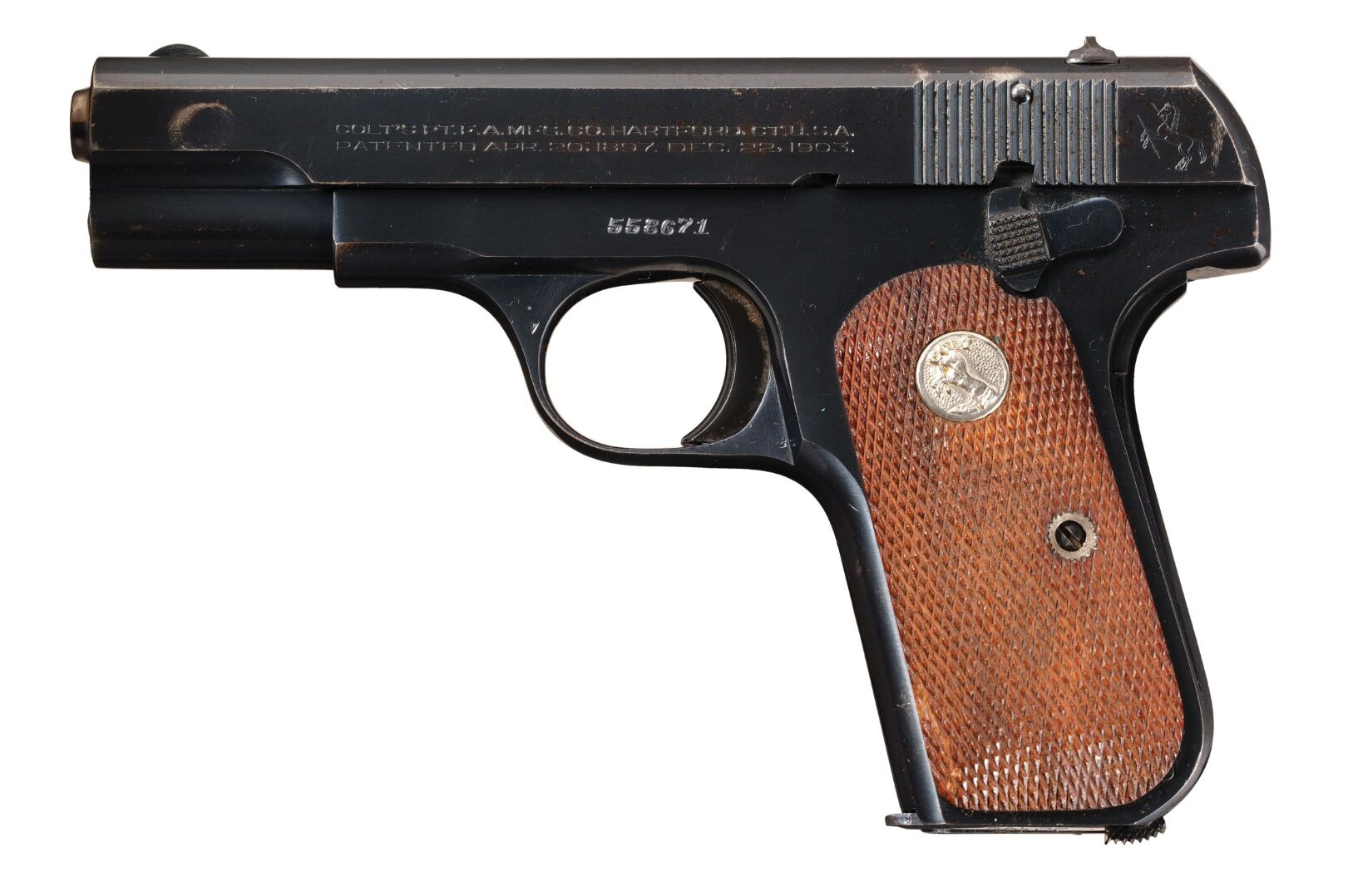
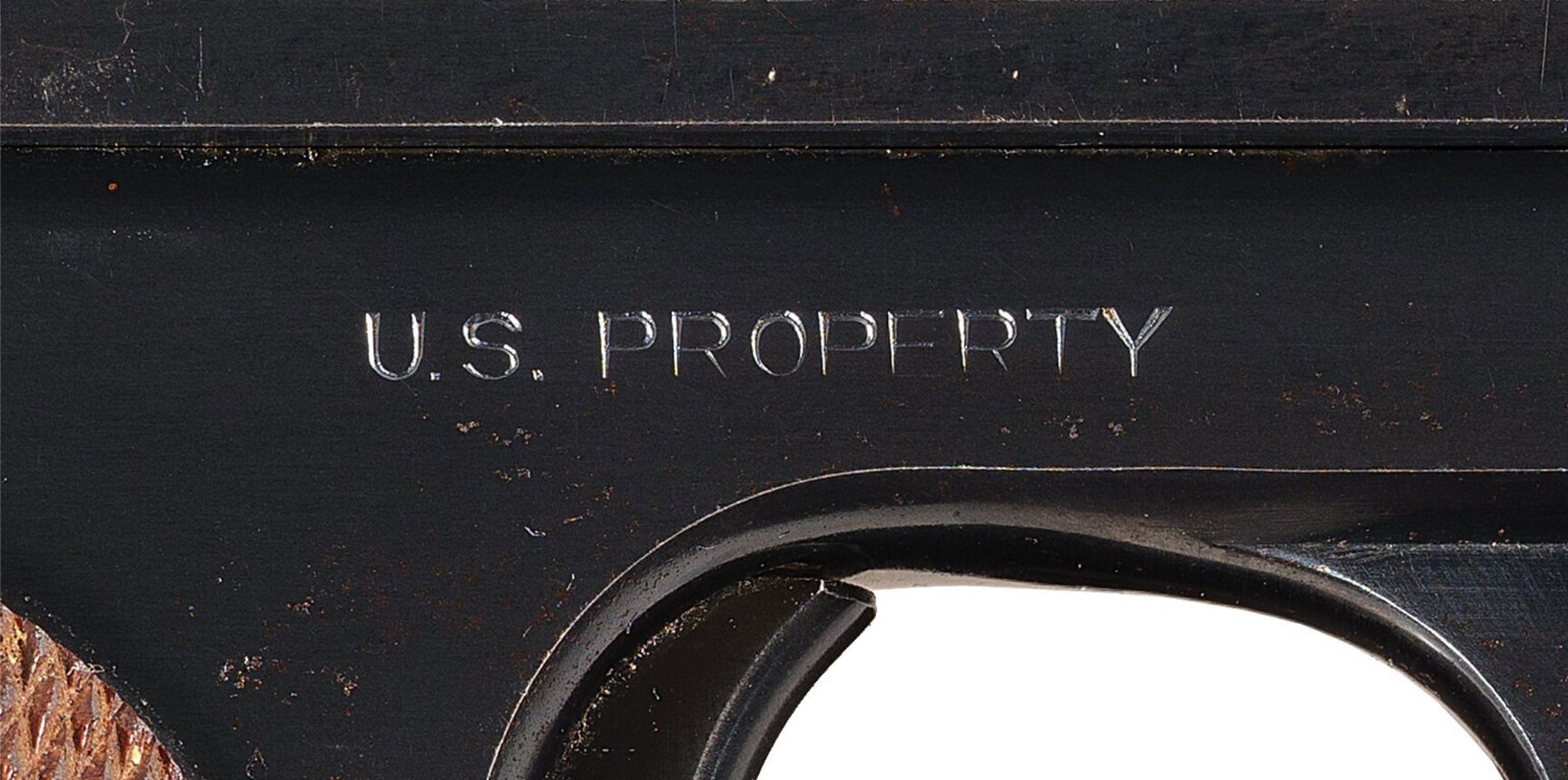
Fred Meyer’s OSS Issued Colt M1903 Pistol
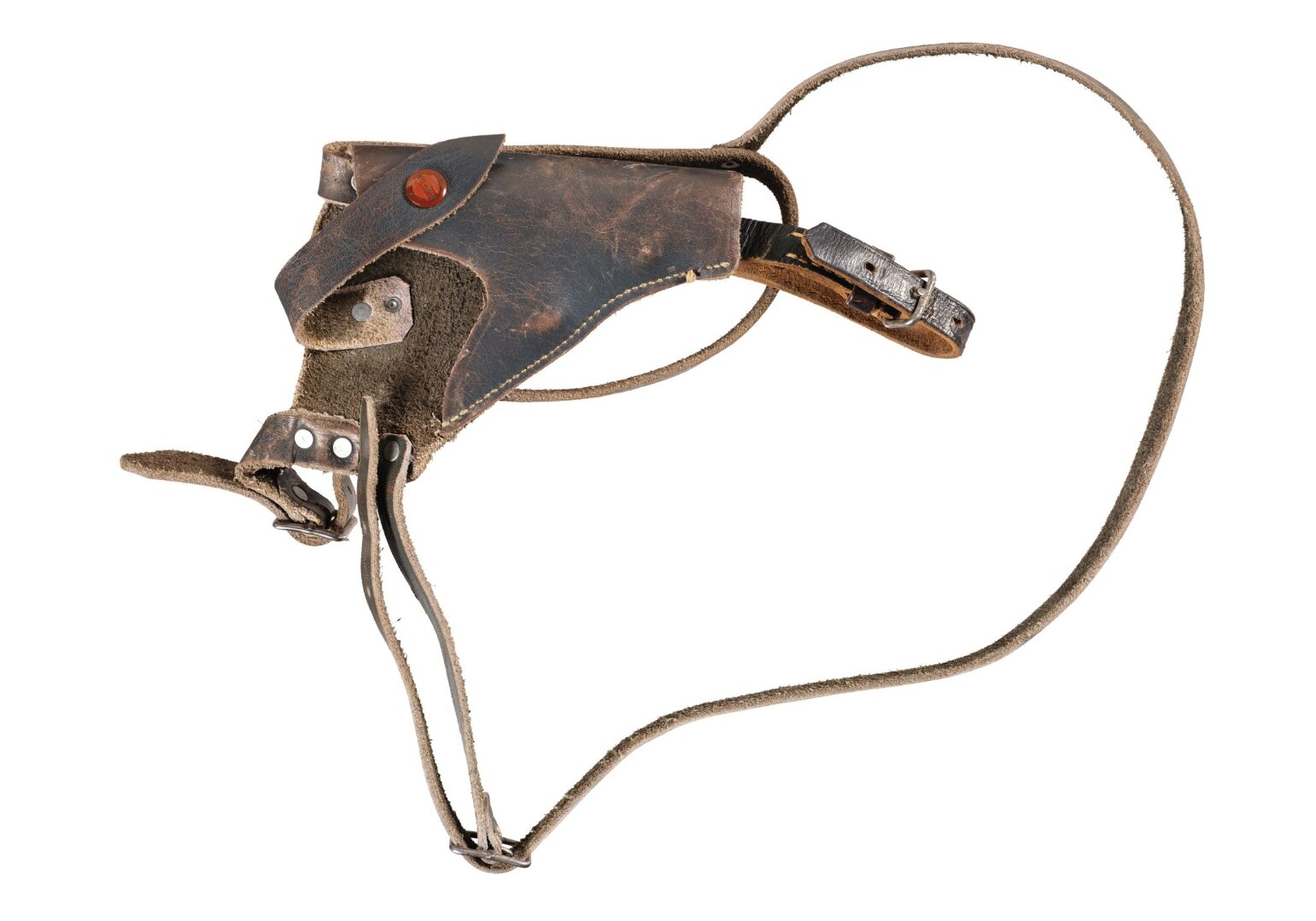
At time of publication Fred Meyer’s OSS issued pistol is up for sale on Rock Island Auction, complete with shoulder holster which Fred Meyer altered with the addition of a securing strap at the bottom.
You can find the sale page for this pistol if you click here.
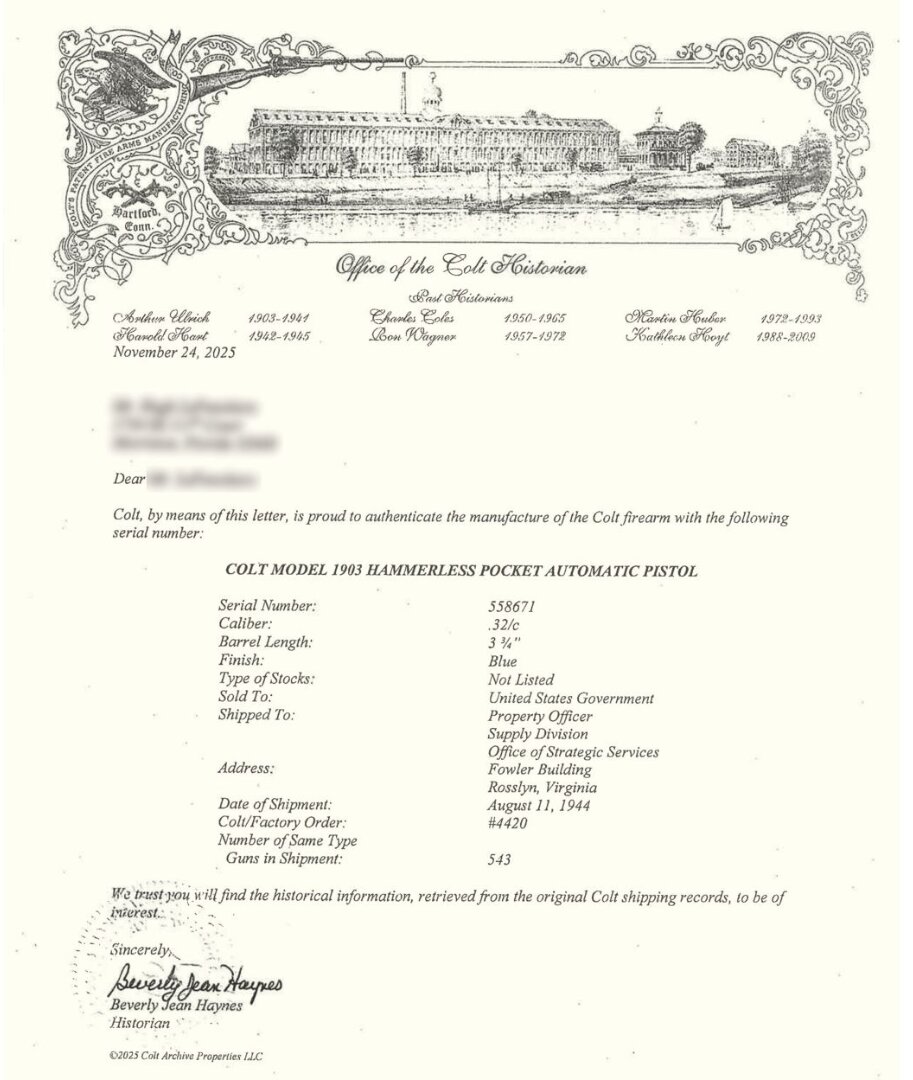
The pistol’s serial number is 558671 and it is chambered in 32ACP.
It is documented as being part of an order of 543 pistols supplied to the OSS on August 11th, 1944.
The sale also includes a copy of the documentary “The Real Inglorious Basterds” which you can also find on YouTube if you click here.
Picture Credits: All pictures of the Colt M1903 courtesy Rock Island Auction. All other pictures individually credited where possible.
Jon Branch is the founder and senior editor of Revivaler and has written a significant number of articles for various publications including official Buying Guides for eBay, classic car articles for Hagerty, magazine articles for both the Australian Shooters Journal and the Australian Shooter, and he’s a long time contributor to Silodrome.
Jon has done radio, television, magazine and newspaper interviews on various issues, and has traveled extensively, having lived in Britain, Australia, China and Hong Kong. His travels have taken him to Indonesia, Israel, Italy, Japan and a number of other countries. He has studied the Japanese sword arts and has a long history of involvement in the shooting sports, which has included authoring submissions to government on various firearms related issues and assisting in the design and establishment of shooting ranges.