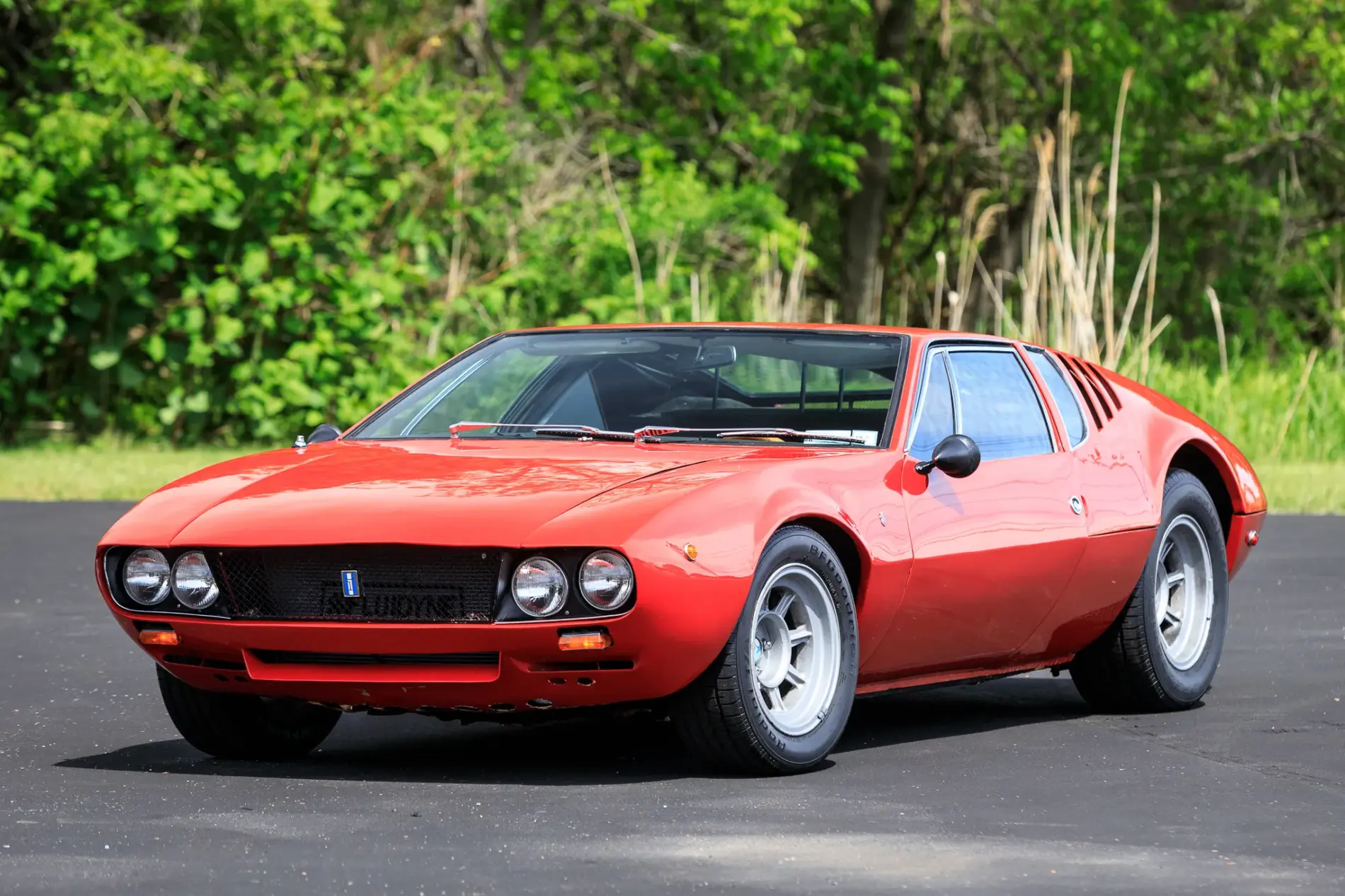
The De Tomaso Mangusta was born of a blending of a chassis originally created for a Can Am race car and a Giorgetto Giugiaro “origami” body style, complete with luxury fittings, air-conditioning, and power windows. It became one of the most famous cars of the 1960s.
Fast Facts
- The De Tomaso Mangusta was born out of the aborted P70 project which was being done by Alejandro de Tomaso and Carrol Shelby.
- The Mangusta was based on a modified P70 chassis fitted with a bespoke Giorgetto Giugiaro body, made in his then new folded paper style.
- De Tomaso paid great attention to making his design to be a practical blending of racing car and luxury road going GT. It was not a car for everyone, but it possessed a strong appeal for those who appreciated it.
- A 1968 De Tomaso Mangusta is for sale on Bring a Trailer at time of publication.
The De Tomaso Mangusta is one of the most iconic sports GT cars of the 1960s. It was born of the aborted De Tomaso P70 project jointly undertaken by Carrol Shelby and Alejandro de Tomaso.
The P70 was a mid-engine competition car based on a De Tomaso backbone chassis similar to that used in the De Tomaso Vallelunga, but with a much larger 289 cu. in. (4,736 cc) Ford V8 providing the ample power favored by Shelby: power being 475 hp @ 7,300 rpm.
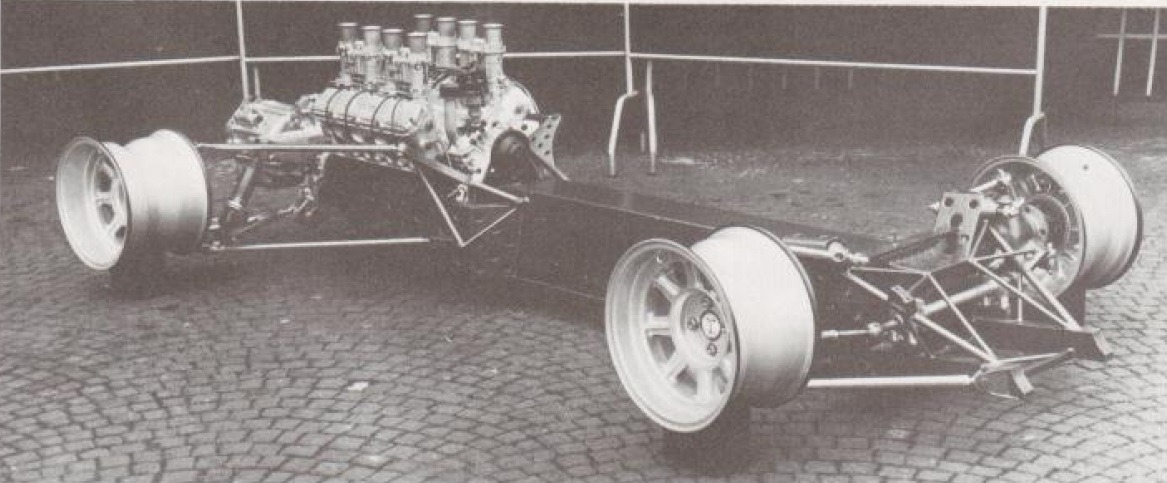
A series of problems caused Shelby to withdraw from the P70 project, and Shelby shifted his attention to the Ford GT40 and the campaign to beat Ferrari at the 24 Hours Le Mans.
This left Alejandro de Tomaso with a well advanced project with nowhere to go: but he was imaginative and saw the potential to use the P70 as the foundation of a GT car of his own. He was going to build a car that would eat Shelby’s for breakfast, and he named it after the snake killing mongoose, the “Mangusta” in Italian.
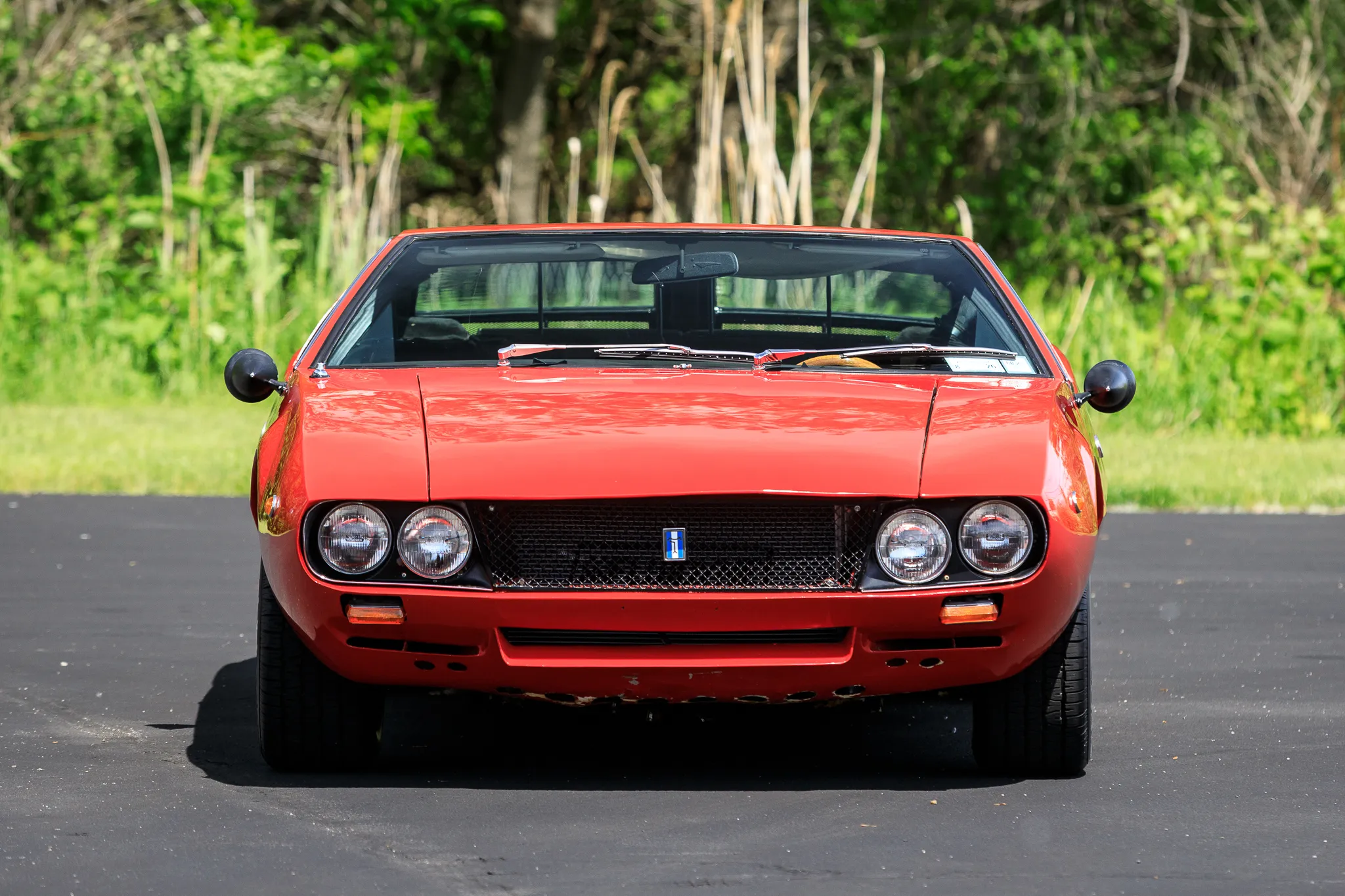
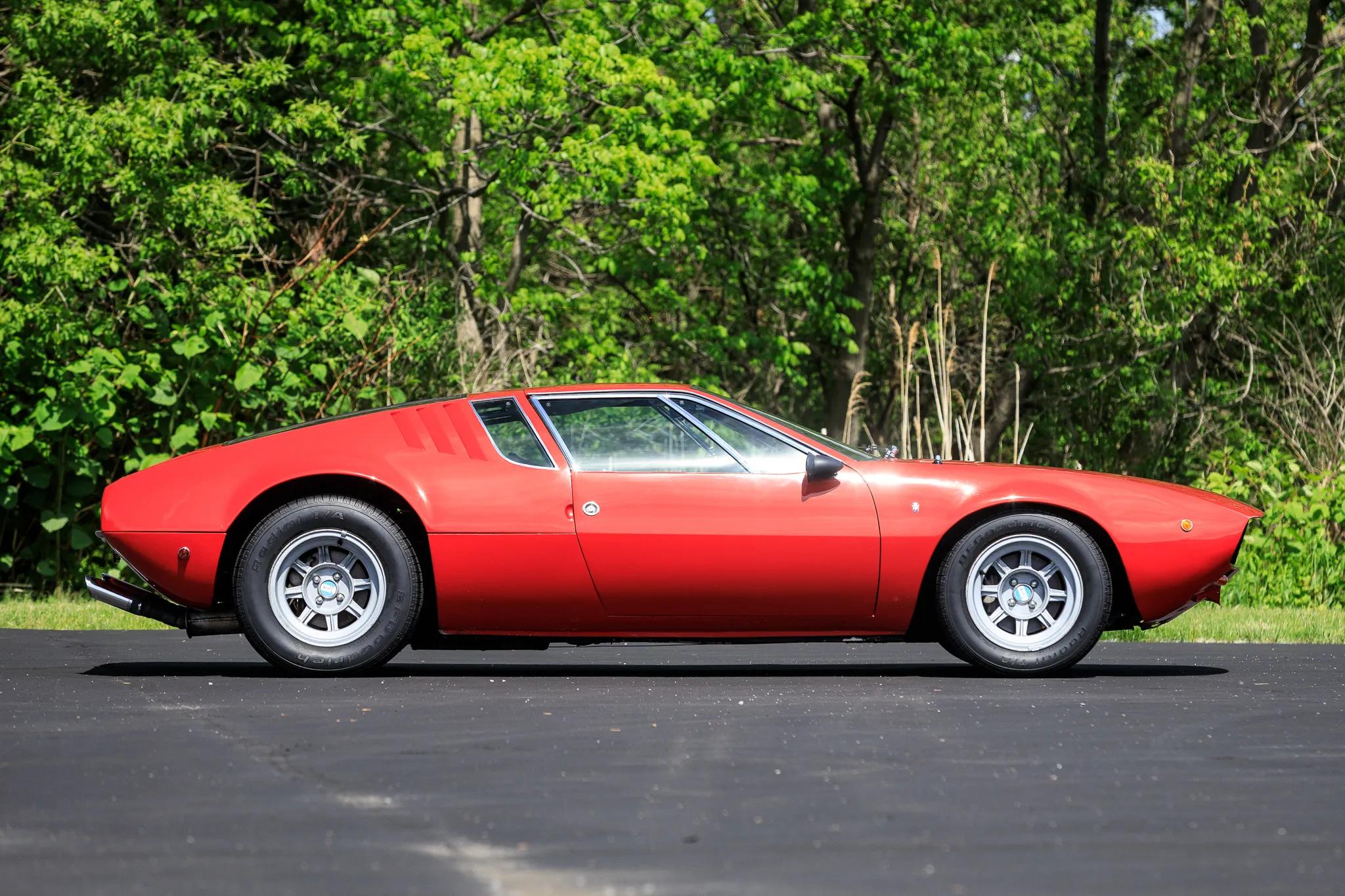
De Tomaso commissioned Giorgetto Giugiaro to design a new GT body for his modified P70 chassis and Giugiaro excelled himself creating a design that has proved to be a head turner over all the decades since that design first appeared.
Giugiaro had moved over to work for Ghia in 1965 and around that time his designs took on the “folded paper” character that was to become a hallmark of much of his later designs. His design for the De Tomaso Mangusta was to be one of the first of these, with later examples to include the jaw-dropping Maserati Boomerang and, famously, the DMC DeLorean.
But the Mangusta was a trailblazer for Giugiaro, and it established his design insight worldwide.
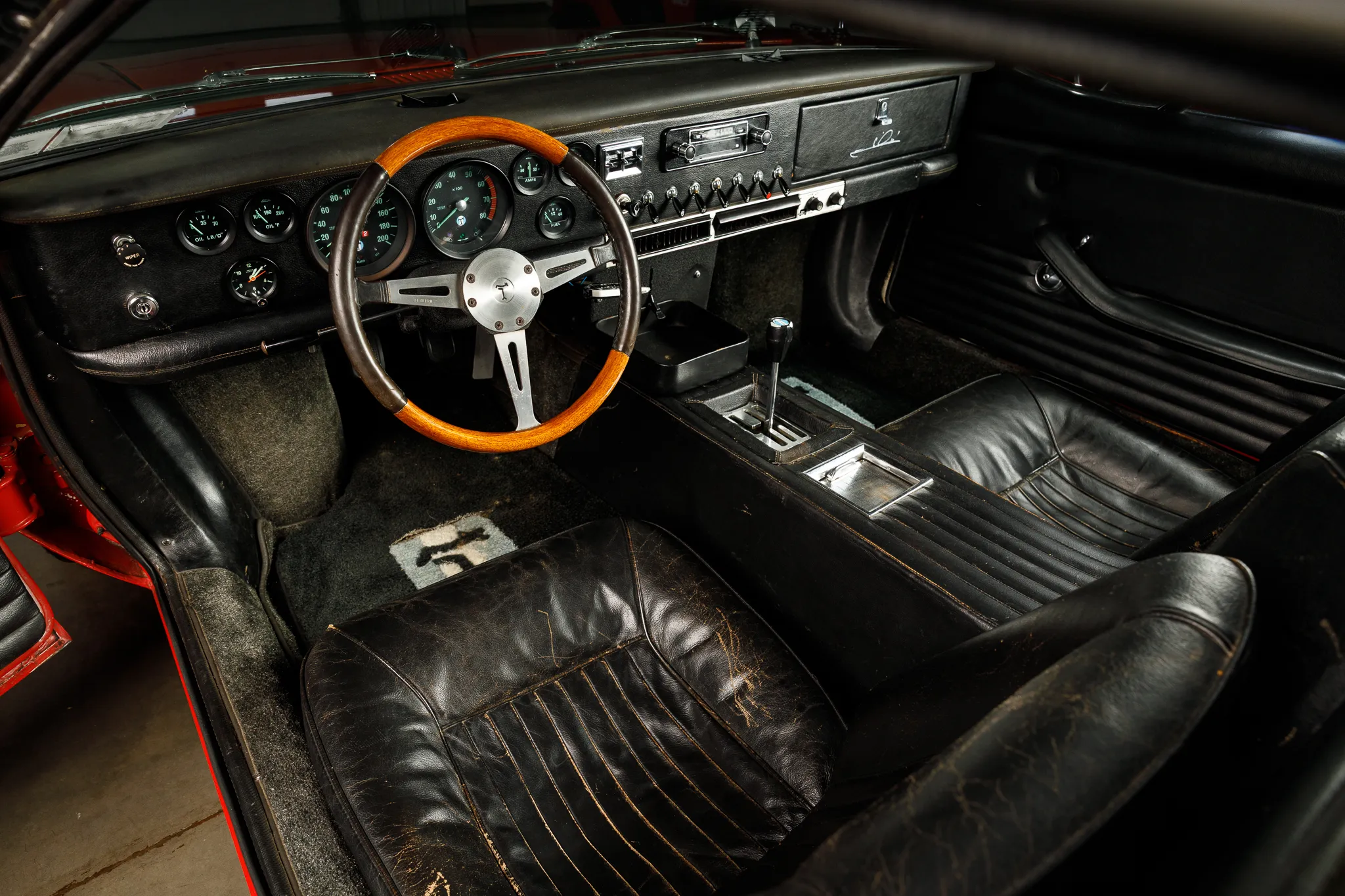
The Mangusta was, as one would expect, a re-designed race car made into a comfortable road going GT. But it was not raw and primitive, although it had a near spartan aesthetic about it. But Alejandro de Tomaso invested a great deal of effort and expertise in optimizing everything about the design to make it fully practical. Luggage space was as good as a contemporary Chevrolet Corvette, driver and passenger comfort were sports car acceptable, unless you were rather taller than six feet in which case you would find your head touching the roof lining.
The car made its debut at the 1966 Turin Motor Show and, with the assurance of its being a car many expressed serious interest in, entered production in 1967. It would remain in production for four years and a total of 401 were made: 150 for the European market, and the remainder for the United States.
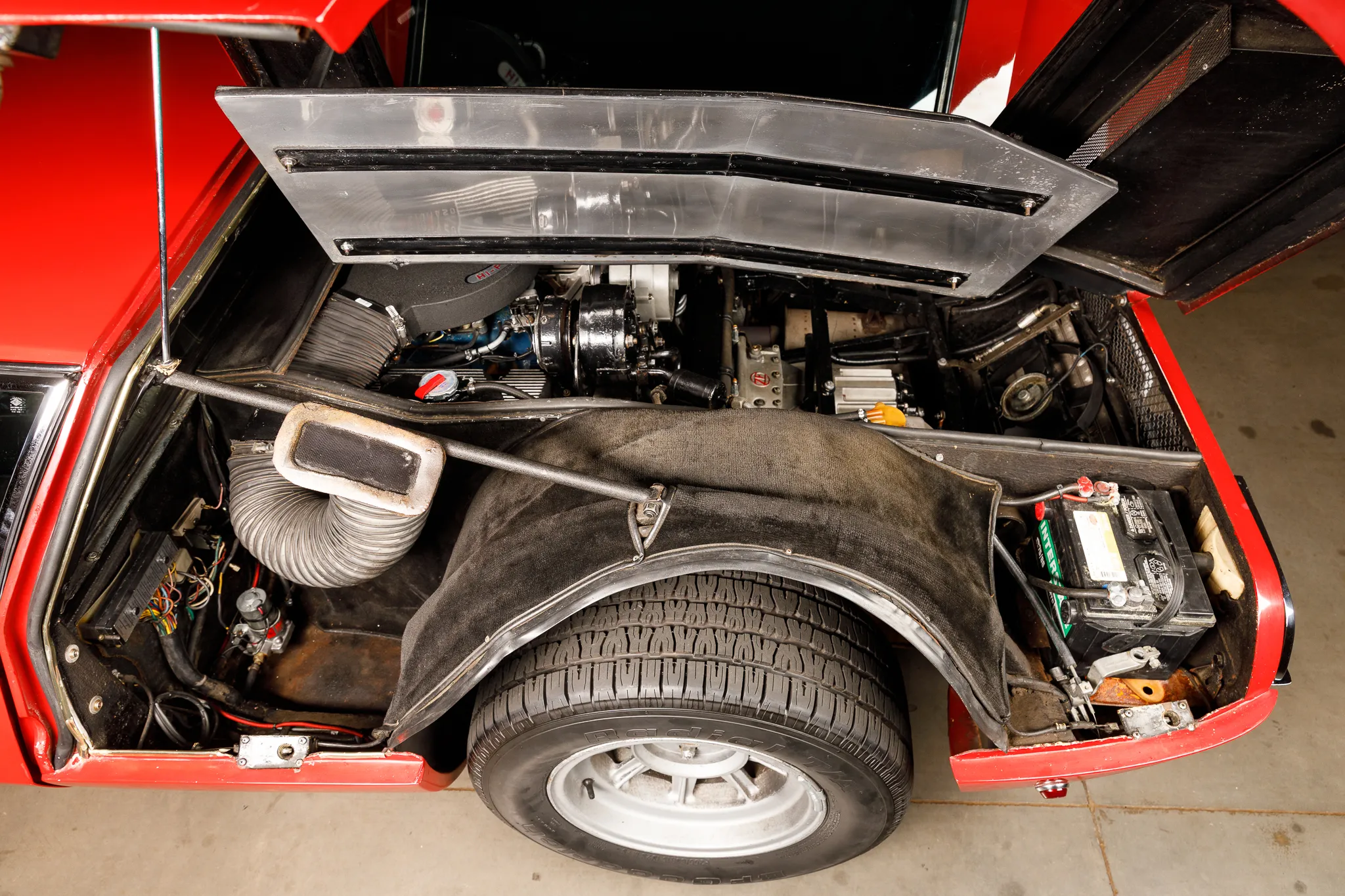
While early cars are believed to have been fitted with Ford 4,728 cc HiPo 289 engine (HiPo standing for High Power) the vast majority of production cars were fitted with 4,942 cc Ford 302 power plants.
The gearbox was a gated ZF 5 speed transaxle with limited slip differential. Steering was by rack and pinion, suspension was independent all around and braking was by power assisted disc brakes all around.
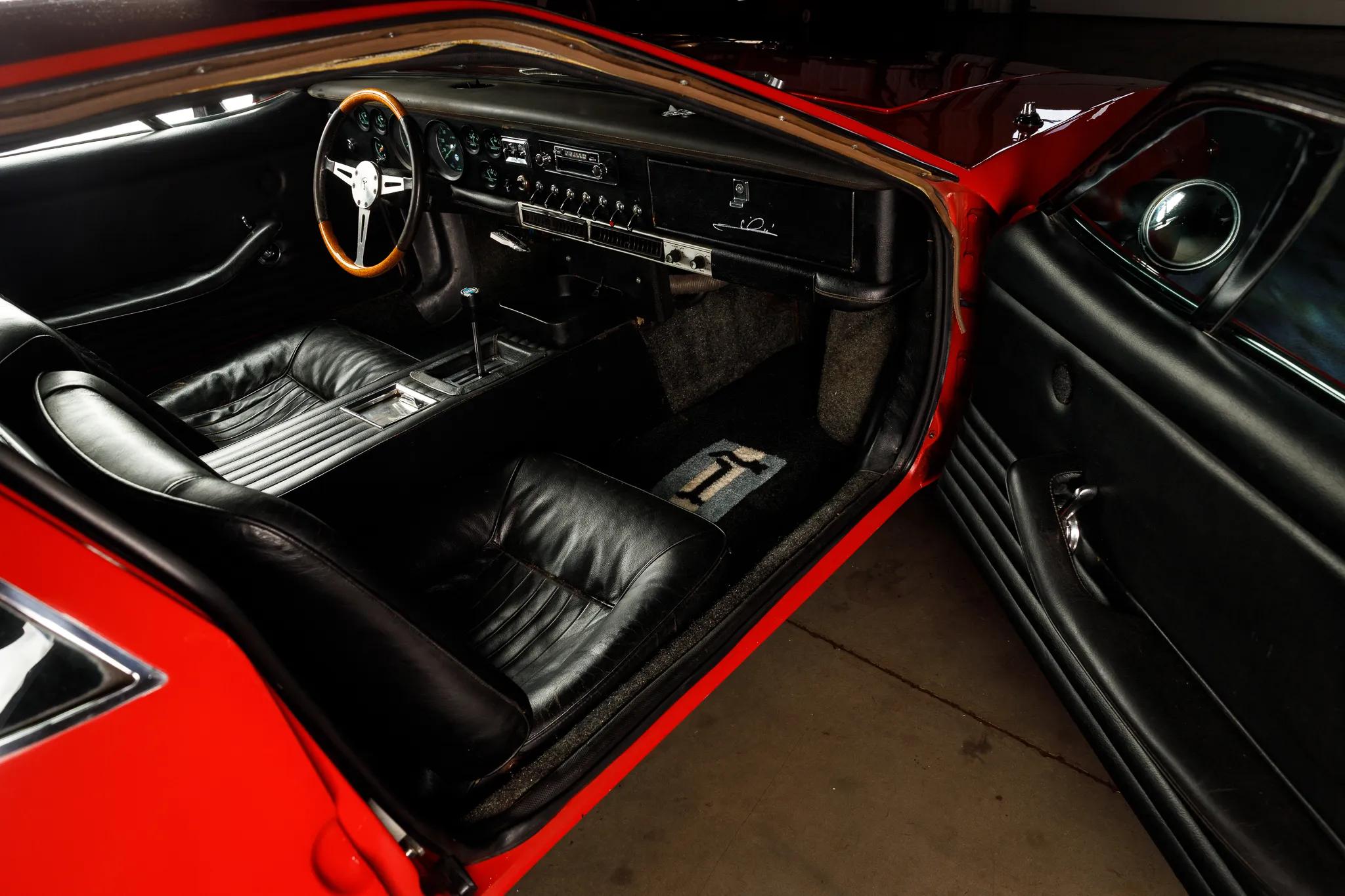
The interior was trimmed with leather and both electric windows and air-conditioning were standard.
De Tomaso was careful to provide a fairly upright driving position which many, myself included, tend to prefer. This also helped with driver/passenger access. De Tomaso’s design did not require substantial scuttles as it gained its structural stiffness from its backbone chassis, and this made for ease of access also.
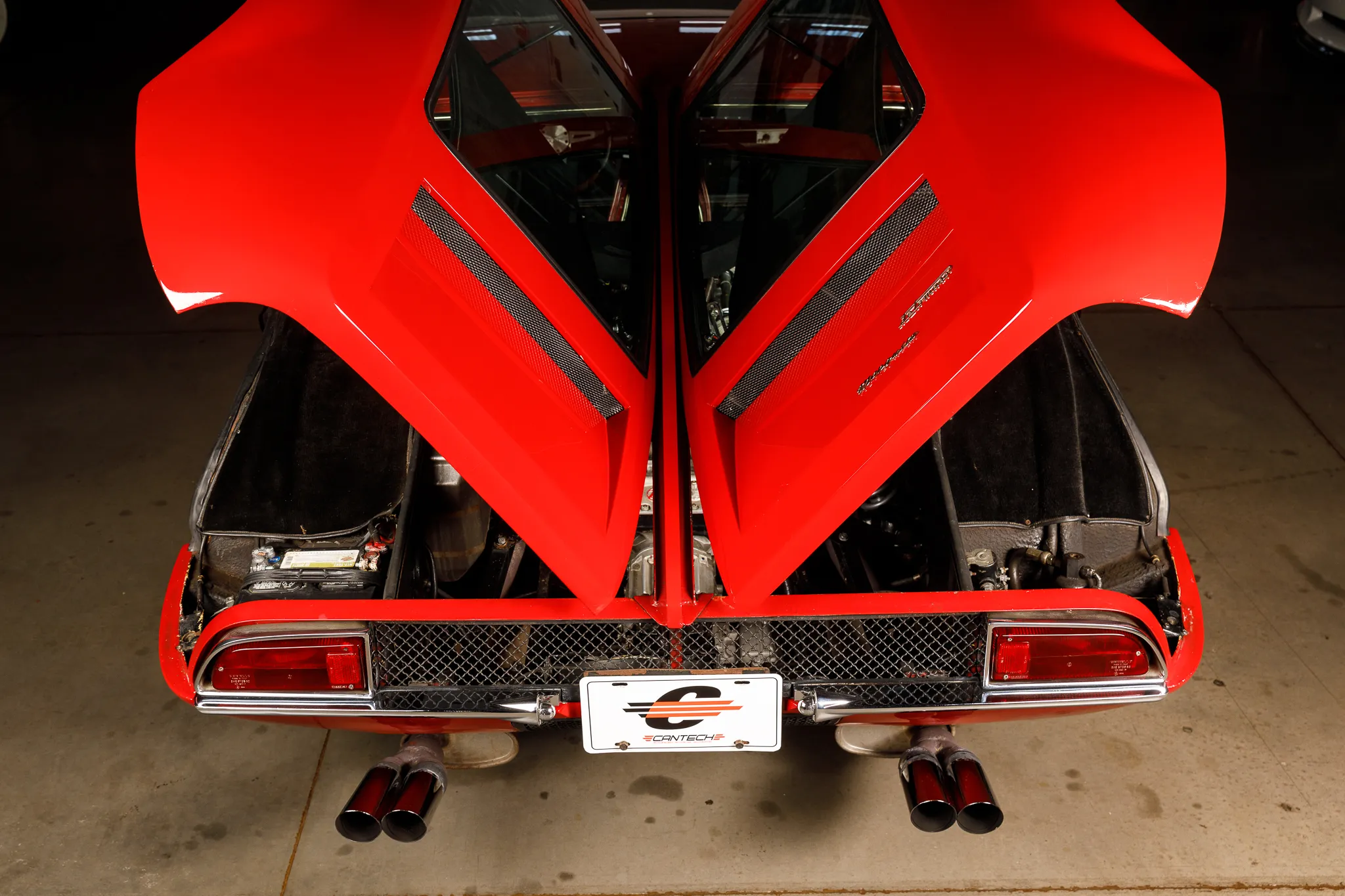
The Mangusta was to become one of the most famous GT cars of the 1960s and remains one of the most desirable to the present day.
A 1968 De Tomaso Mangusta For Sale
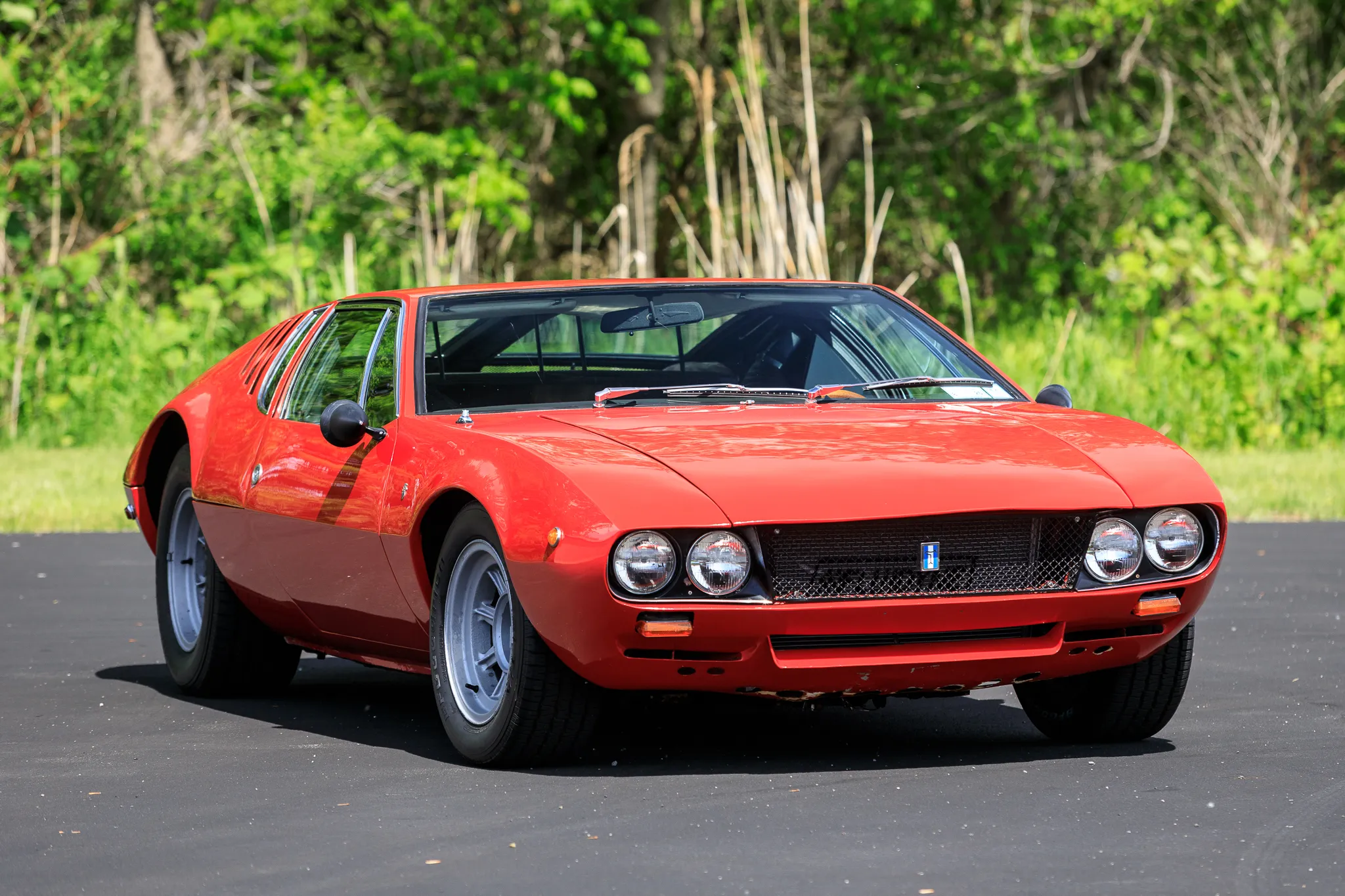
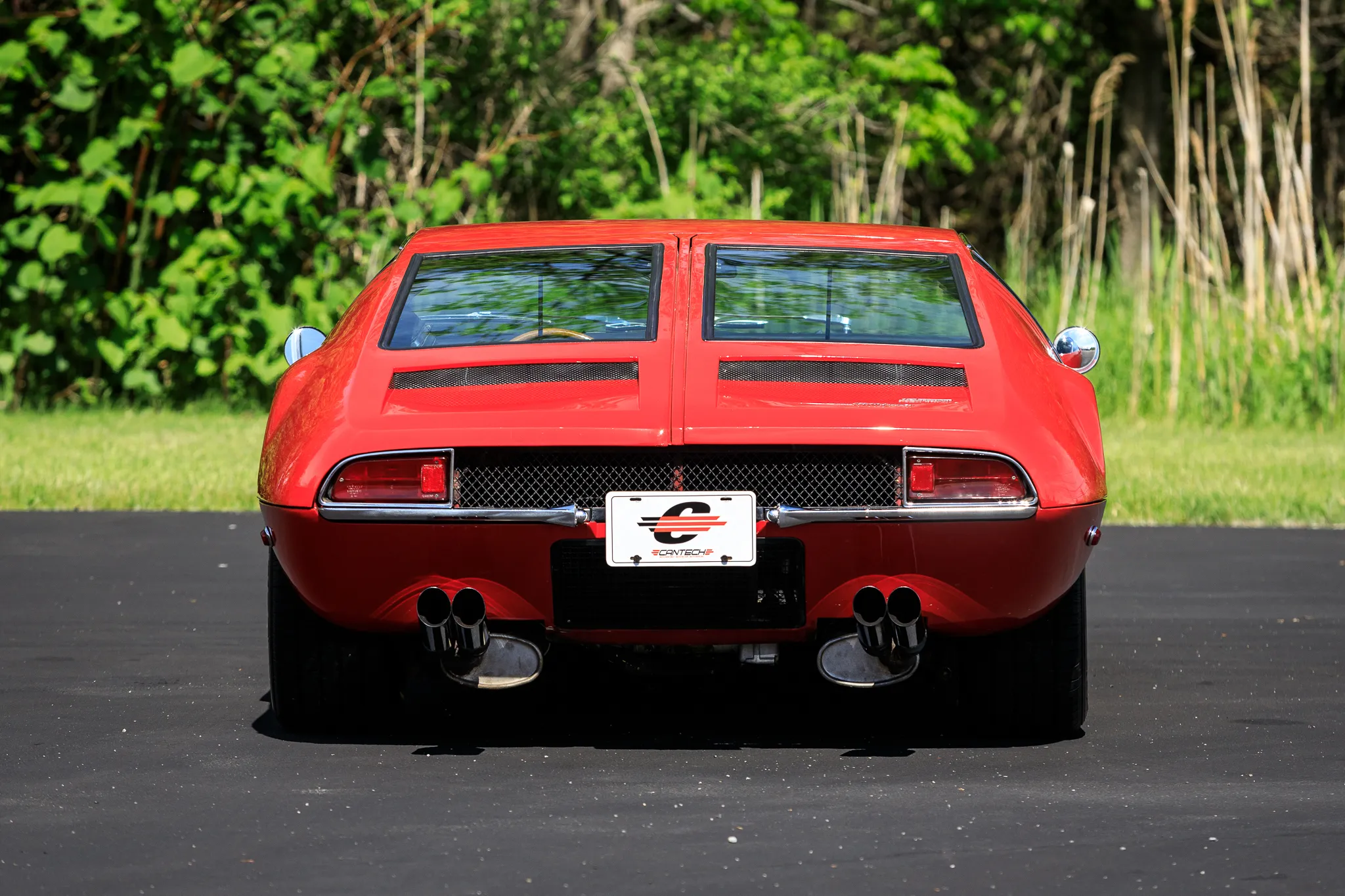
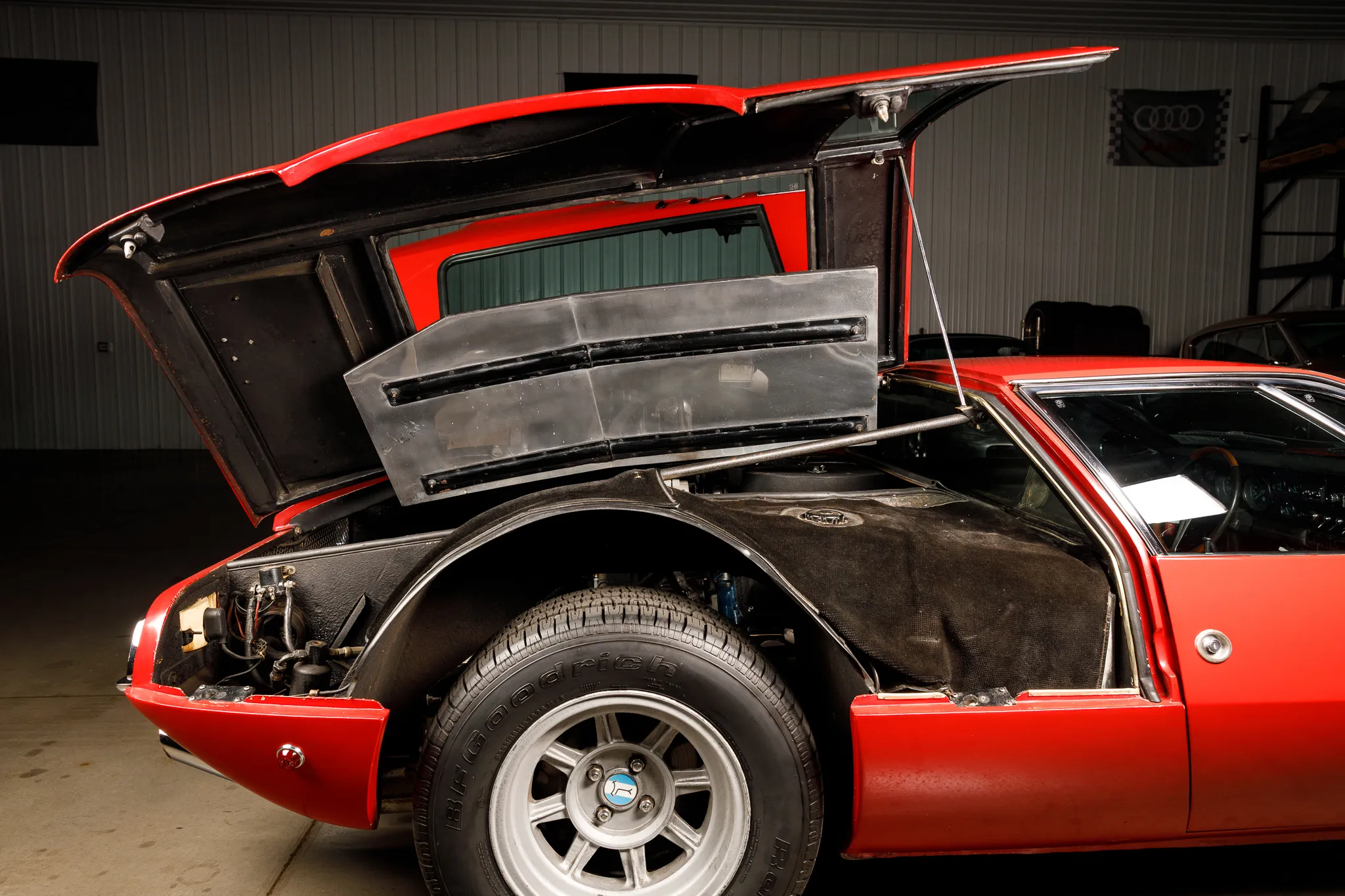
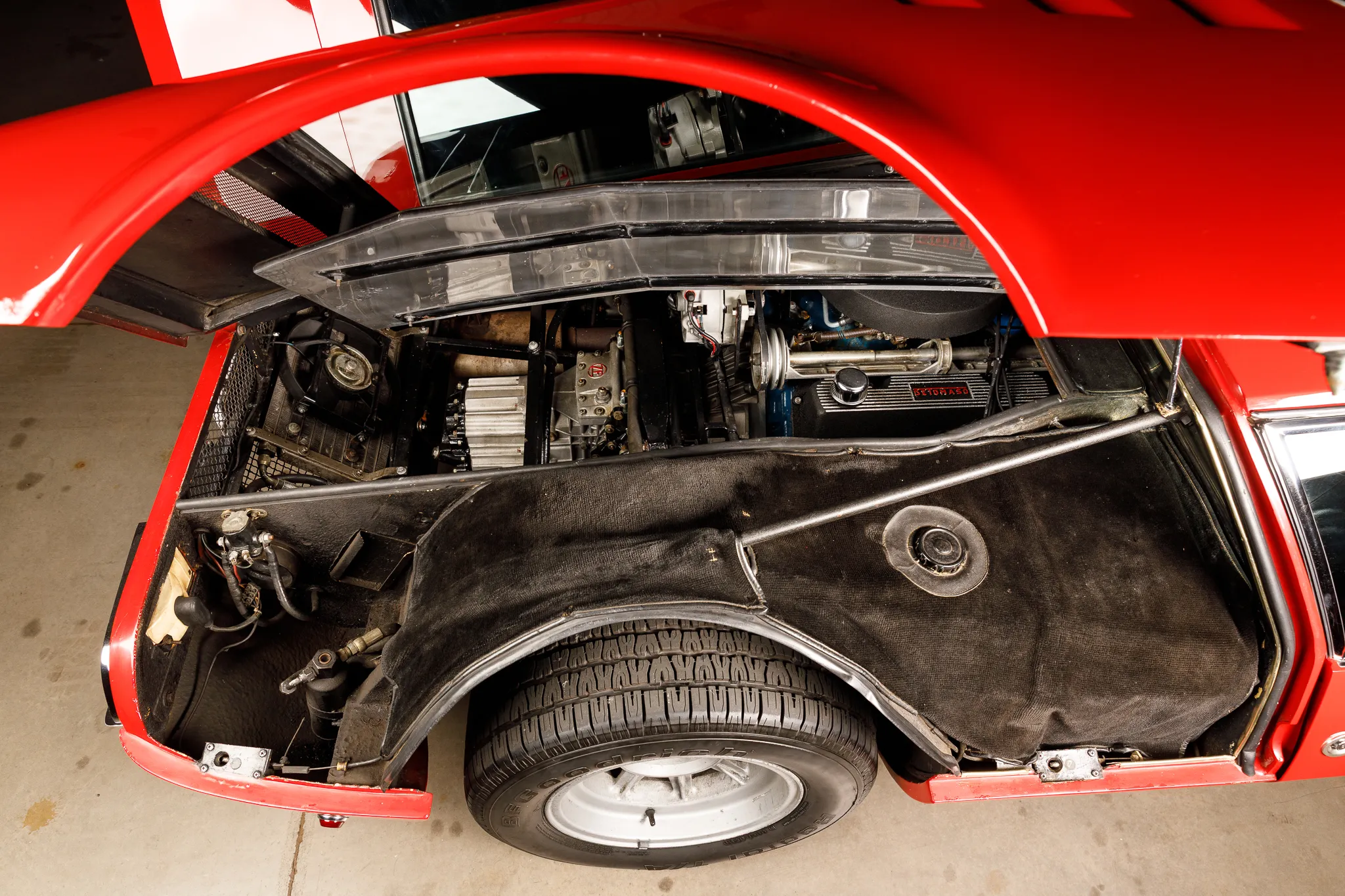
A 1968 De Tomaso Mangusta is for sale on Bring a Trailer at time of publication. This car has been in storage for thirty years from 1989. It underwent recommissioning between 2020-2022 before being sold to its current owner.
The original engine has been replaced with a 351 cu. in. Ford V8 breathing via a four barrel Holley carburetor, and sends its power to the rear wheels via a ZF 5 speed transmission.
The car offered for sale is in need of some repair work, and this is detailed in the description on the sale page.
You will find the sale page for this car on Bring a Trailer if you click here.
These are not common cars, and if you are looking for a Mangusta then this one may be something you could be interested in.
Picture Credits: All pictures of the sale car courtesy Bring a Trailer. The picture of the Mangusta chassis is in the public domain and is courtesy Wikipedia.
Jon Branch is the founder and senior editor of Revivaler and has written a significant number of articles for various publications including official Buying Guides for eBay, classic car articles for Hagerty, magazine articles for both the Australian Shooters Journal and the Australian Shooter, and he’s a long time contributor to Silodrome.
Jon has done radio, television, magazine and newspaper interviews on various issues, and has traveled extensively, having lived in Britain, Australia, China and Hong Kong. His travels have taken him to Indonesia, Israel, Italy, Japan and a number of other countries. He has studied the Japanese sword arts and has a long history of involvement in the shooting sports, which has included authoring submissions to government on various firearms related issues and assisting in the design and establishment of shooting ranges.